Israel Celebrates Passover Amidst Iranian Attacks
Israel is observing Passover amidst ongoing Iranian attacks, with celebrations marred by air raid alerts and the need for bomb shelters. Many Israelis are experiencing a somber holiday, a stark contrast to usual festive gatherings, as rocket fire from Iran and Yemen continues to disrupt daily life and cause displacement.


Passover Celebrations Marred by Conflict
Israel is observing the Jewish festival of Passover, a time typically filled with family gatherings and reflection. However, this year’s celebration is overshadowed by ongoing conflict, with Iran continuing its attacks.
Many Israelis are marking the holiday under the shadow of potential missile strikes, with some forced to celebrate in makeshift bomb shelters. The festive mood usually associated with Passover has been replaced by a somber atmosphere, as citizens remain on alert for air raid sirens.
The first day of Passover in Tel Aviv, usually a bustling scene with people enjoying the beach promenade and crowded streets, was notably subdued. Residents who ventured out appeared to be doing so with caution, prioritizing proximity to shelters. This stark contrast to traditional celebrations highlights the pervasive impact of the ongoing conflict on daily life and cultural observances.
Seder Night Disrupted by Alerts
The Passover Seder, a central ritual meal commemorating the exodus from Egypt, was significantly disrupted for many in Israel. Reports indicate that some families experienced numerous rocket alerts throughout the evening and into the night. This constant threat forced individuals to move between their homes and shelters repeatedly, interrupting the solemnity and tradition of the Seder.
Experiencing seven to eight alerts on their phones during one of the most significant Jewish holidays undoubtedly added a layer of stress and fear. This disruption is particularly poignant as Passover marks a time of freedom and remembrance, now juxtaposed with the realities of war and insecurity.
Widespread Rocket Attacks and Missile Fire
The Israeli military has reported waves of rocket attacks from Iran over the past 24 hours. In addition to these, a missile fired from Yemen towards Israeli territory was detected, marking the fourth such incident during the current conflict. While Jerusalem, where reporter Emily Gordin is based, is not typically the primary target of these barrages, the sound of interceptions and the potential for falling shrapnel are constant reminders of the danger.
The impact of these attacks varies across the country. Central Israel, in particular, has faced devastating direct strikes. One such incident in a location called B’er Sheva resulted in fatalities and widespread destruction, leaving thousands homeless.
The Human Cost of Conflict
The ongoing war comes at a significant human cost. An estimated four to five thousand people in Israel have been displaced and are currently homeless due to the damage caused by the conflict. This statistic highlights the devastating impact on communities and individuals who have lost their homes and possessions.
While the majority of Israelis view Iran as an existential threat and support the current military actions, there is a growing awareness of the war’s toll. The prolonged nature of the conflict is straining public patience and affecting daily routines. Many parents are struggling to balance online schooling for their children with the need to constantly seek shelter during alerts, creating a taxing and stressful environment.
Broader Implications and Public Sentiment
The current situation reflects a complex interplay between national security concerns and the daily realities of war. The perceived existential threat from Iran justifies the military response for many Israelis, yet the sustained conflict is leading to increased frustration. The normalization of seeking shelter during holiday periods is a stark indicator of the psychological impact of constant threat.
The blend of religious observance and wartime conditions presents a unique challenge for Israelis. The resilience and determination to maintain traditions, even in difficult circumstances, are evident. However, the underlying anxiety and the disruption to normal life are undeniable aspects of the current period.
Looking Ahead
As Passover continues, the focus remains on the ongoing security situation and the well-being of citizens. The international community continues to monitor the escalating tensions in the region. The coming days will likely see continued military activity and further assessments of the conflict’s impact on both Israel and the wider Middle East.
The next steps in diplomatic efforts and military operations will be crucial in shaping the future trajectory of this conflict. Public sentiment within Israel will also be a key factor to watch as the war progresses and its effects continue to be felt.
Source: How Israelis celebrate Passover amid the Iran war | DW News (YouTube)

Related Articles


Dubai Economy Faces Shocks Amid Regional Conflict
Dubai's economy is facing significant tests as regional conflict and drone attacks disrupt key sectors. Property values have fallen, tourism has collapsed, and the retail and digital sectors are under pressure. While the UAE has underlying strengths, future investor confidence remains a critical question.

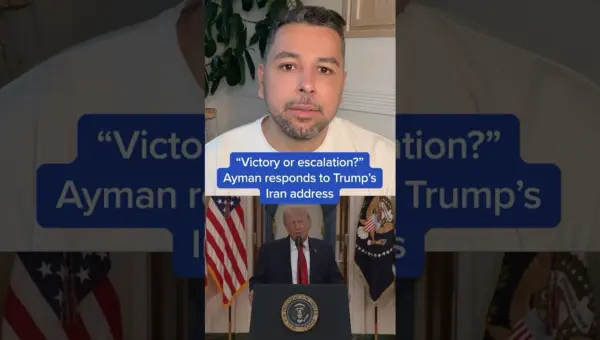
Trump’s Iran Speech: Victory Declared, But War Looms
President Donald Trump declared victory over Iran, claiming the nation's military was weakened. However, his speech also hinted at further strikes, leading many analysts to question the narrative of victory and express concerns about potential escalation. Journalist Ayman Mohyeldin highlighted the contradiction between Trump's claims and his intentions for future military action.


Trump’s Foreign Policy Lacks Clear Doctrine, Analysts Say
Analysts argue that the U.S. foreign policy under President Trump lacks a consistent doctrine, with actions driven more by personal interests than a strategic plan. This absence of a clear guiding principle creates global uncertainty and challenges the existing world order.