Trump’s Drapes Distract from Deadly Iran Conflict
Presidential priorities appear to be dangerously skewed, with a focus on trivial matters like drapes overshadowing the deadly consequences of military actions in Iran. This analysis delves into the perceived chaos and lack of accountability in recent foreign policy decisions.

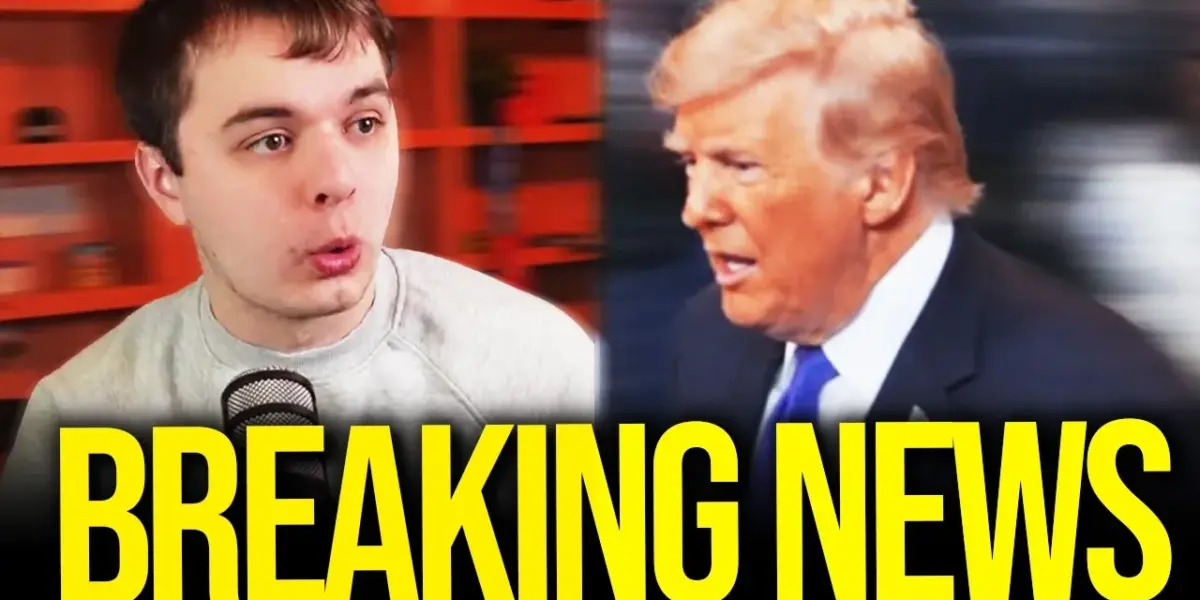
A Nation Distracted: The Perilous Gaze of Presidential Priorities
The persistent hum of chaos has become an almost unbearable soundtrack to modern political discourse. In an era saturated with information and yet starved for clarity, the ability of leaders to command attention through substantive policy or decisive action seems to be waning, replaced by a bewildering spectacle of distraction.
This is the unsettling reality articulated by a growing chorus of observers, who find themselves not just frustrated, but deeply concerned by what they perceive as a callous disregard for human life, overshadowed by the trivialities of presidential ego. The recent escalation of conflict with Iran, and the administration’s response, is a stark, and frankly, alarming case study in this phenomenon.
At the heart of this critique lies a profound weariness with what is being termed “the chaos” – a state of perpetual crisis, punctuated by what appear to be deliberate misdirections and a fundamental disconnect between the gravity of events and the pronouncements of those in power. The specter of mass death, whether through military action or the erosion of essential services, is being met not with solemnity and accountability, but with what feels like a practiced desensitization, a deliberate effort to downplay the human cost.
The Specter of War and the Spectacle of Drapes
The recent conflict with Iran, initiated by joint strikes involving the United States and Israel, has ignited a firestorm of criticism. The retaliation from Iran has predictably sparked a wider regional conflict, yet the focus of President Donald Trump’s public address following these events was not on the lives lost or the geopolitical ramifications.
Instead, the transcript reveals a bewildering pivot to the aesthetics of the White House itself, with the President reportedly discussing the installation of drapes and the construction of a ballroom. This seemingly surreal juxtaposition – addressing a war he initiated while preoccupied with interior decorating – has been labeled “impeachment worthy” by some, highlighting a perceived abdication of presidential duty at a critical juncture.
The human toll is undeniable and deeply concerning. The transcript points to the deaths of over 100 Iranian children as a direct consequence of U.S. And Israeli strikes.
This is compounded by the deaths of American service members, met with the chilling statement that “there are more to come” – a stark acknowledgment of the human cost of a war seemingly initiated without clear justification or a robust contingency plan. The assertion that these deaths are merely “the cost” of a war the administration itself started is particularly galling to critics.
Undermining Diplomacy, Escalating Conflict
A significant point of contention is the administration’s withdrawal from the Joint Comprehensive Plan of Action (JCPOA), the Iran nuclear deal negotiated under the Obama administration. Critics argue that this deal provided a framework for minimizing Iran’s nuclear capacity under international oversight.
By unilaterally dismantling it, the argument goes, Trump and his allies have removed a crucial diplomatic tool, enabling the very conflict now unfolding. The narrative presented by the administration – that the strikes were a necessary response to Iran’s pursuit of nuclear weapons – is directly challenged by those who point to the existence of the JCPOA as evidence that a non-military path was available and, arguably, more effective.
The language used to describe political opponents, such as referring to former President Obama as “Barack Hussein Obama,” is seen as a deliberate attempt to sow division and associate him with adversarial regimes, further muddying the waters and detracting from the substance of policy. This rhetorical strategy, critics argue, is part of a broader pattern of obfuscation that prioritizes political maneuvering over factual discourse.
The Ripple Effect: Radicalization and Domestic Chaos
The consequences of this volatile foreign policy are not confined to international theaters. The transcript highlights the disturbing connection between ongoing conflicts and domestic radicalization. The mass shooting in Austin, Texas, is cited as an example of an individual allegedly driven to violence by the pervasive atmosphere of war and radicalized through online exposure to pro-war rhetoric and “MAGA accounts.” This suggests a dangerous feedback loop where international conflict fuels domestic instability, creating a more chaotic and dangerous environment for all.
A Pattern of Distraction and Disregard
The criticism extends beyond the Iran conflict to a broader pattern of what is perceived as presidential distraction and a lack of accountability. The transcript references other crises – tariffs, Russia, Venezuela, the Epstein case – and the administration’s perceived drift from one emergency to the next without consistent, clear explanations. The juxtaposition of addressing the deaths of service members with rambling about ballroom renovations underscores a profound concern about the administration’s priorities and its ability to engage with the public in a meaningful, transparent manner.
The transcript also points to a disturbing trend in military action. Citing Bill Crystal, it’s noted that President Trump has ordered more military strikes against more countries than any president in modern history, earning him the label of a “warmonger neocon.” The sheer volume of air strikes authorized under his tenure, exceeding those of previous administrations, raises serious questions about the long-term implications of such a militaristic approach and whether it truly serves national security interests or perpetuates a cycle of endless conflict.
Why This Matters
This analysis is not merely an academic exercise; it speaks to the fundamental principles of governance and the social contract between the governed and their leaders. When the public is presented with a narrative that prioritizes presidential vanity over human life, and when diplomatic channels are abandoned in favor of military escalation without clear justification, the foundations of trust and stability are eroded.
The desensitization to mass death, whether abroad or at home, is a dangerous precursor to further societal breakdown. The lack of transparency and consistent messaging breeds cynicism and disengagement, making it harder for citizens to make informed decisions and hold their leaders accountable.
Implications, Trends, and Future Outlook
The current trajectory suggests a future where geopolitical instability is increasingly intertwined with domestic social unrest. The ease with which diplomatic agreements are discarded and the willingness to engage in prolonged military engagements without a clear exit strategy point towards a future of perpetual conflict.
The normalization of presidential distraction, where trivial matters overshadow critical policy discussions, risks creating a political environment where substance is consistently sacrificed for spectacle. This trend is particularly concerning as it can lead to a populace that is both disengaged and susceptible to misinformation.
The historical context of U.S. Foreign policy is replete with examples of interventions that have had unforeseen and often devastating consequences. The current situation with Iran, viewed through the lens of past conflicts, raises alarms about the potential for further quagmires and the perpetuation of a cycle of violence. The dismantling of diplomatic frameworks, such as the Iran nuclear deal, represents a departure from a more nuanced approach to international relations, favoring a more confrontational posture that carries immense risks.
Ultimately, the critique boils down to a desperate plea for clarity, accountability, and a return to a foreign policy guided by rational self-interest and a respect for human dignity. The “chaos” is not merely a byproduct of events; it is, in the view of many, a manufactured environment designed to obscure a lack of coherent strategy and a disturbing indifference to the profound human consequences of political decisions. The demand is for leaders who will engage with the public honestly, prioritize diplomacy, and demonstrate a genuine commitment to minimizing loss of life, rather than becoming sidetracked by the superficialities of power.
Source: I'm sick of the chaos. (YouTube)

Related Articles
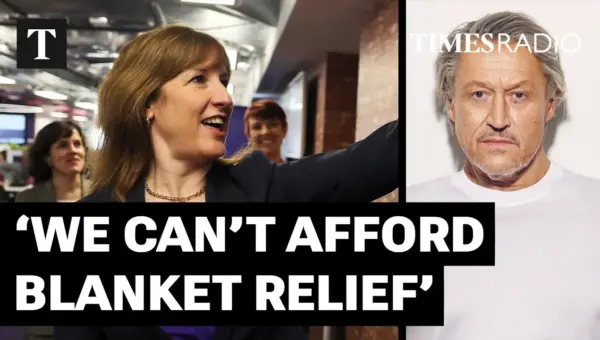
Reeves Targets Energy Aid, Trump’s ‘Gift’ Fuels Speculation
UK Chancellor Rachel Reeves is shifting energy support to focus on benefit recipients, a move praised by some for fiscal responsibility but questioned for its bluntness. Meanwhile, Donald Trump's vague claims of a "gift" from Iran have sparked speculation about potential de-escalation or market manipulation. Separately, Labour's Angela Rayner criticizes the party's current strategy, drawing parallels to past electoral defeats and positioning herself for future leadership.
Senator Slams Democrats Over Trump Opposition Tactics
A senator has strongly criticized Democratic senators, accusing them of being overly focused on opposing President Trump. The senator believes this strategy is making Democrats look foolish and weakening their political standing. This political commentary highlights potential voter alienation and its implications for future policy.
Trump Claims Iran Sent ‘Huge Present’ Amid Talks
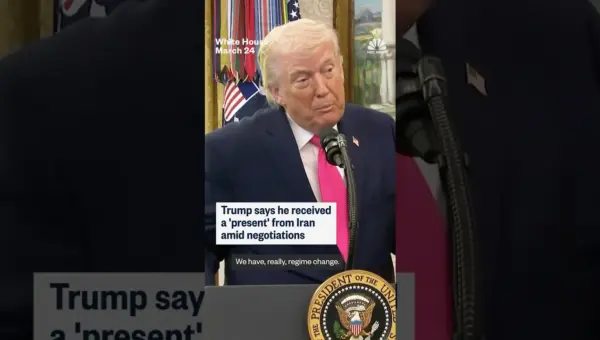
Former President Donald Trump announced Iran sent a "very big present" worth "tremendous" value, described as oil and gas related, not nuclear. He stated the gift signaled he was "dealing with the right people" amid ongoing negotiations.