Trump’s ‘Epic Fury’: Iran Strike Upends Global Order
Operation Epic Fury, a bold US-led strike on Iran's leadership, has ignited global concerns. Analyzing the operation's strategic aims, divergent international objectives, and its potential to reshape the global order, this piece delves into the implications of a world where international law is increasingly sidelined.

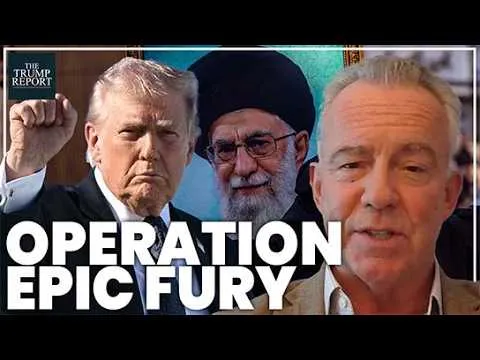
Trump’s ‘Epic Fury’: Iran Strike Upends Global Order
The recent “Operation Epic Fury,” a meticulously planned military action targeting Iran’s leadership, has sent shockwaves through the international community. While the operation’s success in neutralizing key figures within the Iranian regime is undeniable, its broader implications for global security, international law, and the future of geopolitical alliances are profound and, as yet, largely unwritten.
The Genesis of Operation Epic Fury
The operation, as detailed by retired Air Vice Marshal Sean Bell, appears to have been born from a complex interplay of perceived Iranian nuclear ambitions and a strategic decision by the Trump administration to preemptively neutralize the threat. Despite years of diplomatic overtures and negotiations, the assessment from the US side was that Iran possessed highly enriched uranium far beyond what was needed for civilian programs, indicating a clear ambition for nuclear weapons. Trump’s stance was unequivocal: this could not be allowed to happen.
Bell highlights that the planning for such an operation likely spanned a considerable period, with previous intelligence efforts like “Operation Midnight Hammer” suggesting a long-term strategy. The timing of the strikes, notably occurring during daylight hours rather than the conventional nighttime surprise, suggests a window of opportunity seized by Israel, leveraging exceptional intelligence to identify key leadership figures. This tactical decision, while perhaps unconventional, appears to have been instrumental in decapitating the Iranian leadership on the first day of the operation.
Divergent Objectives and Escalating Tensions
A critical element emerging from the analysis is the potential divergence between US and Israeli objectives. While Trump’s rhetoric hinted at regime change, Bell questions the efficacy of achieving this through purely military means, citing historical precedents in Libya and Iraq.
Israel, however, appears to view this as a “once-in-a-lifetime opportunity” to permanently neutralize the threat posed by Iran. This divergence is further evidenced by Israel’s Defense Minister warning Hezbollah’s chief of being the next target, suggesting a broader regional agenda that might not be fully aligned with US immediate goals.
The ripple effects of the operation have already been felt, with retaliatory strikes reported in various locations. The analysis points to a concerning trend of the US seemingly distancing itself from international law, with actions in Venezuela and now Iran taken without explicit UN authorization. This, the argument goes, sets a dangerous precedent, potentially emboldening other nations like China and Russia to disregard international norms, leaving smaller nations vulnerable to the dictates of major powers.
The Nuclear Question and Intelligence Capabilities
The central justification for the operation, Iran’s nuclear program, remains a point of contention. While intelligence assessments, particularly from Israel, indicated Iran was nearing nuclear weapon capability, some US political figures have expressed skepticism.
Bell argues that the inherent nature of nuclear deterrence means a nation like Iran might see nuclear weapons as the ultimate guarantor of its security, regardless of international pressure. The intelligence capabilities demonstrated by the US and Israel in identifying and targeting Iran’s Supreme Leader are described as extraordinary, suggesting a deep level of infiltration and surveillance built over years.
“Once you now take that to a different level, which America has, not only eyes, ears, but the electromagnetic spectrum, you can do all sorts of things… There’s no doubt that over time, as Israel demonstrated with Hezbollah…
It was only by actually embedding themselves in breeding a sense of confidence… But actually you’re tracking them all the time.”
Economic and Strategic Fallout
The financial cost of such an operation is immense, with initial estimates of $30 million per day potentially being conservative. However, the economic impact extends beyond direct military expenditure.
The spike in oil prices has immediate global ramifications, potentially benefiting nations like Russia by strengthening their economies and enabling sustained conflict, as seen in Ukraine. This highlights the intricate web of unintended consequences that military actions can trigger.
Bell expresses skepticism about any stated timeline for the conflict’s resolution, particularly any notion of a swift regime change achieved solely through air power. The resilience of entities like the IRGC, with over a million personnel, poses a significant challenge. The risk of escalation, including potential Iranian missile strikes and the increased use of proxies, remains a serious concern, with implications reaching even as far as the UK, which currently lacks defenses against ballistic missiles.
A Shifting Global Order
The operation’s impact on the international rules-based order is perhaps its most significant long-term consequence. With Russia’s actions in Ukraine and the US’s unilateral actions, the established framework for international security is being eroded.
This raises critical questions about the future of global governance, particularly for nations not considered major powers. The potential withdrawal or reduced commitment of the US from traditional security alliances like NATO also leaves European nations facing the daunting prospect of strengthening their own defenses and forging new security architectures.
Why This Matters
Operation Epic Fury represents a critical juncture in international relations. It highlights the persistent challenge of nuclear proliferation, the complex dynamics of Middle Eastern geopolitics, and the evolving nature of global power. The perceived disregard for international law by major powers could usher in a time of increased instability, where might makes right.
For nations not at the table, the consequences could be dire, as they risk becoming mere pawns in the strategic games of global superpowers. The operation also forces a re-evaluation of security guarantees, particularly for nations like Ukraine, raising the question of whether nuclear weapons are, indeed, the ultimate deterrent in an increasingly unpredictable world.
Future Outlook
The immediate future likely holds continued volatility. The potential for further escalation, the economic repercussions of sustained conflict, and the redefinition of international security frameworks will dominate geopolitical discussions.
The divergence in objectives between the US and Israel, coupled with the broader implications for alliances and the international legal order, suggests a period of significant flux. The long-term success of Operation Epic Fury will not be measured solely by military outcomes, but by its impact on global stability and the adherence to, or abandonment of, established international norms.
Source: How Trump’s ‘Operation Epic Fury’ tracked & killed Iran’s Supreme Leader | Sean Bell (YouTube)

Related Articles


Bitcoin Plunges Amid Geopolitical Fears, Oil Surges
Bitcoin and major stock indices are experiencing sharp declines amid escalating geopolitical tensions and concerns over rising inflation. While the energy sector is surging, cryptocurrencies are showing significant weakness, with analysts warning of potential further downside for Bitcoin. Market participants are closely watching global events and central bank policy for direction.

Oil Prices Spike After Attacks on Energy Sites
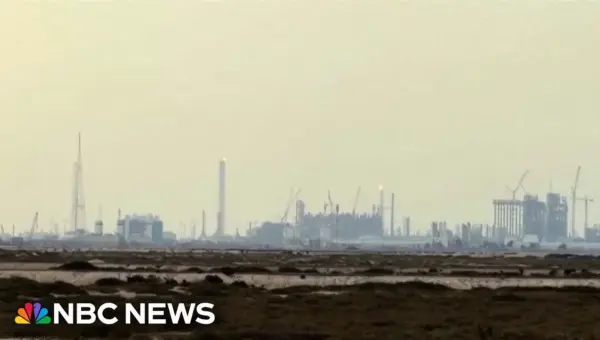
Oil prices surged this week following a wave of U.S. airstrikes in Iran and attacks on energy sites in Qatar. Vice President Vance called the price increases a 'temporary blip,' while intelligence briefings revealed disagreements over the immediacy of the threat from Iran. Military actions targeted missile facilities along the Strait of Hormuz.
Iran’s Military Hit Hard, Analysts Debate Threat Level
Devastating strikes have crippled Iran's missile production and stockpiles, but a debate continues over the country's immediate threat level. Israel is intensifying targeted operations against Iranian leaders, while economic warfare targeting oil exports, like at Kharg Island, is being considered.