US Vows To End Iran Conflict Under Trump
The United States has declared its intention to decisively end the conflict with Iran under President Trump's leadership. The administration frames current military operations as retribution for Iranian aggression, vowing to eliminate missile and naval threats without hesitation.

US Vows To End Iran Conflict Under Trump
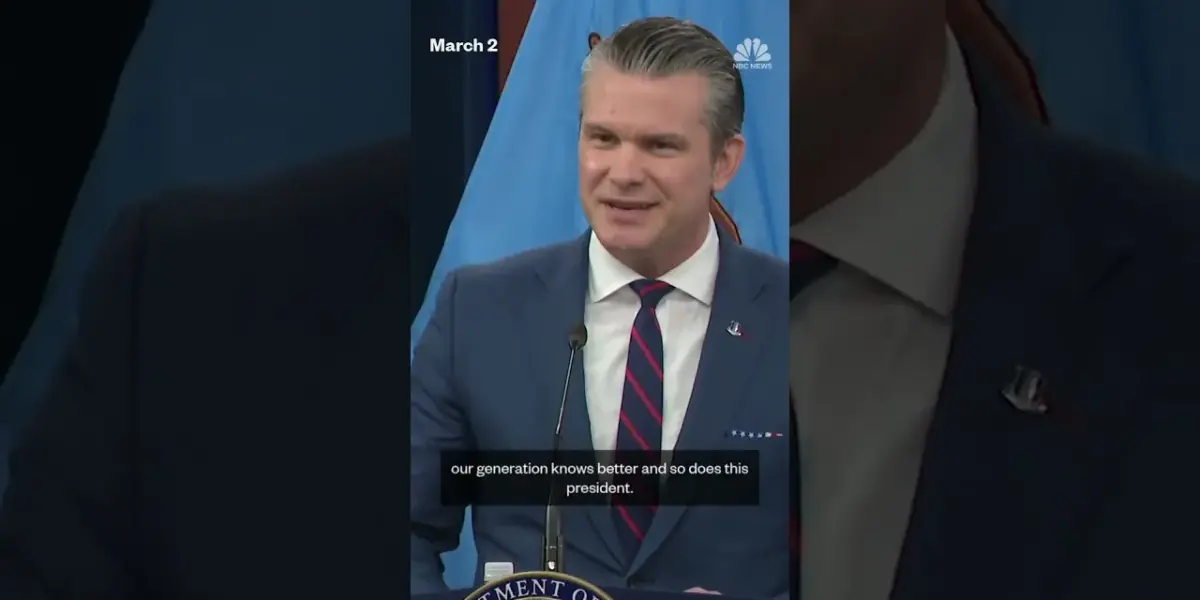
Washington D.C. – The United States, under the leadership of President Donald Trump, has declared a definitive stance on its ongoing conflict with Iran, vowing to conclude hostilities that have targeted American interests. The assertive declaration, made recently, signals a shift from prolonged engagement to a decisive resolution, framing the current actions as retribution for Iran’s alleged aggression against Americans.
A New Retribution Strategy
The administration’s rhetoric frames the conflict not as a war initiated by the U.S., but as a necessary response to Iranian actions. “We didn’t start this war, but under President Trump, we are finishing it,” stated a high-ranking official, articulating the core of the new strategy. This approach casts the military operations as a direct consequence of Iran’s alleged targeting of Americans, describing it as “our retribution against their Ayatollah and his death cult.” The message is unequivocal: any threat to American lives or interests, anywhere in the world, will be met with swift and uncompromising force.
“If you kill Americans, if you threaten Americans anywhere on Earth, we will hunt you down without apology and without hesitation, and we will kill you.”
This statement underscores a commitment to proactive and decisive engagement, departing from what the administration views as protracted and indecisive conflicts of the past. The emphasis is on ending the threat permanently, rather than engaging in drawn-out campaigns.
Distinguishing From Past Conflicts
The current approach is deliberately contrasted with previous military engagements, particularly those in Iraq and Afghanistan. Officials drew a clear line between the current operation and the extended nation-building efforts that characterized the last two decades. “This is not Iraq.
This is not endless,” the official asserted, drawing on personal experience from both conflicts. The sentiment suggests a generational shift in understanding and executing military strategy, with President Trump and the current generation of military leaders possessing a clearer vision for conflict resolution.
The administration has been critical of past policies, with President Trump having previously labeled the preceding 20 years of nation-building wars as “dumb.” The current operation is presented as the antithesis of these efforts, characterized as the “opposite.” This framing aims to reassure the public and allies that the mission is focused, efficient, and has a defined endpoint.
Operation Objectives: Clear and Decisive
The military operation itself is described as having specific, achievable objectives aimed at neutralizing Iran’s perceived threats. The mission is characterized as “a clear, devastating, decisive mission” with the primary goals being to “Destroy the missile threat” and “Destroy the Navy” associated with Iran’s aggressive posture. The objective explicitly excludes the use of nuclear weapons, with the statement clarifying, “No nukes.” This focus on conventional military capabilities signals a strategic intent to degrade Iran’s offensive power without escalating to a nuclear level.
Broader Implications and Future Outlook
The assertive stance taken by the Trump administration carries significant implications for regional stability and international relations. By declaring an intent to “finish” the conflict, the U.S. Signals a willingness to employ substantial military force to achieve its objectives.
This approach could deter further Iranian aggression but also risks escalating tensions in an already volatile region. The emphasis on retribution and decisive action suggests a departure from diplomatic engagement as the primary tool for managing the Iran situation, at least in the immediate term.
The success of this strategy will likely depend on its ability to achieve its stated objectives without triggering a wider regional conflict or unintended consequences. The international community will be closely watching the execution of these operations and their impact on the geopolitical landscape. The administration’s commitment to a swift and decisive end to hostilities, while appealing to a desire for resolution, also raises questions about the long-term strategy for post-conflict stability and Iran’s future role in the region.
What to Watch Next
Moving forward, attention will be focused on the tangible outcomes of the military operations against Iran’s missile capabilities and naval assets. The international community’s reaction and the potential for regional alliances to shift will also be critical factors. The administration’s ability to articulate a clear post-conflict vision for the region, beyond simply ending hostilities, will be crucial in determining the long-term success and stability resulting from this new phase of engagement with Iran.
Source: Hegseth on conflict with Iran: 'We are finishing it' (YouTube)

Related Articles

Trump Claims Iran Sent ‘Huge Present’ Amid Talks
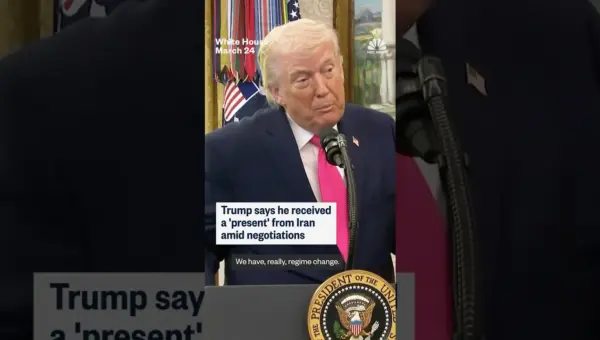
Former President Donald Trump announced Iran sent a "very big present" worth "tremendous" value, described as oil and gas related, not nuclear. He stated the gift signaled he was "dealing with the right people" amid ongoing negotiations.

US-Iran Talks Secret? Expert Weighs In on Indirect Diplomacy
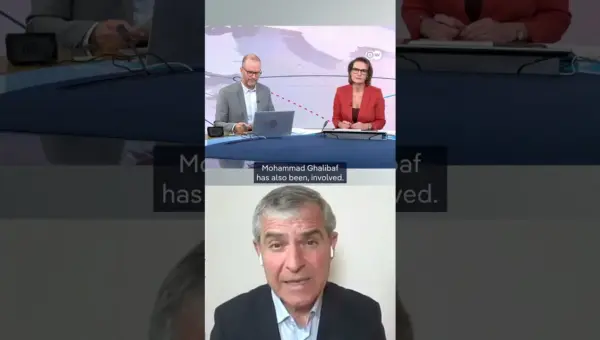
The United States and Iran maintain communication through indirect channels, utilizing regional countries as intermediaries due to the absence of formal diplomatic relations. Middle East expert Farwaz Gerges explained that this reliance on third-party nations is crucial for managing tensions and exploring diplomatic options. These indirect talks cover various sensitive issues, offering a path for dialogue despite decades of severed direct ties.

Trump Touts Border Security, Appoints Mullin to DHS
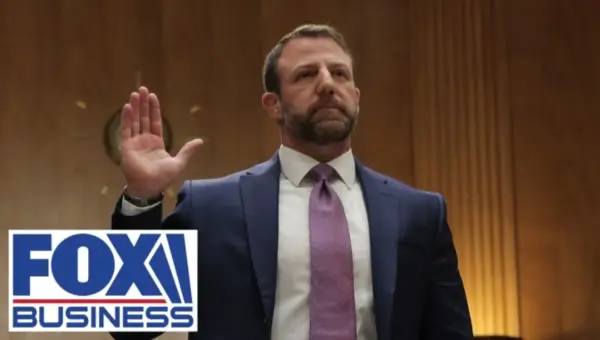
President Trump appointed Markwayne Mullin as the new Secretary of Homeland Security, emphasizing border security and national safety. Mullin's diverse background as a businessman, former congressman, and MMA fighter was highlighted. The appointment comes amid strong criticism of current immigration policies and a focus on stricter border enforcement.