Iran Strikes Spark Oil Price Surge, Threatening Affordability
Iran's recent strikes around the Strait of Hormuz have sent oil prices soaring, reversing consumer affordability gains and threatening broader inflation. The disruption to a vital global shipping lane could push gasoline prices significantly higher, complicating the Federal Reserve's inflation targets and creating market uncertainty.

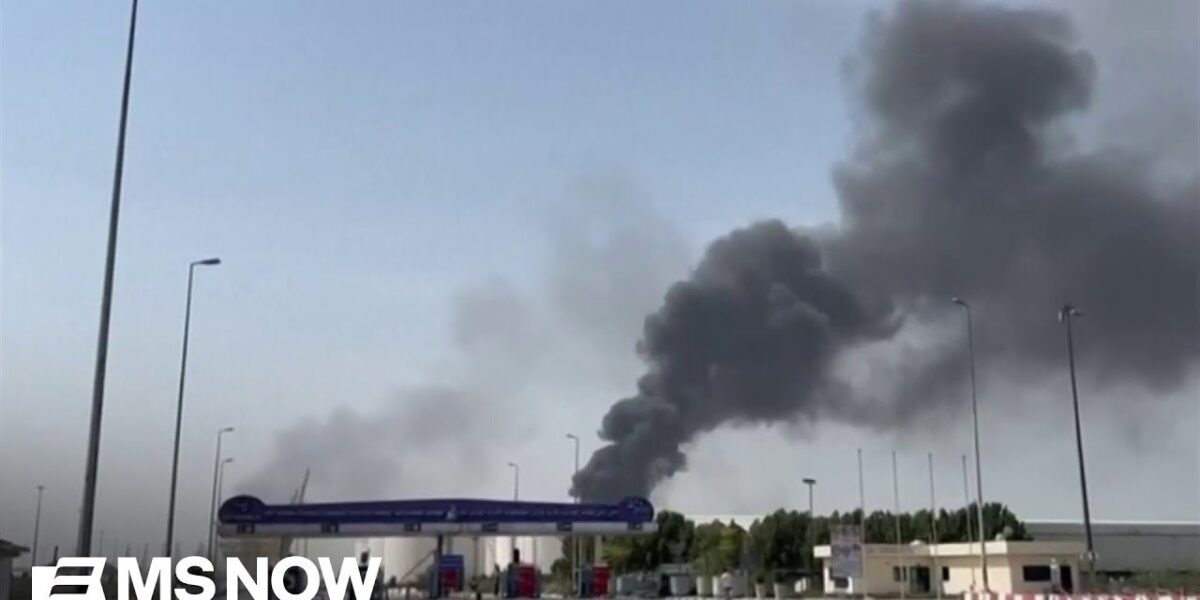
Oil Prices Spike Amidst Iran Tensions, Reversing Affordability Gains
Following retaliatory strikes by Iran on Gulf states, global oil prices have surged, threatening to undo recent gains in consumer affordability and potentially fueling broader inflation. The geopolitical escalation, centered around the vital Strait of Hormuz shipping lane, has sent crude oil trading above $72 a barrel, an 8% increase, with analysts predicting further rises to as high as $100 a barrel depending on the conflict’s trajectory.
The surge in oil prices directly impacts consumers through higher gasoline costs. National average prices, which had been hovering around $2.85 per gallon, are now projected to climb back above $3 to $3.50. This reversal is particularly significant as falling gas prices had been a rare bright spot in the ongoing affordability fight for consumers. Veteran financial journalist Ron Insana, publisher of The Message of the Markets on Substack, noted that the one area that was helping to depress inflation is now being turned on its head.
Strait of Hormuz Disruption Fuels Price Hikes
The primary driver of the oil price increase is the disruption in the Strait of Hormuz, a critical chokepoint responsible for transporting an estimated one-fifth to one-third of the world’s oil supply. Iran’s warnings to vessels to avoid the strait and its alleged strikes on at least three tankers have led to a dramatic decrease in commercial ship traffic. Data analyzed by The New York Times revealed a 70% drop in traffic through the strait following the initial strikes.
The United Arab Emirates has also taken precautionary measures, closing its two key stock markets for two days in response to the escalating tensions. While the UAE’s stock market closure is a localized event, its impact on the global financial markets is considered minimal, as U.S. markets represent a much larger portion of the global valuation.
Broader Economic Implications: Inflation and Federal Reserve
The rise in oil and gasoline prices has significant implications beyond the immediate impact at the pump. Insana explained that the increase in petrochemical prices, derived from crude oil, will lead to higher costs for a wide range of products, including plastics. This pass-through effect contributes to both wholesale and consumer inflation.
Furthermore, the upward pressure on headline inflation complicates the Federal Reserve’s efforts to manage the economy. With expectations that the Fed might consider interest rate cuts if inflation continued to fall, the current situation dashes those hopes. The rise in energy prices is expected to keep inflation closer to 3% rather than the Fed’s target of 2%, potentially constraining monetary policy decisions.
“We’ve gone from a $2.85 national average right IF WE HOLD ABOVE $72 TO $75, YOU’RE TALKING ABOUT JUMPING BACK ABOVE $3 TO $350 A GALLON SO AGAIN AS YOU WERE SAYING THAT ONE BRIGHT SPOT IN THE AFFORDABILITY CASE KIND OF IS TURNED ON ITS HEAD.”
Ron Insana, Financial Journalist
Stock Market Reaction and Geopolitical Uncertainty
Despite the significant geopolitical event, the stock market’s reaction has been relatively muted thus far. Dow futures showed a modest decline of over 500 points, or slightly more than 1%, which Insana described as an “undersized reaction to the start of a war.” Several factors are believed to be at play, including strong corporate earnings, decent economic growth, and recent indications of cooling inflation.
However, the market’s direction remains uncertain. Insana suggested that if the conflict is resolved quickly and Iran returns to negotiations, stock prices could rebound. Conversely, a prolonged conflict with potential regional spread and increased casualties could lead to a more pronounced market downturn.
Historical Context and Market Resilience
Looking at historical precedents, geopolitical events often have short-term effects on the U.S. stock market. Insana pointed to the first Gulf War, which, despite initial disruptions, saw markets rally and oil prices fall once the conflict concluded. He noted that broader factors like interest rates, the dollar’s value, and corporate earnings generally have a more significant long-term impact on stock prices than wars.
Historically, stock prices have often risen during wartime. However, the current economic climate differs from previous periods. Unlike 2003, when the Iraq War began near the bottom of a stock market cycle, the market is currently closer to its peak. Concerns about the quality of private credit deals and a potential AI bubble add to the existing financial stress, making the current situation more complex.
Looking Ahead
The duration and scope of the conflict in the Middle East will be the key determinants of future oil prices and market reactions. If diplomatic solutions are found swiftly, the economic impact may be contained. However, any escalation or prolonged instability in the Strait of Hormuz could lead to sustained high energy prices, exacerbate inflation, and create further volatility in global financial markets. Investors and policymakers will be closely monitoring developments in the region and their ripple effects on the global economy.
Source: Journalist: Spike in oil prices after Iran strikes turns ‘affordability crisis on its head’ (YouTube)

Related Articles


Diesel Tops $5 Per Gallon Amid Iran War
Diesel prices have surpassed $5 per gallon in the U.S. due to the war in Iran disrupting global oil supplies. This surge impacts everything from food to manufacturing, raising inflation concerns and potentially slowing economic growth through 2026.
Carrier Power Hits Iran’s Strait of Hormuz Tactics
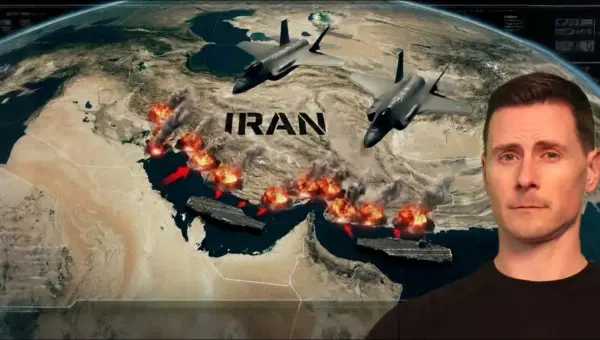
The U.S. Navy's USS Abraham Lincoln is launching relentless fighter jet waves against Iran's Strait of Hormuz tactics. Aircraft are targeting drone sites and coastal facilities to counter Iran's disruption of global shipping lanes. This operation aims to secure vital maritime trade routes.

Trump Sees Iran War Ending Soon Amidst Escalating Threats
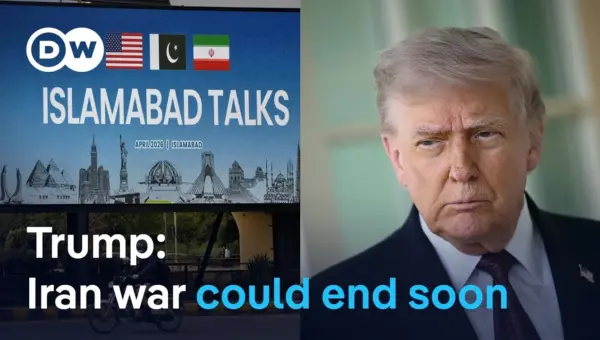
U.S. President Donald Trump expressed optimism that the conflict with Iran could end soon, despite ongoing threats between the two nations. A senior Iranian official warned of regional trade blockades if U.S. naval blockades are not lifted. Experts caution that any deal must address core issues, not just short-term military gains, to achieve lasting strategic success.