FedEx Leads Tariff Lawsuits: Who Really Pays?
FedEx is leading a new wave of lawsuits against the U.S. government, seeking refunds for Trump-era tariffs. While businesses may recoup costs, consumers are unlikely to see price reductions or reimbursements.

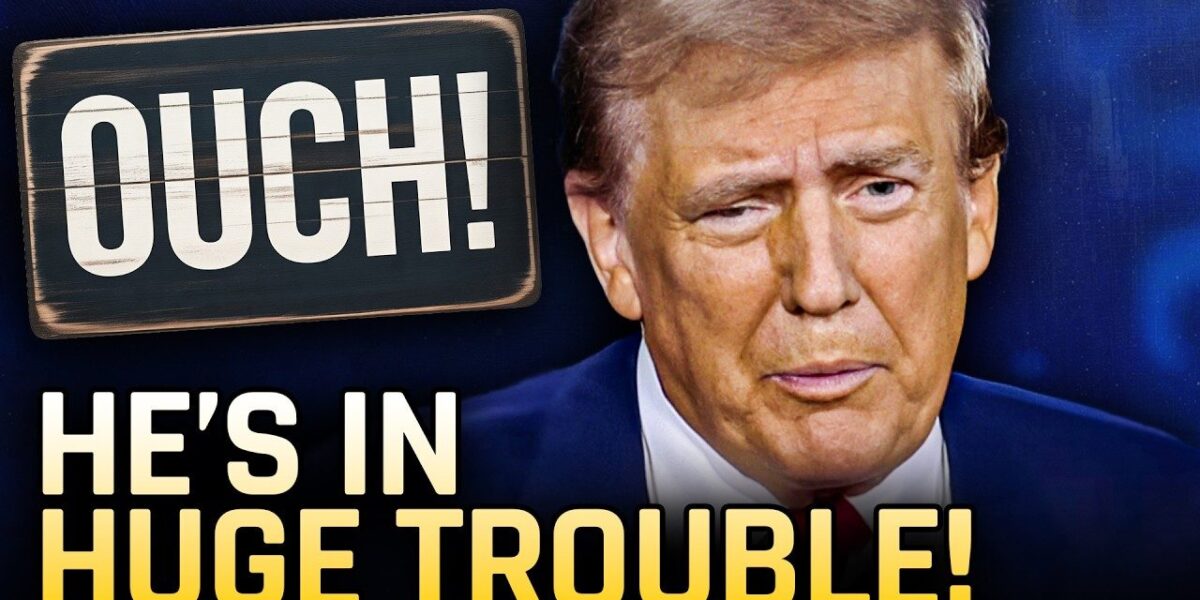
Tariff Tsunami: FedEx Sues U.S. Government Over Trump-Era Duties
In a significant development following a U.S. Supreme Court ruling, FedEx has become the first major corporation to officially file a lawsuit against the federal government seeking refunds for tariffs imposed during the Trump administration. This move by the global logistics giant signals a potential wave of litigation from businesses impacted by these now-overturned duties. While FedEx is the first to leverage the Supreme Court’s decision, it is crucial to note that this is not the genesis of corporate legal challenges against these tariffs.
Prior to FedEx’s filing, an estimated 1,500 other corporations had already initiated lawsuits against the government, with these cases still pending. Costco, for instance, is among the companies that had previously lodged complaints.
The Legal Landscape After the Supreme Court Ruling
The Supreme Court’s decision has created a new avenue for businesses to pursue refunds. FedEx’s lawsuit, by explicitly referencing this ruling, sets a precedent for how these cases might proceed. The company, a high-profile and internationally recognized entity, is drawing significant media attention, which, as the transcript suggests, is a deliberate outcome.
The aim is not to portray corporations as allies, but to demonstrate to all businesses, regardless of size, that avenues for recourse are now more viable. The underlying message is one of empowerment: businesses can and should fight back against policies that negatively impact them.
Empowering Small Businesses to Seek Recourse
The implications of these lawsuits extend far beyond multinational corporations. The transcript highlights that even small businesses, such as local pizzerias importing specialty ingredients like flour, tomatoes, or olive oil, have been paying these tariffs. The legal framework established by the Supreme Court’s ruling means that these smaller entities are also entitled to seek refunds.
The Department of Justice, through figures like Pam Bondi, has acknowledged that money is owed back to businesses. The process, while not overtly aggressive, involves filing a lawsuit. This accessibility, irrespective of a company’s scale, is a critical takeaway, encouraging a broader base of businesses to explore their legal options.
FedEx’s Stance and the Unanswered Question of Refunds
FedEx has not publicly disclosed the exact amount it paid in tariffs, though projections suggest the company could have paid as much as a billion dollars. In a statement on its website, FedEx clarified its position: “While the Supreme Court did not address the issue of refunds, FedEx has taken necessary action to protect the company’s rights as an importer of record to seek duty refunds from US Customs and Border Protection.” The company acknowledges that “no refund process has been established by regulators or the courts” and awaits further guidance. This highlights a significant hurdle: even with successful lawsuits, the practical mechanism for receiving these refunds remains undefined.
The Broader Economic Impact: Who Truly Benefits?
A critical question arises regarding the ultimate destination of these recovered funds. If FedEx and other successful litigants receive substantial payouts from the government, who will benefit? The transcript posits a stark reality: this money is likely to flow to CEOs and shareholders, not to the consumers who ultimately bore the cost of the tariffs.
Analysis suggests that businesses passed on at least 90% of these tariff costs to consumers through increased prices. Therefore, while businesses might see their balance sheets improve with a government payout, consumers are unlikely to see a reduction in prices or receive any reimbursement for the higher costs they have endured. This creates a scenario where businesses are financially compensated, while the public continues to pay inflated prices, effectively allowing companies to profit twice.
Why This Matters
The wave of lawsuits following the Supreme Court’s ruling on Trump-era tariffs is more than just a legal battle; it’s a complex economic and political narrative. It highlights the significant financial burden that protectionist trade policies can place on businesses and consumers alike. The fact that the government is now being compelled, through judicial review, to potentially refund these duties signifies a check on executive power in setting trade policy.
The accessibility of legal recourse for smaller businesses is a crucial development, potentially fostering greater accountability in future trade decisions. However, the most significant implication lies in the distribution of recovered funds.
The likely scenario, where corporate profits are strengthened while consumer costs remain high, raises serious questions about fairness and economic equity. It highlights a structural issue where the immediate beneficiaries of government policy shifts are often corporate entities, with the ultimate economic burden falling disproportionately on the general public.
Historical Context and Future Outlook
The use of tariffs as a tool of trade policy is not new; it has a long and often contentious history in the United States. From the early days of the republic, tariffs have been debated for their role in protecting domestic industries versus their potential to harm consumers and international trade relations. The Trump administration’s approach, characterized by broad-based tariffs on goods from major trading partners, marked a significant departure from decades of generally more targeted trade actions.
The subsequent legal challenges and the Supreme Court’s intervention represent a crucial moment in this ongoing debate, suggesting a judicial willingness to scrutinize and potentially limit the executive branch’s unilateral power in imposing such duties. Looking ahead, the outcomes of these lawsuits will set important precedents. If businesses are successful in securing refunds, it could embolden further legal challenges against government trade actions.
Conversely, if the process of obtaining refunds proves too cumbersome or if the funds are indeed absorbed by corporate profits without consumer benefit, it might temper future enthusiasm for such legal recourse. The broader trend suggests a continued tension between nationalistic trade policies and the forces of global commerce, with the legal system increasingly playing a role in mediating these conflicts.
Conclusion: A Pyrrhic Victory?
While the legal victories for companies like FedEx in challenging these tariffs might be seen as a win against a specific policy, the ultimate economic outcome for the average person appears bleak. The transcript concludes with a somber assessment: the most satisfying outcome for many might be the symbolic defeat of a policy championed by a former president. However, this symbolic victory comes at a cost.
The money paid by consumers in the form of higher prices is unlikely to be recouped, and the refunded tariffs will likely enhance corporate bottom lines rather than alleviate consumer burdens. In essence, while the government may be ordered to pay back money, the individuals who bore the direct and indirect costs of these tariffs may never see that money again.
Source: Trump Hit With MAJOR Tariff Refund Lawsuits (YouTube)

Related Articles

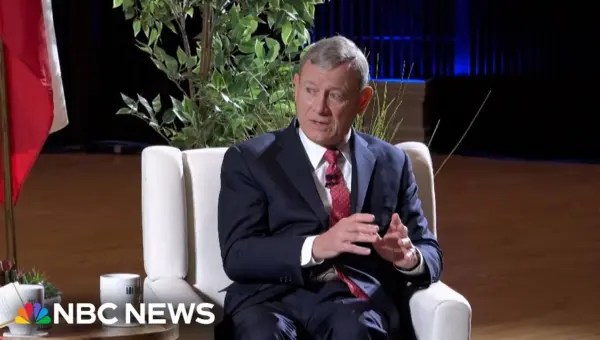
Roberts Decries ‘Dangerous’ Attacks on Judges
Chief Justice John Roberts has warned that personal attacks against judges have become "dangerous." While acknowledging that criticism of court opinions is healthy, Roberts drew a sharp distinction between debating legal analysis and directing hostility towards individual judges. He emphasized that this shift risks undermining the integrity and independence of the judiciary.

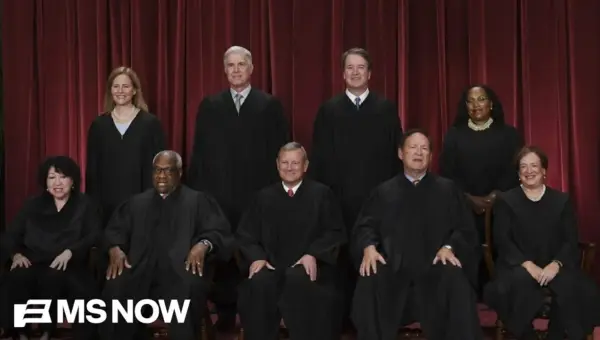
Supreme Court’s Legitimacy Tested: A Look Inside
The Supreme Court is increasingly seen as the "last branch standing" to resolve national disputes, a role that strains its legitimacy. Author Sarah Isker's new book, 'Last Branch Standing,' examines the court's internal dynamics and its complex relationship with public opinion and other branches of government.
Trump’s Tariffs Ignite Inflation Crisis, Fed Stands Helpless
Inflation has surged to 3.3%, driven by a combination of energy shocks and self-inflicted tariffs. The Federal Reserve's tools are largely ineffective against this supply-driven crisis, leading to a potential for prolonged economic pain and a political opportunity to rethink economic policy.