Iran Celebrates After Israeli Strikes Eliminate Top Leaders
Following Israeli airstrikes that reportedly killed Iran's Supreme Leader and top staff, celebrations have erupted among the Iranian diaspora. While a "monumental event," analysts caution against immediate expectations of a smooth democratic transition due to the IRGC's power and a divided opposition.

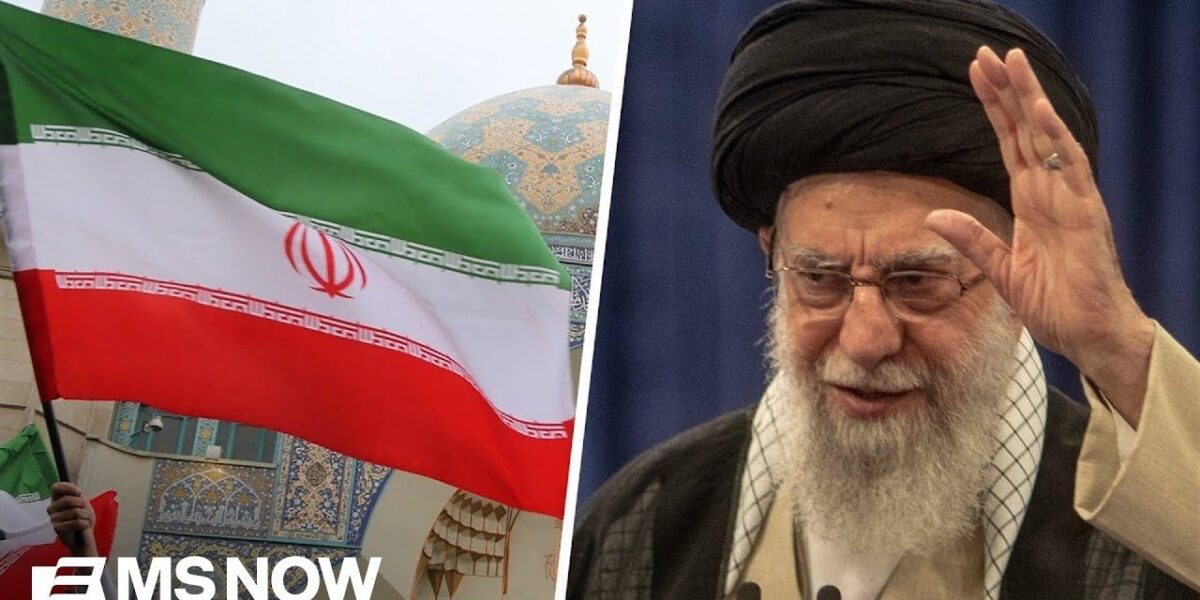
Iran Reacts to Supreme Leader’s Death Following Israeli Airstrikes
Tehran, Iran – Celebrations erupted both within Iran and among the global Iranian diaspora following the reported deaths of Iran’s Supreme Leader and members of his top staff in Israeli airstrikes on Saturday, February 28, 2026. The targeted operation has sent shockwaves through the region and sparked intense speculation about the future of the Islamic Republic.
A ‘Monumental Event’ for Iranians
For many Iranians, the demise of the Supreme Leader, who had held power for 37 years, represents a potentially pivotal moment. Mirzad Bouazherdi, Dean of the College of Arts and Sciences at Missouri University of Science and Technology and an Iranian-American whose father was reportedly killed by the regime, described the event as “monumental.” He acknowledged that while some international observers may focus on the legalities or potential ramifications of the strikes, the sentiment among many Iranians is more complex.
“I think it’s important to keep in mind that for many Iranians, those that you just showed in your program, you know, we do not absolve the Islamic Republic of Responsibility for the conditions that it has contributed to the current crisis. Keep in mind that this is a regime that is responsible for brutally suppressing at least three waves of social movements. The last one just happening last month, four weeks ago, where thousands and thousands of citizens were killed.”
Bouazherdi characterized the elimination of individuals involved in the assassination of his father as “bittersweet,” reflecting a common sentiment among those who have suffered under the current regime. “I hope people can understand why there is this sentiment among many Iranians that, you know, we want to see an end to this Islamic Republic,” he stated. However, he expressed caution regarding the immediate prospects for regime change or a smooth transition to democracy, suggesting that a “rather difficult era” may lie ahead.
Challenges to Crippling the IRGC
A significant obstacle to any potential transition is the Islamic Revolutionary Guard Corps (IRGC), which Bouazherdi described as the most organized force within Iran, possessing a monopoly on the means of repression. “It’s extremely, you know, well-organized, well-finance, etc.,” he noted.
In contrast, the opposition, while popular, lacks organization and armament. Unlike opposition movements in Libya or Syria, the Iranian opposition does not control territory. Furthermore, the opposition is described as deeply divided, with “cross-cutting cleavages” hindering the emergence of a unified front. This fragmentation poses a critical challenge, as Bouazherdi explained:
“Imagine, for example, I am a disgruntled member of the Revolutionary Guards and I want to defect to the opposition. Well, exactly to whom do I defect at this moment in time, right? And so I think that’s part of the challenge that we see in a country as big as Iran with 90 million people.”
Reza Pahlavi’s Role and the Path to Democracy
The discussion also touched upon the prominent opposition figure Reza Pahlavi, the son of the last Shah of Iran. Pahlavi has praised former President Trump’s actions against the regime and expressed confidence that the Iranian people will determine their own future, advocating for a democratic Iran. He has also put forth his own proposal for Iranian democracy.
Bouazherdi acknowledged Pahlavi’s significant influence, stating, “I think it’s fair to say that he has managed to establish himself as the most prominent member of the opposition group.” He pointed to instances of people inside Iran chanting Pahlavi’s name during demonstrations. This prominence is largely attributed to the “wonderful symbolic capital” inherited from his grandfather and father, granting him substantial name recognition.
However, Bouazherdi also highlighted limitations. While Pahlavi has assembled advisors and drafted transition plans, he has not managed to overcome the fundamental challenge of unifying a fractured opposition. “The fact of the matter, from my humble opinion, is that overthrowing the Islamic Republic is a difficult task. And we need really a rainbow coalition of Iranian opposition groups to be able to manage that feat,” Bouazherdi concluded.
Looking Ahead
The elimination of key figures within the Iranian regime marks a significant development, potentially emboldening domestic and international opposition. However, the deep-seated organizational strength of the IRGC and the divisions within the Iranian opposition present formidable hurdles. The coming months will be critical in determining whether this event catalyzes a genuine movement towards regime change or ushers in a period of further instability. The international community will also be closely watching Iran’s nuclear program amidst this evolving geopolitical landscape.
Source: Iran needs a ‘rainbow coalition’ that’s just not ready to overtake regime: Iranian-American (YouTube)

Related Articles

GOP Senators Show Weariness With Trump’s Iran Stance
Republican lawmakers are showing signs of frustration with President Trump's prolonged engagement in Iran. Diplomatic talks continue, with a potential ceasefire extension being considered, while the U.S. bolsters its military presence. Meanwhile, domestic economic pressures and battles with the Federal Reserve chair add to the political complexities.

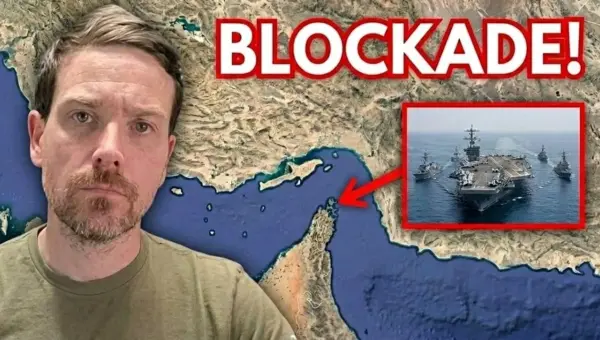
US Navy Blockade Tightens Grip on Iran’s Oil
The US Navy has imposed a strict blockade on Iranian ports, aiming to cripple the nation's oil exports and economy. With warships enforcing the closure, Iran faces significant financial pressure. The long-term effectiveness and potential for escalation remain key concerns.


Trump’s Iran Deal Talk: A Mirror of His Own Desires?
Donald Trump's repeated claims that Iran "wants a deal very badly" might be more about his own desire for an agreement than Iran's. This analysis explores his rhetoric and its potential implications for foreign policy.