Iran’s Unrest: Strikes Signal Potential Uprising
Iran is experiencing a critical juncture as a wave of strikes suggests a potential uprising, following the reported death of its Ayatollah. This unrest, fueled by long-standing human rights abuses and economic hardship, marks a significant moment of uncertainty for the nation. The situation is being closely watched globally, with implications for regional stability.

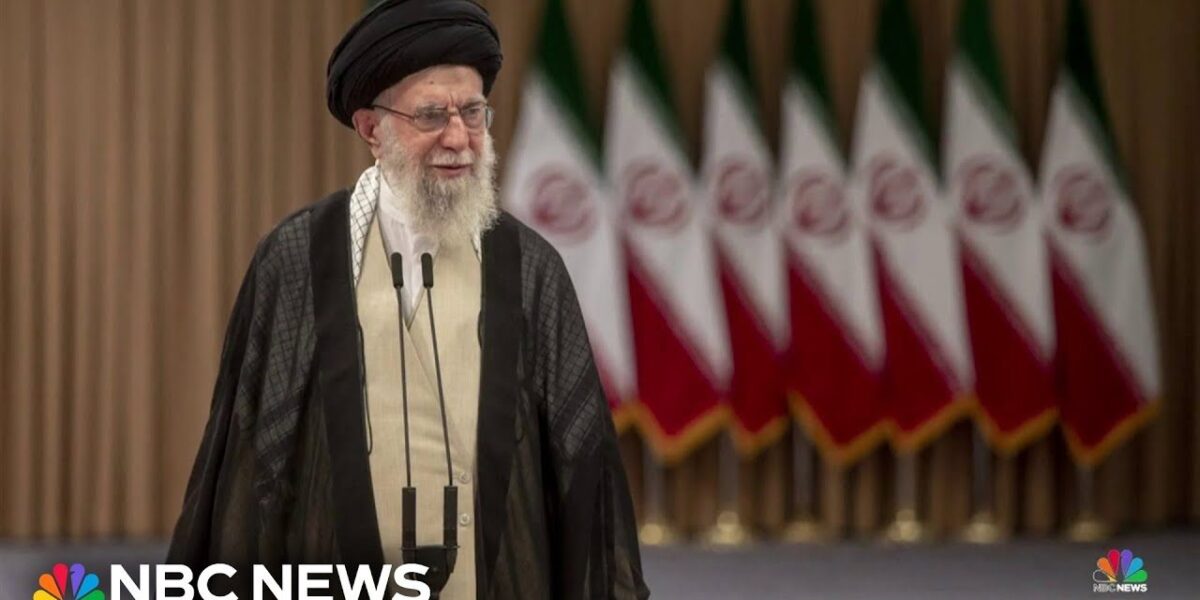
Iran Faces Key moment Amidst Widespread Unrest
In a significant development, Iran is grappling with what appears to be the initial wave of widespread strikes, potentially heralding a period of profound uncertainty not seen in the nearly half-century since the Islamic Revolution. This unrest comes at a critical juncture, following President Trump’s announcement regarding the death of Iran’s Ayatollah, leaving a leadership vacuum and raising questions about the nation’s future trajectory. The situation has galvanized Iranian Americans, who gathered in solidarity, expressing both hope and deep emotion.
A History of Tensions and Tumult
Iran’s modern history is marked by periods of intense geopolitical tension and internal turmoil. The 1979 revolution fundamentally reshaped the nation and the wider region, ushering in a new era under its first Supreme Leader.
Since then, the country has navigated numerous crises, including the prolonged U.S. Embassy hostage crisis of 1979-1981, the U.S.-backed Iran-Iraq War, and the targeted killing of Qasem Soleimani, the head of the Islamic Revolutionary Guard Corps. However, the current wave of internal dissent and the implications of the leadership change suggest a potentially unprecedented moment of instability.
President Trump’s Call to Action
In the early hours of this developing situation, President Trump issued a direct appeal to the people of Iran, stating, “This will probably be your only chance for generations.” This statement highlights the perceived critical nature of the current moment and suggests a potential alignment between external pressures and internal dissent. The White House’s messaging appears to be aimed at encouraging and amplifying the ongoing protests and strikes within Iran.
Months of Protests and Repression
For months, the streets of Iran have been a site of significant public demonstrations. Reports indicate that thousands have been killed and many more imprisoned, including children, in the government’s efforts to quell dissent.
The crackdown has drawn international condemnation, particularly concerning the human rights situation in the country. The repression has been especially stark concerning women’s rights, which have been systematically curtailed under the current regime.
The Role of Human Rights and Women’s Rights
A central grievance fueling the ongoing protests is the severe violation of human rights within Iran, with a particular focus on the erosion of women’s rights. The Ayatollah’s reign has been characterized by policies that restrict freedoms and enforce strict social codes, disproportionately affecting women. The desire for greater personal freedoms, equality, and an end to state-sanctioned discrimination is a powerful motivator for many Iranians participating in the strikes and demonstrations.
Iranian American Solidarity
The events unfolding in Iran have resonated deeply within the Iranian diaspora, particularly among Iranian Americans. Gatherings have been observed on U.S. Streets, with participants carrying flags and expressing a complex mix of emotions, including hope for change and concern for those living under the current regime. These displays of solidarity highlight the transnational impact of Iran’s internal struggles and the strong connection the diaspora maintains with their homeland.
Uncertainty and the Path Forward
The immediate future of Iran remains highly uncertain. The effectiveness of the current strikes, the response of the regime, and the potential for further escalation are all key variables.
The international community is closely watching these developments, with implications for regional stability and global politics. Whether this initial wave of strikes will coalesce into a sustained movement for change, or whether the regime will succeed in quelling the dissent, remains to be seen.
The coming days and weeks will be crucial in determining the trajectory of Iran’s political landscape. Observers will be focused on the resilience of the protest movement, the government’s reaction, and any further pronouncements from international leaders. The potential for a significant shift in Iran’s governance and its role in the region is palpable, making this a period of intense observation and analysis.
Source: In Iran, first wave of strikes may be just the beginning (YouTube)

Related Articles


North Korea Eyes Iran Attack: A Nuclear Deterrent Boost
An attack on Iran may be reinforcing North Korea's belief that nuclear weapons are essential for its survival. The perceived failure of allies to fully support Iran, combined with South Korea's preemptive strike capabilities, strengthens Pyongyang's resolve to maintain its arsenal. This highlights the challenges in future denuclearization efforts.

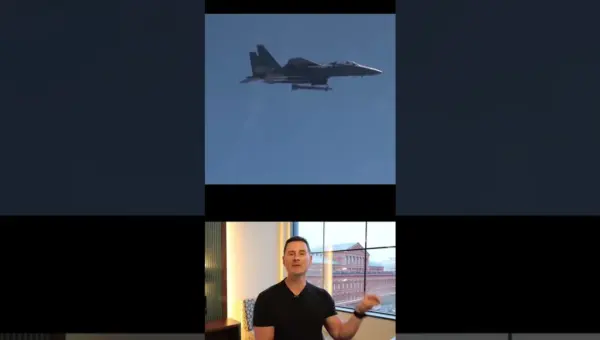
US Air Power Strikes Iranian Missile Sites
U.S. F-15E Strike Eagles deployed 5,000-pound GBU-72 bombs on hardened Iranian missile sites near the Strait of Hormuz. CENTCOM confirmed anti-ship threats were neutralized, securing vital oil shipping lanes. The strikes precede the arrival of 2,500 U.S. Marines, indicating preparatory battlefield actions.

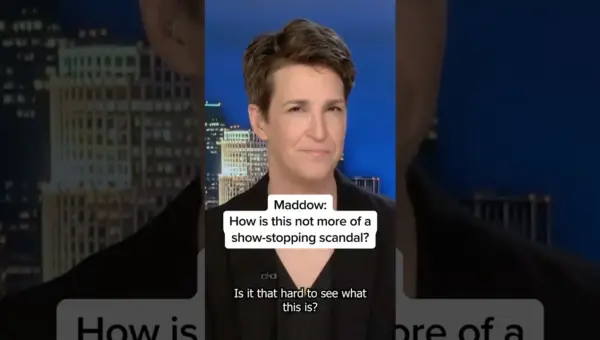
Maddow Questions Silence on Kushner-Saudi Ties Amid Iran Tensions
Rachel Maddow is questioning why the financial ties between Jared Kushner's business and Saudi Arabia are not a bigger scandal. She highlights the potential conflict between Kushner's personal financial interests and U.S. national interests, especially in light of recent actions concerning Iran. The lack of significant public outcry over these connections is what Maddow finds most puzzling.