Senator Warner Criticizes Trump’s Iran Strikes Without Clear Goals
Senator Mark Warner has criticized President Trump's recent military strikes in Iran, labeling them a "war of choice" made without sufficient congressional approval or evidence of imminent threat. Warner expressed concern over shifting justifications and the lack of a clear strategy, demanding that U.S. troops be deployed with defined goals and a rational plan.

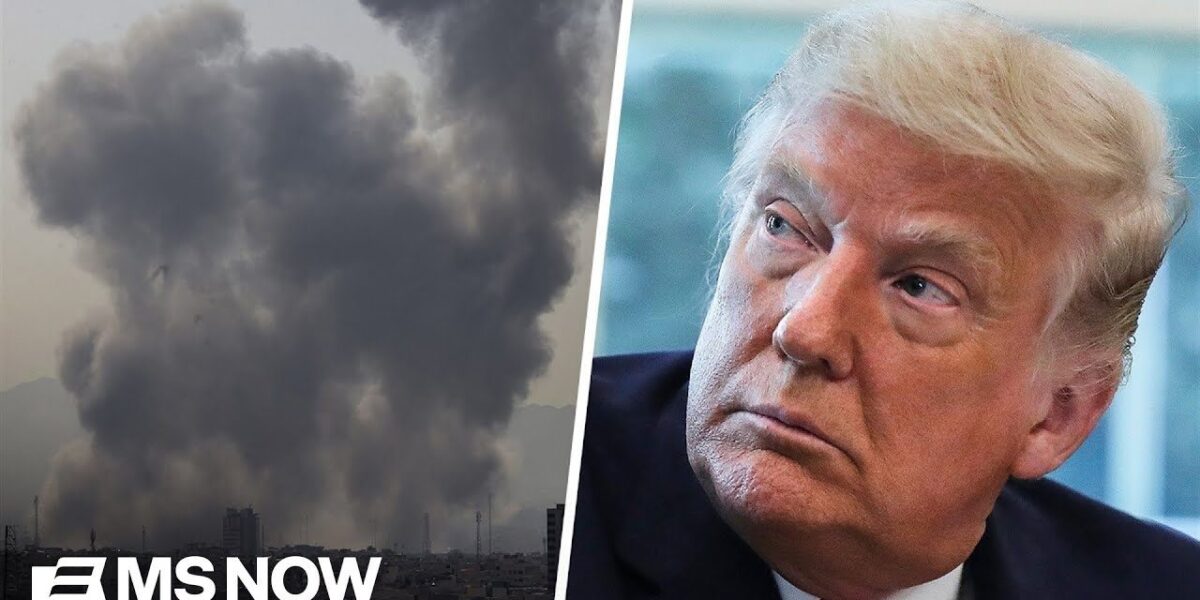
Warner Slams Trump’s “War of Choice” on Iran Without Congressional Approval
Washington D.C. – As backlash intensifies on Capitol Hill, including from within Republican ranks, over recent U.S. military strikes in Iran, Senator Mark Warner, Vice Chair of the Senate Intelligence Committee and a member of the Gang of Eight, has sharply criticized the Trump administration’s decision-making process. Warner stated that while consultation with Congress was improved compared to previous military actions under President Trump, the justification for the strikes lacked evidence of imminent harm to Americans or a threat to the nation. He characterized the action as a “war of choice” and asserted that the President does not possess the unilateral authority to initiate such conflict without congressional approval.
Shifting Justifications Raise Questions on Objectives
The stated rationale for the strikes has shifted significantly in recent days, fueling Warner’s skepticism. Initially, the administration cited the need to eliminate Iran’s nuclear capabilities, a claim that contradicts previous presidential statements and intelligence assessments. Subsequently, the justification evolved to Iran’s ballistic missile capabilities potentially threatening U.S. troops and Israel. Most recently, the language has pivoted towards regime change. Senator Warner expressed bewilderment at the administration’s evolving objectives, stating, “I don’t have the foggiest idea what the goal is here.” He emphasized that President Trump himself has acknowledged putting American troops in harm’s way, anticipating potential casualties for a conflict initiated without an imminent threat.
“The president himself has acknowledged it. He’s chosen to put American troops in harm’s way, and even he expects that there’ll be American casualties for a war of choice without an imminent threat to America is extraordinary in itself.”
Call for War Powers Resolution and Congressional Action
In light of the administration’s actions, Senate Minority Leader Chuck Schumer has called for Congress to reconvene immediately to vote on a War Powers Resolution. Senator Warner believes Congress should return and hold a vote, though he could not predict the outcome. He noted that the War Powers Act is designed for such situations, particularly when a president reacts to an unforeseen incident. However, this situation, he argued, was different. “This was not anything that was imminent. This was clearly a buildup of literally weeks,” Warner explained. He contrasted this with potential actions considered in January when Iranian citizens were protesting, suggesting that even then, a case would need to be made to the American public and Congress.
Concerns Over Regional Destabilization and Exit Strategy
The senator voiced concerns about the potential for regional destabilization and retaliatory actions by Iran or its proxy forces. He highlighted the critical need for U.S. service members, many of whom are home-ported in Norfolk, Virginia, to be deployed with a “rational plan with clear goals” and proof of necessity. Warner stated, “to do anything less than that would be disrespectful to their service.” He also called for the administration to include an endgame and an exit strategy for the operation. The possibility of Iran’s Supreme Leader being killed, as reported by some outlets, further complicates the volatile situation, though Warner expressed skepticism about intelligence suggesting this would automatically lead to beneficial regime change.
Broader Implications and Future Outlook
Senator Warner’s remarks underscore a growing bipartisan concern over the executive branch’s unchecked authority in initiating military engagements. The shifting justifications and lack of a clearly articulated strategy raise fundamental questions about accountability and the long-term consequences of U.S. foreign policy decisions. The situation highlights the ongoing tension between presidential war powers and congressional oversight, particularly in an era of heightened global tensions. As U.S. troops remain in a precarious position, the focus will likely remain on whether the administration can provide a coherent strategy and whether Congress will assert its constitutional role in matters of war and peace. The coming days will be critical in determining the administration’s response to congressional pressure and the unfolding events in the Middle East.
Source: Sen. Warner: U.S. troops ‘owed a rational plan with clear goals’ by Trump for Iran strikes (YouTube)

Related Articles
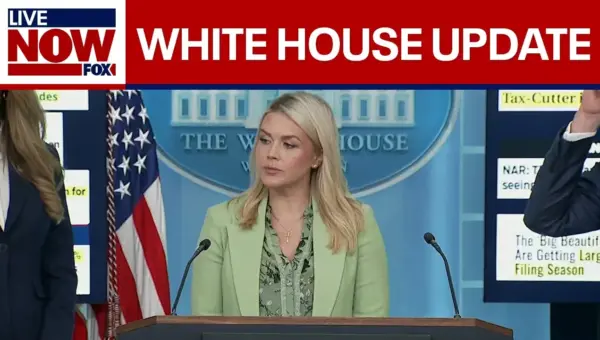
Trump Tax Cuts Deliver Billions Back to Americans
White House officials detailed the success of President Trump's "working families tax cuts" on Tax Day, reporting that over 53 million Americans have claimed significant tax savings and historic refunds. Treasury Secretary Scott Bessant and Small Business Administrator Kelly Leler highlighted benefits for individuals and small businesses, while also addressing economic outlook and international matters.
AG’s Shocking Defense: Trump’s DOJ is a ‘Good Thing’!
Acting Attorney General Todd Blanch's comments suggest the Department of Justice should openly serve the president's political agenda. This radical departure from tradition raises alarms about the politicization of justice and its impact on democracy.

Trump’s Economy Faces Recession Warnings Amid Global Fears
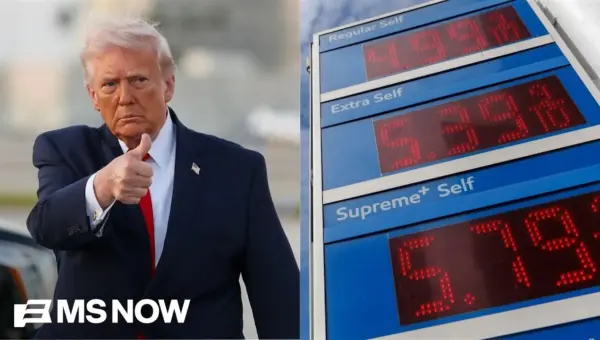
Global recession fears are intensifying as the IMF issues stark warnings, while a Harvard academic predicts a trillion-dollar taxpayer burden for the U.S. The Trump administration, however, continues to project optimism, creating a notable contrast with expert analyses. This divergence highlights critical questions about economic preparedness and the potential impact of global instability on American taxpayers.