Iran’s Retaliation Strategy Complicated by Deeply Entrenched Regime
Iran's retaliatory strikes across the region highlight its asymmetric warfare capabilities and the deep entrenchment of its regime. Experts note that dismantling Iran's extensive repressive apparatus, crucial for regime change, would be a protracted and costly endeavor with severe regional implications.

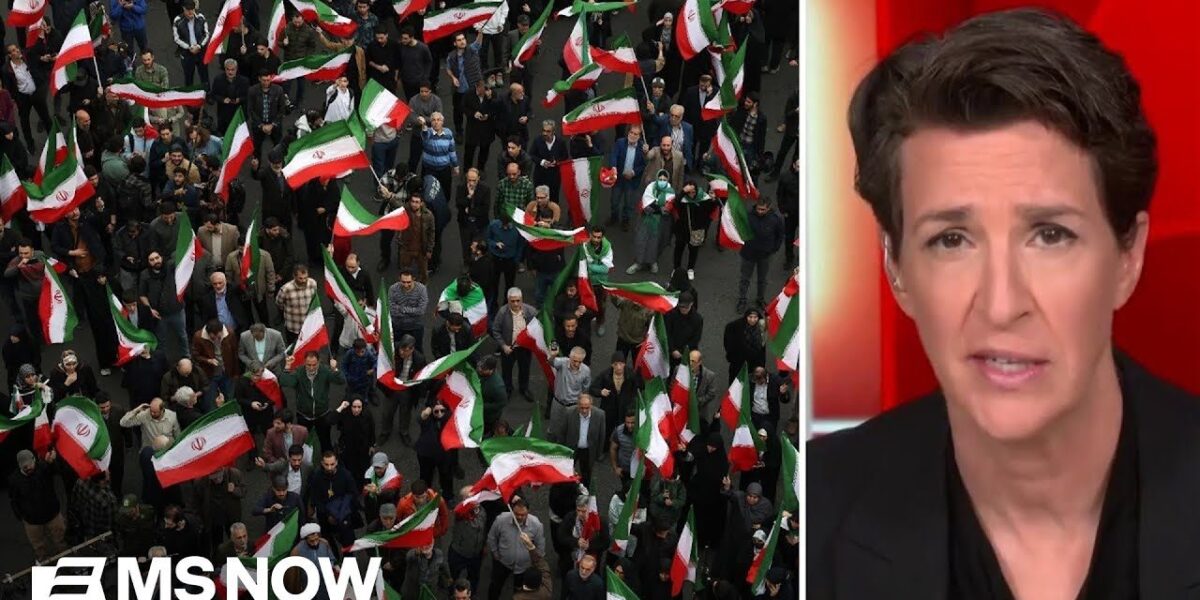
Iran’s Regional Strikes Highlight Regime’s Asymmetric Warfare and Resilience
DUBAI, UAE – In a dramatic display of regional tension, a fire erupted at the Fairmont Palm Hotel in downtown Dubai on Tuesday, following what appeared to be a drone strike or debris from an intercepted missile. This incident is one of several strikes and interceptions across the region as Iran begins its retaliation against what it perceives as U.S. Or Israeli targets and their allies. The escalating conflict highlights the complex military capabilities and enduring nature of the Iranian regime, even as it faces external pressure.
Iran’s Asymmetric Military Capabilities
While Iran’s conventional military strength is significantly weaker than that of the United States and Israel, its capacity for asymmetric warfare is substantial. As Ali Váez, Iran Project Director and Senior Advisor to the President at the International Crisis Group, explained, Iran can “spread the pain” through various means.
This includes potentially disrupting global energy prices by threatening the Strait of Hormuz and impacting energy exports from the region. Iran has demonstrated its ability to target Israeli and U.S. Bases within the region, a strategy aimed at creating a sense of insecurity for all parties involved, with the hope of pressuring adversaries to de-escalate.
“For them, this is a game of endurance,” Váez stated, emphasizing that a primary objective for the Iranian regime is not necessarily outright victory, but survival.
The Challenge of Regime Change: A Deeply Entrenched System
The prospect of toppling the Iranian regime, a stated or implied goal by some international actors, presents a formidable challenge due to its deeply entrenched nature. Drawing a parallel to the situation in Venezuela, where attempts at regime change were made, Váez highlighted that Iran, like Venezuela, possesses a “deeply benched” leadership structure. He cited an instance from a previous conflict where Israel eliminated dozens of senior Iranian commanders in the initial hours, only to see them rapidly replaced, allowing Iran to recover and retaliate.
Achieving the kind of regime change that would empower the Iranian populace to rise up requires dismantling the regime’s extensive repressive apparatus. This apparatus includes the approximately 200,000-strong Revolutionary Guard, supported by a million-strong militia, in addition to hundreds of thousands of security forces and police.
Repressive Capacity and Civilian Costs
The regime’s capacity to suppress internal dissent is a critical factor. Váez recalled the “bloody massacre” of Iranian protesters in the preceding month, noting that the state employed small arms rather than the heavy weaponry seen in conflicts like Syria. The sheer scale of these forces and their effectiveness in containing an unarmed and fragmented population means that dismantling them would likely necessitate weeks, if not months, of sustained military engagement.
Such an extended military operation would carry immense civilian costs for Iran and potentially disastrous implications for the wider region. The idea of encouraging the Iranian people to revolt without first neutralizing the state’s capacity to repress them is described as a “harrowing prospect.”
Endurance as a Strategic Imperative
Ultimately, Iran’s strategy appears rooted in endurance. The regime’s survival, rather than immediate military conquest, is the paramount objective.
This long-game approach, coupled with its significant asymmetric capabilities and deep internal structures, makes it a resilient adversary. The recent strikes and retaliations serve as a clear reminder of the volatile security landscape in the Middle East and the complex dynamics at play between Iran, the U.S., and its regional allies.
Looking Ahead
The coming weeks will be crucial in observing how Iran continues its retaliatory measures and how the U.S. And its allies respond. The focus will remain on the potential for escalation, the impact on global energy markets, and the internal dynamics within Iran as the regime navigates external pressures and maintains its grip on power through its formidable repressive capacities. The international community will be watching closely to see if diplomatic channels can be effectively utilized to de-escalate the situation before it leads to further widespread conflict.
Source: Trump's DECAPITATION STRATEGY complicated by Iran regime's 'deep bench,' 'repressive capacities' (YouTube)

Related Articles


Bitcoin Plunges Amid Geopolitical Fears, Oil Surges
Bitcoin and major stock indices are experiencing sharp declines amid escalating geopolitical tensions and concerns over rising inflation. While the energy sector is surging, cryptocurrencies are showing significant weakness, with analysts warning of potential further downside for Bitcoin. Market participants are closely watching global events and central bank policy for direction.
Oil Prices Spike After Attacks on Energy Sites
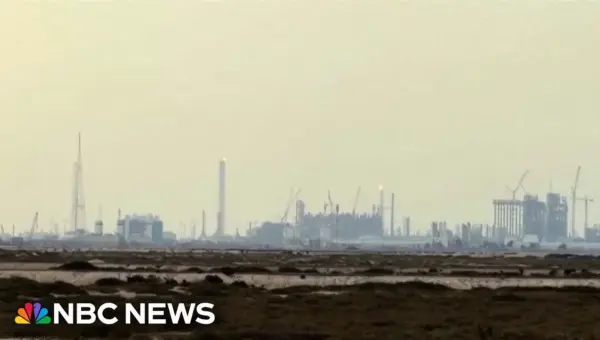
Oil prices surged this week following a wave of U.S. airstrikes in Iran and attacks on energy sites in Qatar. Vice President Vance called the price increases a 'temporary blip,' while intelligence briefings revealed disagreements over the immediacy of the threat from Iran. Military actions targeted missile facilities along the Strait of Hormuz.
Iran’s Military Hit Hard, Analysts Debate Threat Level
Devastating strikes have crippled Iran's missile production and stockpiles, but a debate continues over the country's immediate threat level. Israel is intensifying targeted operations against Iranian leaders, while economic warfare targeting oil exports, like at Kharg Island, is being considered.