US and Iran Exchange Strikes Amid Escalating Middle East Crisis
The Middle East is on high alert following coordinated military strikes by the US and Israel against Iran, which has reportedly retaliated against US bases. International leaders have condemned the actions, citing grave consequences for global peace and the potential for civilian casualties, including a reported attack on a girls' school. The escalation occurs despite reports of a potential diplomatic breakthrough hours earlier.

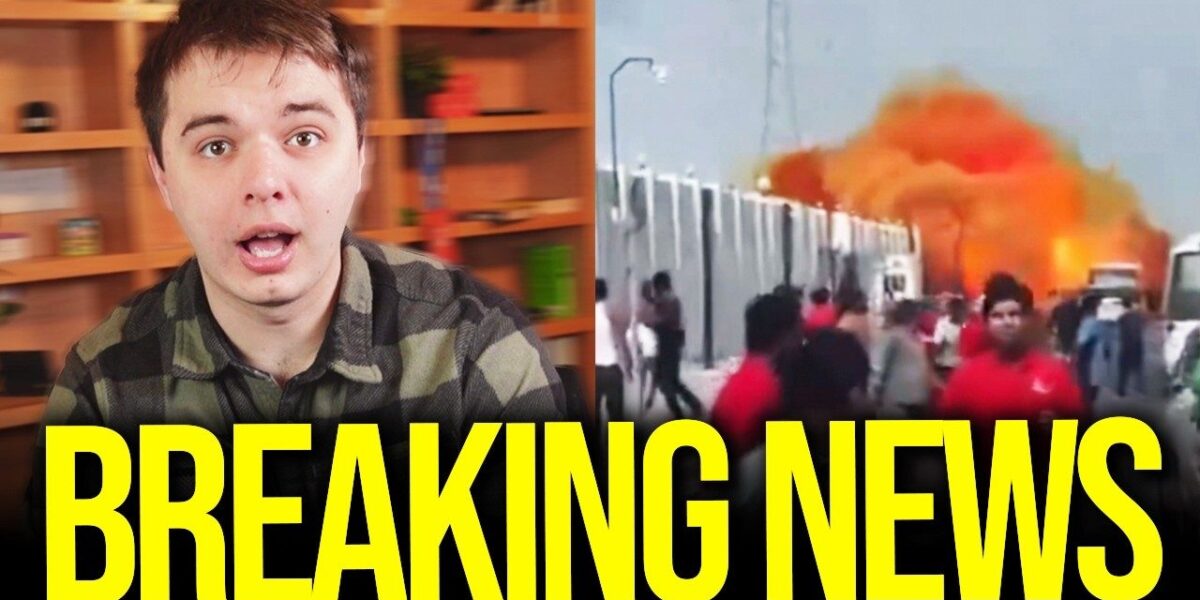
Late last night, a significant military escalation unfolded in the Middle East as former President Donald Trump authorized strikes against Iran. This action has triggered a coordinated military response, with the United States and Israel launching a “full-blown military attack” against Iranian targets. The situation is rapidly deteriorating, with Iran reportedly retaliating by striking multiple US naval bases, including those in Bahrain, Jordan, and Kuwait, as well as an air base in Qatar.
Unprecedented Military Action and Retaliation
The decision to launch strikes against Iran, reportedly made by Donald Trump in the early hours of the morning, marks a dramatic shift in regional dynamics. The United States and Israel have engaged in a joint military operation, the full scope and objectives of which remain under intense scrutiny. In response, Iran has demonstrated its retaliatory capabilities, targeting key US military installations across the region. Reports indicate that US naval bases in Bahrain, Jordan, and Kuwait, along with an air base in Qatar, have been hit by Iranian missiles and drones. This exchange has led to the suspension of flights throughout the region and forced global airlines to reroute traffic, underscoring the severity of the unfolding crisis.
“We may have casualties. That often happens in war. But we’re doing this not for now. We’re doing this for the future. And it is a noble mission. We pray for every service member as they selflessly risk their lives to ensure that Americans and our children will never be threatened by a nuclear armed Iran.”
– Donald Trump (statement regarding the strikes)
Concerns Over Escalation and Civilian Impact
The immediate aftermath of the strikes has brought forth deeply concerning reports of civilian casualties. A harrowing account suggests that 51 Iranian children were killed and 60 students wounded when joint US-Israel strikes hit a girls’ school in Iran. This alleged targeting of civilian infrastructure has drawn widespread condemnation from international leaders, who describe the actions as “reckless and irresponsible.” The President of the European Union, Ursula von der Leyen, and Prime Minister Antonio Costa urged all parties to exercise maximum restraint and protect civilians. French President Emmanuel Macron stated that the outbreak of war between the United States, Israel, and Iran carries “grave consequences for international peace.” Spain’s Prime Minister explicitly rejected the “unilateral military action of the United States and Israel,” characterizing it as an escalation that contributes to a more uncertain and hostile international order.
International Condemnation and Calls for Restraint
The international community has reacted with alarm to the escalating conflict. Leaders from the European Union, France, and Spain have issued strong statements, calling for de-escalation and emphasizing the severe implications for global stability. The condemnation highlights a growing sentiment that the actions taken by the US and Israel were unilateral and lacked broad international consultation.
Historical Context and Shifting Narratives
Critics of the current administration’s actions have pointed to past statements by Donald Trump himself, who in 2012 and 2013, tweeted about the potential for presidents to launch strikes on countries like Iran during times of political pressure or low poll numbers. This historical context is being used to question the motivations behind the current offensive. Furthermore, the justification for the strikes, citing Iran’s nuclear capabilities, is being met with skepticism. Just six months prior to the current escalation, the White House website reportedly stated that Iran’s nuclear facilities had been “obliterated” and that suggestions otherwise were “fake news.” This apparent contradiction raises questions about the true rationale behind the renewed military engagement.
“Be prepared. there is a small chance that our horrendous leadership could unknowingly lead us into World War II.”
– Donald Trump (2013 tweet)
Diplomatic Efforts Undermined?
Adding another layer of complexity to the situation, reports indicate that diplomatic efforts to de-escalate tensions were reportedly close to a breakthrough just hours before the strikes commenced. Mediators involved in negotiations between the US and Iran claimed that a potential agreement was within reach, with Iran allegedly agreeing to limits on its nuclear material and full international verification—terms reminiscent of the Obama-era Joint Comprehensive Plan of Action (JCPOA) that Trump had previously withdrawn the US from. The timing of the strikes, immediately preceding a potential diplomatic success, has led to accusations that the opportunity for a peaceful resolution was deliberately undermined.
Broader Regional Implications and Future Outlook
The current military exchange is viewed by many analysts as the nascent stages of a wider regional conflict. The involvement of Iran’s allies, such as the Houthi forces in Yemen, who are reportedly threatening new attacks on US and Israeli ships in the Red Sea and Gulf of Aden, signals a potential expansion of hostilities. The rapid spread of conflict, with missiles and drones striking US and allied positions across the Middle East, underscores the volatile nature of the region. The decision-making process behind these strikes, particularly the alleged lack of consultation with Congress, is also coming under intense scrutiny. As the situation continues to develop, the international community watches closely, hoping for de-escalation and a return to diplomatic channels to avert a full-scale regional war with potentially catastrophic global consequences.
The coming days will be critical in determining the trajectory of this conflict. Attention will be focused on the responses from both the United States and Iran, as well as the reactions of key international players. The effectiveness of diplomatic interventions, the potential for further escalation, and the impact on global energy markets will be crucial factors to monitor as the world grapples with this rapidly evolving crisis.
Source: BREAKING: Trump just did it. (YouTube)

Related Articles
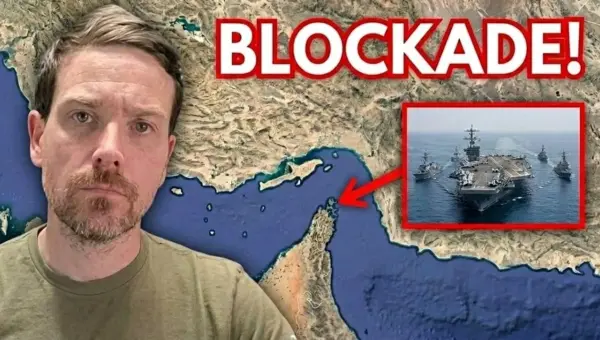
US Navy Blockade Tightens Grip on Iran’s Oil
The US Navy has imposed a strict blockade on Iranian ports, aiming to cripple the nation's oil exports and economy. With warships enforcing the closure, Iran faces significant financial pressure. The long-term effectiveness and potential for escalation remain key concerns.


Trump’s Iran Deal Talk: A Mirror of His Own Desires?
Donald Trump's repeated claims that Iran "wants a deal very badly" might be more about his own desire for an agreement than Iran's. This analysis explores his rhetoric and its potential implications for foreign policy.
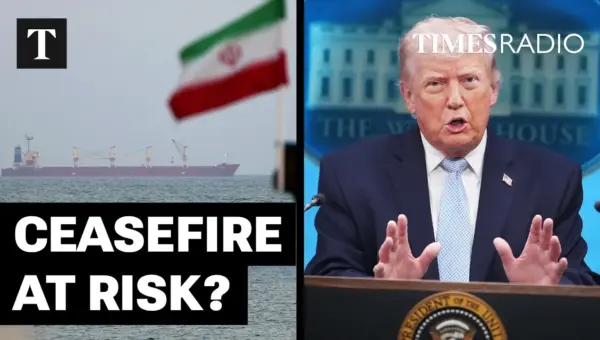
Iran Ceasefire Risks Spiraling Out of Control Amid Talks
A fragile ceasefire between Iran and the US, expiring in two weeks, faces major risks of collapse. Ongoing back-channel talks are attempting to bridge gaps, but experts warn that even minor incidents could easily escalate. The US naval blockade adds another layer of tension, with China watching closely but appearing hesitant to intervene.