Iran’s Economy Under Strain: Citizens Grapple with Soaring Prices
Iranians are facing severe economic hardship as soaring prices strain household budgets, particularly for those on fixed incomes. Rising costs for essentials and a challenging housing market are pushing many to the brink, highlighting the deepening economic crisis.


Iranians Face Economic Hardship Amidst Rising Costs
Tehran, Iran – A growing segment of Iran’s population is experiencing significant economic hardship as prices for essential goods and services continue to surge. Individuals and families with lower, fixed incomes are finding it increasingly difficult to manage daily expenses, with many struggling to afford basic necessities and housing.
The Impact on Fixed-Income Earners
The current economic climate is particularly challenging for those reliant on fixed salaries. As the cost of living escalates, these individuals are finding their purchasing power drastically reduced. The transcript highlights the plight of such citizens, with one individual noting, “The economic situation now is really difficult for a segment of people, especially for those whose income is a bit lower and have a fixed salary. People with fixed salaries are really suffering with these price increases.” This sentiment underscores a widespread concern about the sustainability of livelihoods under the current economic pressures.
Housing and Rental Market Woes
The housing sector has emerged as a major point of concern. Aspiring homeowners are facing insurmountable barriers to purchasing property, pushing more people into the rental market. However, even rental costs have seen substantial increases, exacerbating the financial strain on households. “An employee goes to work, wants to buy a house, they can’t buy a house, again they are tenants. Rents have increased a lot in just this short time,” the transcript reveals, illustrating the dual challenge of unaffordable homeownership and rising rental expenses.
Broader Economic Context
Iran’s economy has been grappling with a complex web of challenges, including the impact of international sanctions, domestic economic mismanagement, and fluctuations in global markets. These factors have contributed to high inflation rates and a devaluation of the national currency, the rial. The rising prices are not isolated incidents but rather a symptom of these deeper systemic issues. The government has acknowledged the economic difficulties, but effective solutions remain elusive for many citizens struggling on the ground.
Daily Life and Consumer Behavior
The economic squeeze is forcing many Iranians to alter their consumption patterns and make difficult choices about their spending. Essential goods such as food, medicine, and transportation are becoming increasingly expensive, leading to a decline in the quality of life for many families. The inability to meet basic needs is a growing source of anxiety and frustration within the population. The transcript, while brief, encapsulates this sentiment of daily struggle and the feeling of being unable to keep pace with the escalating costs.
Looking Ahead
The economic outlook for Iran remains uncertain. The government faces the dual challenge of stabilizing the economy and alleviating the immediate suffering of its citizens. Future developments will likely depend on a combination of domestic policy reforms, the potential easing of international sanctions, and global economic trends. The resilience of the Iranian people will continue to be tested as they navigate these challenging economic times.
Source: Iranians struggle with rising prices | DW News (YouTube)

Related Articles
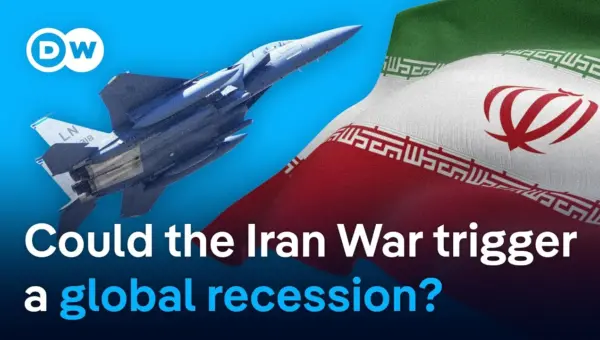
Global Economy Faces Deep Uncertainty Amid Middle East War
World financial leaders are gathering amid growing fears of a global economic crisis. The conflict in the Middle East is creating significant uncertainty, disrupting supply chains and rattling energy markets. The IMF warns of a potential sharp slowdown, with growth possibly falling to levels seen only during major global recessions.


Trump Tax Cuts Failed Working Americans, Ex-Obama Aide Claims
Former Obama official Jim Messina argues that Trump's tax cuts primarily benefited the wealthy, failing to provide relief to average Americans struggling with rising gas and grocery prices. He suggests that while tax-free tips offer some help to specific workers, broader economic issues are more influential for most voters.
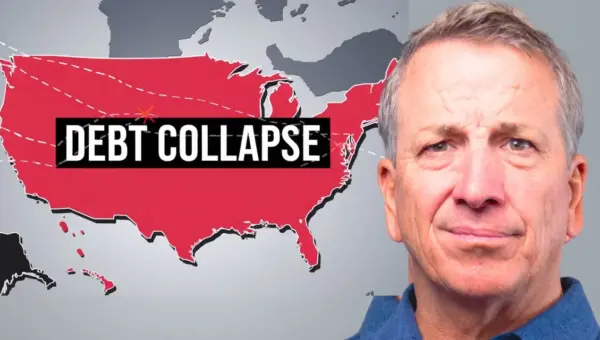
High Debt Forces Fed’s Hand, Paving Way for Rate Cuts
Massive U.S. debt is limiting the Federal Reserve's ability to fight inflation, potentially forcing interest rate cuts. This delicate balancing act risks higher inflation and impacts the real estate market, creating both challenges and opportunities.