Trump Tax Cuts Failed Working Americans, Ex-Obama Aide Claims
Former Obama official Jim Messina argues that Trump's tax cuts primarily benefited the wealthy, failing to provide relief to average Americans struggling with rising gas and grocery prices. He suggests that while tax-free tips offer some help to specific workers, broader economic issues are more influential for most voters.

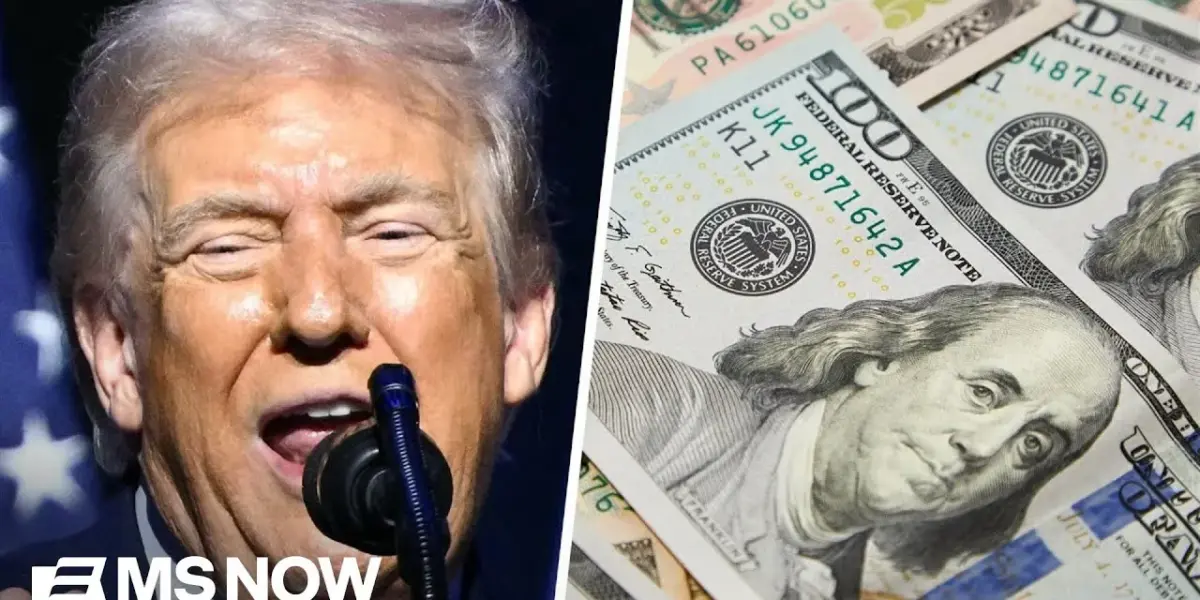
Trump Tax Cuts Missed Mark for Most Americans, Says Former Obama Official
A significant tax cut enacted under President Trump, intended to boost the economy and benefit all Americans, has primarily served the wealthiest individuals while failing to provide meaningful relief to ordinary citizens struggling with rising costs. This is the assessment from Jim Messina, former White House Deputy Chief of Staff for Operations under President Obama and campaign manager for Obama’s 2012 re-election.
The Rich Benefited Most, Not the Average Worker
Messina argues that the Trump tax cuts did not resonate with voters because the benefits were not widely felt. “You cannot sell a tax cut, especially this one,” Messina stated, highlighting that the top 1% of earners received more benefit than the entire bottom 80% of Americans. This disparity, he believes, makes it impossible to convince people that the cuts are improving their daily lives.
He pointed to a recent observation that President Biden’s approval ratings closely track the fluctuations in gas prices. “Gas prices are the number one factor moving voters right now,” Messina explained. Data indicates that 70% of voters, including 79% of independent voters, feel their taxes are too high. This widespread sentiment suggests that the promised benefits of the tax cuts have not translated into a better financial reality for most people.
Everyday Costs Outweigh Tax Returns
The economic reality for many Americans is that rising everyday expenses are eating up any potential gains from tax reductions. While the nonpartisan Tax Foundation estimated that tax returns could be up to $748 larger for some taxpayers, economists at Stanford University project that the average household will spend an additional $776 this year just on gasoline. This means that the increased cost of fuel alone could negate, or even surpass, the extra money received from a tax refund.
Messina drew a parallel to a tax cut implemented in 2009-2010 under President Obama. While intended to help average Americans, that tax cut offered little political advantage. “What they saw every day was how much their grocery prices were, how much they needed for his tax cut,” Messina recalled. He emphasized that the Obama-era tax cut also failed because it “only helped the wrong people” and was overshadowed by persistent inflation and high gas prices.
A Glimmer of Relief: Tax-Free Tips
Amidst the critique of broader tax policies, a specific initiative is showing promise for certain groups: eliminating taxes on tips. This policy, which has recently seen further guidance from the IRS, is being hailed as a significant help for workers in the service industry and other tipped professions.
Alex Tabat, reporting from Oakland Park, Florida, spoke with two waitresses, Hope and Andrea, at Peter Pan’s Diner. Combined, they have over 60 years of experience. They described the tax-free tips policy as a “game changer” that has provided much-needed relief. “It’s made a very big difference in my life. I’ve saved a lot of money for me. I was able to send my grandsons some money,” one waitress shared. She acknowledged that while gas prices remain a significant concern, the tax break on tips offers a tangible financial benefit.
Who Benefits from Tax-Free Tips?
The IRS guidance outlines several categories of workers who can benefit from the no-tax-on-tips policy. These include:
- Beverage and food service workers (waitresses, bartenders)
- Entertainment and event workers (musicians, DJs)
- Hospitality and guest services staff (concierge, housekeeping, bellhops)
- Home services workers (repair workers, groundskeepers)
- Personal services workers (event planners, photographers)
- Personal appearance and wellness workers (hair and makeup artists)
- Recreation and instruction professionals (tour guides, golf caddies)
- Transportation workers (Uber and Lyft drivers)
Is the Tax-Free Tips Message Enough?
Despite the positive impact on tipped workers, Messina expressed skepticism about whether this specific policy can be a winning message for broader political campaigns, particularly in upcoming elections. “I think it’s too narrow,” he stated. While acknowledging it as a good and bipartisan issue, he stressed that the concerns of most voters remain focused on widespread issues like gas and grocery prices.
“Voters, like the one waitress you showed, she talked about the gas pumps. She talked about the grocery prices, and that’s what a majority of Americans feel,” Messina explained. He concluded that while tax-free tips are beneficial for specific groups, 100% of workers are affected by the price of gas and groceries. These daily economic pressures, he believes, are what truly influence voters and will shape the political landscape in the current election year.
Looking Ahead
As the election season progresses, the effectiveness of tax policies in addressing the everyday financial concerns of American households will likely remain a central theme. While targeted relief measures like tax-free tips may offer some comfort, the broader economic sentiment driven by inflation and energy costs will be closely watched to see how it impacts voter decisions and shapes political outcomes.
Source: Trump's tax cut only helped 'the wrong people': Messina (YouTube)

Related Articles

High Debt Forces Fed’s Hand, Paving Way for Rate Cuts
Massive U.S. debt is limiting the Federal Reserve's ability to fight inflation, potentially forcing interest rate cuts. This delicate balancing act risks higher inflation and impacts the real estate market, creating both challenges and opportunities.

Oil Prices Surge to $91 Amid Geopolitical Tensions
Oil prices have surged to $91 a barrel, driven by disruptions in the Strait of Hormuz. This is leading to higher gas prices across the U.S., with California facing particularly steep costs. The situation is fueling debate on energy policy, exports, and the transition to renewable fuels.


Trump’s Trade Wars Fueled Inflation, Fed Report Claims
A new Federal Reserve report links Donald Trump's trade wars to increased inflation since January 2025. Economists claim prices would have fallen to pre-pandemic levels without these tariffs. This finding highlights the significant consumer cost of protectionist trade policies.