US Health Deals: Kenya, Zimbabwe Refuse Transactional Aid
The U.S. "America First" global health strategy is reshaping international aid with transactional bilateral deals, but has met resistance from nations like Zimbabwe and Kenya. Concerns over sovereignty, data privacy, and the terms of resource access are at the forefront of these rejections.

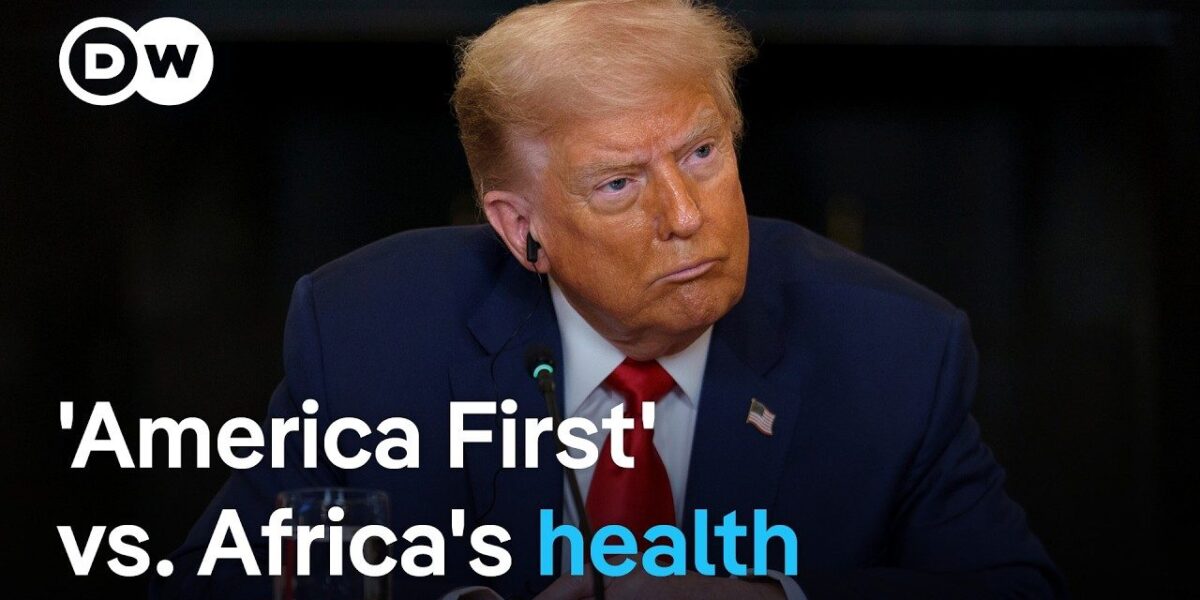
US Shifts Global Health Aid with Transactional “America First” Strategy
The United States, under the Trump administration, has significantly altered its approach to global health assistance, moving from decades of substantial donor funding to a more transactional model. This new “America First” global health strategy involves bilateral agreements that tie U.S. Funding to concessions from recipient countries, aiming to foster greater self-reliance and promote American health innovation. Secretary of State Mike Pompeo stated the strategy intends to “cast a positive vision for a future where we stop outbreaks before they reach our shores” through agreements that “promote our national interests while saving millions of lives.” As of recent reports, 17 African nations have signed these bilateral deals, potentially totaling $16 billion in aid over the current presidency.
Zimbabwe Rejects Deal, Citing Sovereignty Concerns
Zimbabwe stands out as the first nation to halt negotiations on the U.S. Health deal, citing concerns over its lopsided nature and potential compromise of national sovereignty. A leaked government letter from December revealed President Emmerson Mnangagwa’s directive to discontinue talks, deeming the proposed agreement “blatantly compromises and undermines the sovereignty and independence of Zimbabwe.”
“President Emmerson Mnangagwa has directed that Zimbabwe must discontinue any negotiation with the USA on the clearly lopsided deal that blatantly compromises and undermines the sovereignty and independence of Zimbabwe as a country.”
Nick Mangwana, a spokesperson for the Zimbabwean government, emphasized a desire for mutually beneficial, “win-win” agreements, stating, “We are putting Zimbabweans first.” He clarified that the halt in negotiations does not signify a diplomatic rift but rather a principled stance on transactional terms.
Data Sharing and Health Access: Zimbabwe’s Stance
Zimbabwe’s refusal stems from specific terms demanded by the U.S. That included access to the nation’s biological data over an extended period, without a corresponding guarantee of access to medical innovations. This data, potentially including pathogens and samples from Zimbabwean citizens, was intended for U.S. Research in developing vaccines and medicines.
Privilege Musariri, a correspondent in Harare, reported that Zimbabwean officials found the request for biological data to be unacceptable, leading to the government’s decline of the deal. The U.S. Embassy in Zimbabwe announced it would begin winding down its health assistance, impacting crucial programs like HIV/AIDS initiatives funded through PEPFAR, neonatal care, and research on antiretroviral drugs. The withdrawal of approximately $350 million in anticipated funds poses a significant challenge to these vital health services.
Despite the potential impact, many Zimbabweans have commended the government’s decision. Social media sentiment largely supports the stance against providing biological data without reciprocation, especially in light of the U.S. Withdrawal from the World Health Organization. While critics acknowledge Zimbabwe’s public health system’s reliance on donor funding, the perceived unfairness of the data-sharing terms has resonated with the public.
Kenya’s Legal Challenge and Data Privacy Concerns
Kenya was the first country to sign a bilateral health deal with the U.S. In December, but it quickly faced significant resistance. A few weeks later, a court halted the agreement due to a lack of parliamentary oversight and concerns over the clause allowing the sharing of Kenyan health data with the U.S.
President Uhuru Kenyatta had initially hailed the deal as a boost to universal health coverage, focusing on modern equipment, efficient delivery of commodities, and workforce enhancement. However, civil society groups and legal experts raised alarms regarding data privacy and national sovereignty.
“And in this particular case the argument is that data health data belongs to the individual not the state. It cannot be aggregated, cannot be collected, cannot be traded in, cannot be exchanged without the express consent of the affected individual.”
Two separate petitions led to the High Court’s injunction, arguing that the deal’s terms might contravene Kenya’s data privacy laws. Concerns were raised about accountability, particularly a clause granting U.S. Entities privileges and immunity, making it difficult to hold them accountable in Kenyan courts for any misuse of data.
While the government assured that data would be anonymized, some organizations, like Kellen, which works on legal issues surrounding HIV, still have reservations about recourse for Kenyan citizens if their data is compromised. The Kenyan government’s principal secretary for medical services explained that the U.S. Sought its own mechanism for data sharing, as it was no longer participating in international frameworks like the WHO.
Nigeria Signs Major Deal Amidst Transparency Questions
Nigeria has signed one of the largest bilateral health agreements, a five-year deal worth over $2 billion in U.S. Aid. The agreement aims to strengthen HIV, TB, malaria, and maternal and child health programs, with a notable emphasis on expanding Christian faith-based healthcare facilities, according to the U.S. State Department. In return, Nigeria committed to increasing its own health spending by nearly $3 billion, the most significant co-investment to date under the U.S. Strategy.
However, transparency questions have emerged. The official Nigerian government statement omitted a detail present in the U.S. Embassy’s release: the preferential treatment and dedicated $200 million funding for Christian-based faith clinics. This omission has drawn criticism, particularly from health experts and activists in northern Nigeria, a predominantly Muslim region.
Nigeria is highly dependent on U.S. Donor funding for its public health services, with the U.S. Being its top donor in the health sector. In 2025 alone, the U.S. Provided up to half a billion dollars for programs like PEPFAR and HIV/AIDS services.
Broader Implications and Future Outlook
The “America First” global health strategy, while securing agreements with 17 African nations including Burkina Faso, is also facing pushback in countries like Zambia. Critics in Zambia argue that the deals lack sufficient representation and include provisions for U.S. Access to mining and data that are not transparent enough.
The transactional nature of these agreements, where health funding is exchanged for access to resources like minerals or data, raises questions about the long-term implications for recipient nations’ sovereignty and data security. Experts like Steven Morrison note that while the model aims to address criticisms of past global health programs, uncertainties remain regarding aggressive timelines, corruption control, and the commitment of both the U.S. And partner governments.
The U.S. Department of State maintains that the strategy is designed to keep Americans safe by monitoring disease outbreaks and to further bilateral interests. The effectiveness and ethical considerations of these new bilateral health deals will likely remain under scrutiny as more details emerge and legal challenges, like the one in Kenya, proceed.
Source: 17 nations signed the US health deal — here’s why Kenya and Zimbabwe refused | DW News (YouTube)

Related Articles


Vance Stumbles as Empty Crowd Questions His Immigration Stance
Senator JD Vance's recent appearance at the University of Georgia was overshadowed by a sparse crowd and pointed questions about his immigration policies. A student's personal story about lengthy green card waits highlighted the gap between Vance's 'America First' rhetoric and the practical realities faced by legal immigrants.


Ex-USaid Official Blasts Trump Appointees Over Aid Cuts
A former top USAID official, Nicholas Enrich, warns that over 750,000 people, mostly children, have died due to foreign aid cuts spearheaded by Trump administration appointees. His new book, "Into the Wood Chipper," details how unqualified officials, ignorant of USAID's mission, dismantled vital global health programs.


Trump’s Promises Shatter: War and High Gas Prices Emerge
Donald Trump's promises of 'America First' and avoiding foreign conflict appear to be at odds with current events. Rising gas prices and significant military spending in the Middle East raise questions about his commitment to his own pledges. The situation is further complicated by his criticism of former allies who point out these contradictions.