Russia Targets Ukraine’s Infrastructure and Leadership
Russia is escalating its war against Ukraine by targeting civilian infrastructure like water and rail networks, alongside increased sabotage and potential assassinations. Experts suggest this strategy aims to crush Ukrainian morale, while political friction within the EU, particularly from Hungary, threatens unified support for Kyiv.

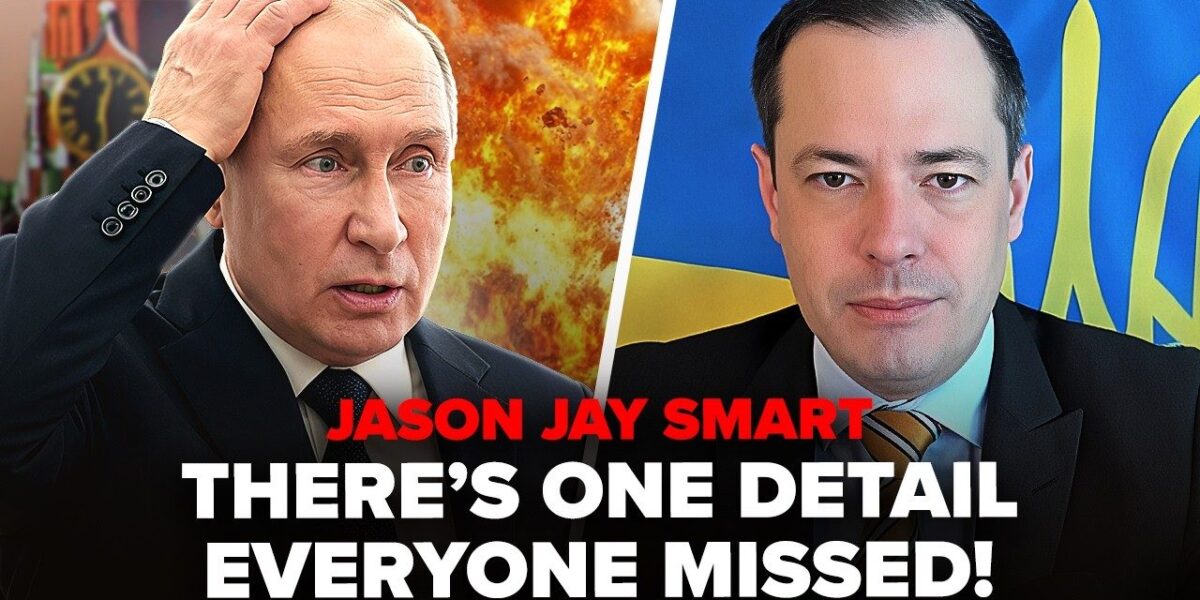
Russia Escalates Attacks on Ukraine’s Civilian Infrastructure and Leadership
In a significant shift of strategy, Russia has intensified its attacks on Ukraine’s civilian infrastructure, moving beyond energy targets to focus on water supply and rail networks. This escalation, coupled with a renewed focus on destabilizing tactics like sabotage and potential high-profile assassinations, signals Moscow’s deepening desperation as its military objectives falter. Experts suggest these actions are aimed at crushing Ukrainian morale and forcing capitulation rather than achieving battlefield victory.
New Russian Tactics: Targeting Water and Rail
The International Institute for the Study of War (ISW) reports that Russia is redirecting its missile strikes from energy facilities to critical water supply and rail infrastructure as winter wanes. This new offensive aims to cripple Ukraine’s ability to function, forcing the population to endure hardships related to water access and transportation. “We survived the winter without heat and light. Uh now we will be forced to survive the summer without water and transport infrastructure,” noted one analyst, highlighting the dire implications of this strategy.
Jason Jason, a respected commentator on international affairs, explained the underlying motive: “Russia is in the end of this all just not fighting war against Ukraine but against the population of Ukraine. That is it is committing gross violations uh and war crimes uh in Ukraine in order to accomplish the goal of trying to conquest the state.” He added that Vladimir Putin appears undeterred by past actions and is not seeking peace, but rather will continue to push forward with this form of terrorism.
Sabotage and Assassination: Destabilizing Ukraine
Beyond infrastructure, Russia is reportedly escalating a sabotage campaign designed to sow societal discord. A recent terrorist attack in Lviv, which claimed the life of a 23-year-old police woman and injured over 20 law enforcement officers, serves as a grim example. Analysts believe these ground-level attacks are intended to create pervasive fear and uncertainty among the civilian population.
“It creates uncertainty in the population. It creates anxiety and that shows very fundamentally how Russia operates. It understands that militarily it cannot win. So it has to have some sort of a gamechanger, some sort of a paradigm shift. And that’s why it does things try to create terrorism in the civilian population, whether it’s the lack of energy or water and these sorts of things or if it’s going to be just creating general fear in the society that at any moment something terrible could happen.”
The possibility of high-profile assassinations and mass casualty events, reminiscent of tactics allegedly used by the FSB during Putin’s 1999 election campaign, is also being considered. “I think both are very possible,” stated one expert. “I think that Russia at this point is going to do everything it can to destabilize the society. Keep in mind it cannot win militarily. So, it has to have something change. And one thing that could change is that the internal dynamic of Ukraine changes.”
Assassination Plots Against Zelenskyy
Concerns are also rising regarding Russia’s continued attempts to assassinate Ukrainian President Volodymyr Zelenskyy. Reports indicate that Russia has made multiple attempts to eliminate him since the full-scale invasion, including a plot where Russian agents rented an apartment near the president’s office. Experts believe these efforts will persist.
“Of course, they’ll continue to try to kill him,” asserted one commentator. “They view him as a threat. They view him as being somebody who’s in transient to their desire to occupy Ukraine or to negotiate giving up parts of Ukraine. And so, eliminating him would be to them a very natural solution.” The tactic is seen as consistent with how the Russian state deals with internal dissent, citing the fates of figures like Alexei Navalny.
Orban’s Obstructionism and EU Unity Concerns
Meanwhile, political tensions are escalating within the European Union over Hungary’s continued obstruction of sanctions and aid to Ukraine. Hungarian Prime Minister Viktor Orban has threatened to veto the EU’s 20th package of sanctions and withhold crucial financial aid until Russian oil transit through the Druzhba pipeline to Hungary and Slovakia resumes. This stance jeopardizes European unity in support of Ukraine.
Analysts suggest Orban’s actions are primarily driven by domestic political considerations, particularly upcoming elections. “He’s using this for his own political purposes and I think that’s a lot less about Ukraine and much more about him doing this entire show just because he thinks it’ll rally some sort of support for him in the elections which he’s losing and he wishes to use this for his political gain.” The sentiment that European elites are neglecting domestic concerns is also identified as a factor fueling populist leaders like Orban and Slovakia’s Robert Fico.
The potential consequences of this political turbulence are significant. “At this point, I think first and foremost for Hungary, I think nothing’s going anywhere,” said one expert. “I think that they’re doing this for political purposes for their domestic audience.” While acknowledging the pro-Russian leanings of some leaders, the primary driver is often seen as electoral gain rather than direct instruction from Moscow.
Internal Ukrainian Dynamics and Election Prospects
Within Ukraine, internal political dynamics are also evolving. The recent public exchange between former Commander-in-Chief Valeriy Zaluzhnyi and President Zelenskyy, with Zaluzhnyi reportedly accusing Zelenskyy of hindering the counteroffensive and facing intimidation, has been interpreted as political posturing. Experts suggest Zaluzhnyi may be positioning himself for a future presidential run, seeking to solidify his historical narrative.
The possibility of holding elections in Ukraine amidst the ongoing war remains a complex issue. While legally and physically feasible, it would require legislative changes. The notion that elections would benefit Russia is seen as a miscalculation, as potential candidates like Zaluzhnyi are not expected to alter Ukraine’s pro-Western foreign policy.
Divergent Views on Peace Negotiations
Reports of divisions within Ukraine’s negotiation team, with one faction favoring a swift peace agreement under U.S. leadership and another exhibiting less urgency, have also surfaced. However, experts caution against premature peace deals, emphasizing that Russia currently shows no genuine desire for peace and may view a cessation of hostilities as an opportunity to regroup and re-invade when Ukraine is weaker.
Looking Ahead: Putin’s Desperation and Ukraine’s Resilience
As Russia’s military gains stall and its strategy shifts to terrorizing the civilian population and targeting infrastructure, the situation points to increasing desperation. Putin’s plans for the spring appear focused on exacerbating Ukraine’s political, economic, and military challenges. The only perceived path to altering Putin’s course, according to analysts, lies in him fearing for his own regime’s security, potentially through sustained Ukrainian attacks within Russia. Meanwhile, Ukraine faces the dual challenge of enduring Russian aggression and navigating internal political currents, all while seeking continued international support to repel the invasion.
Source: 😱Kremlin wants to destroy Zelenskyy! Moscow has taken a fatal step. Here’s what awaits Putin next (YouTube)

Related Articles
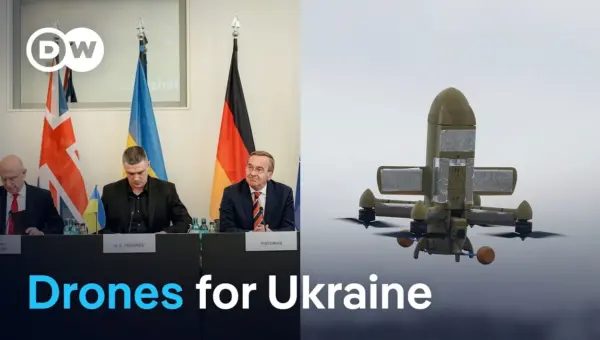
UK Pledges 120,000 Drones to Ukraine in Major Aid Package
Britain has pledged 120,000 drones to Ukraine, marking its largest aid package of its kind, during a meeting of the Ukraine Defense Contact Group in Berlin. The meeting highlighted both strong international solidarity and ongoing challenges in aid delivery, as Germany also boosts its own defense capabilities.

Russia’s War Costs Strain Putin’s Elite Bargain
Russia's prolonged war in Ukraine is straining President Putin's grip on power. Declining oil revenues and escalating military costs are forcing internal power shifts, with intelligence services reportedly gaining influence. This financial pressure is creating significant discontent among the elite and risking broader instability within the Kremlin.


Trump’s Allies Stumble, Exposing MAGA Movement’s Weaknesses
Recent events reveal cracks in the MAGA movement, from JD Vance's failed support for Viktor Orban in Hungary to disappointing Turn Point USA rallies. Trump's attacks on Pope Leo also alienate allies and expose strategic missteps. These challenges suggest a weakening of the movement's influence.