Trump Ousts Navy Chief Amid Deep Cabinet Divisions
Navy Secretary Richard Spencer has reportedly been forced out, signaling deep divisions within the Trump administration over military policy. Tensions with Iran have also escalated, with conflicts in the Strait of Hormuz and U.S. economic pressure. An expert believes Iran's resilience to sanctions makes U.S. strategy unlikely to succeed, predicting a prolonged standoff.

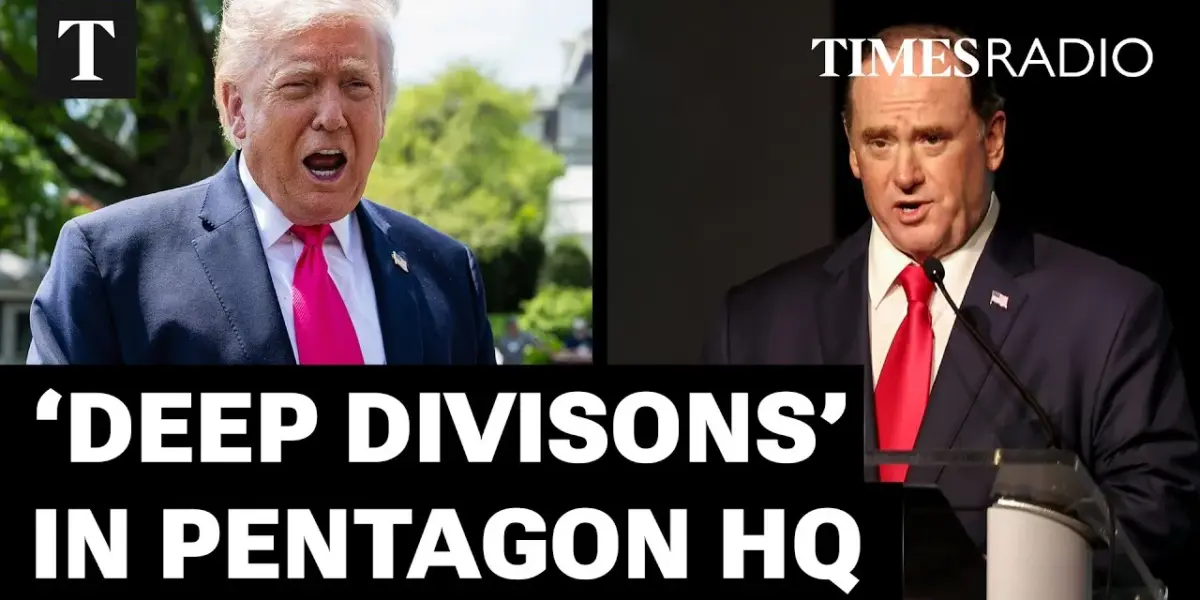
Navy Secretary Forced Out Amid Strains in Trump Administration
Navy Secretary Richard Spencer has reportedly been forced out of his position, a move that former U.S. Colonel Cedric Leighton describes as highly unusual. This departure comes at a critical time, especially with ongoing naval operations in the Persian Gulf and the Strait of Hormuz. Leighton suggests this signifies significant disagreements within President Trump’s cabinet, particularly concerning military matters.
The U.S. Navy plays a vital role in maintaining stability in key shipping lanes. The sudden exit of a top official like Spencer raises questions about the administration’s internal cohesion. Leighton pointed to a perceived lack of strong leadership at the Department of Defense under Secretary Mark Esper, which he believes is concerning given the U.S. military’s involvement in the Middle East.
Iran Tensions Flare as Strait of Hormuz Becomes Flashpoint
The situation in the Strait of Hormuz has intensified, with Iran claiming to have attacked and seized control of two tankers. Greece, however, disputes Iran’s account of the incident involving one of the tankers. Iran has stated it will not reopen the vital shipping route as long as the U.S. continues to blockade its ports.
White House Press Secretary Caroline Levit recently stated that the U.S. maintains control and leverage over Iran. She described the U.S. blockade as crippling Iran’s economy, both militarily and financially. The administration is awaiting Iran’s response to demands for new talks.
Questions Raised Over Military Strategy and Shifting Goals
Leighton noted that several senior military figures have left the administration. He believes this may stem from concerns within the military about how conflicts are being managed. President Trump’s tendency to frequently change the objectives of military actions creates significant planning challenges.
For example, the focus has shifted between targeting enriched uranium and addressing protests. These constantly changing goals make it difficult to develop effective military plans. This instability impacts everything from logistics to intelligence gathering, ultimately harming deployed forces.
Expert Skeptical of U.S. Pressure Strategy on Iran
The U.S. strategy of pressuring Iran economically through port blockades to force negotiations is unlikely to succeed, according to Leighton. He explained that Iran has decades of experience in circumventing sanctions and enduring hardship. The Iranian people and government have developed ways to cope with and work around such pressures.
“I’m afraid it’s not going to work, Carol. And the reason I say that is that this particular way of doing things fails to account for the fact that the Iranians are basically inured to a hardship.
They are able to work around it. They’ve been working around sanctions for decades and they also have the capacity to not only withstand some of the pressures that they’re seeing right now, but uh they also have ways of working around them or developing ways of working around these pressures.”
Leighton believes the White House press secretary’s assessment of the situation is too optimistic. He suggested that a better approach might have involved de-escalation, such as loosening the blockade in exchange for similar concessions from Iran. This missed opportunity, he feels, prevented a mutually agreeable step toward reduced tensions.
Stalemate Feared as Iran and U.S. Remain at Odds
Leighton anticipates a prolonged stalemate between the U.S. and Iran. He observes that Iran appears willing to wait out the current pressure, viewing it as a hardship they can endure. While this causes difficulties for the Iranian population, it allows them to maintain their current position.
The U.S. desire for a quick resolution, typical of American approaches to foreign policy, clashes with Iran’s more patient strategy. This difference in approach makes achieving a peaceful resolution, like reopening the Strait of Hormuz and preventing Iran from developing nuclear weapons, exceedingly difficult.
Future Outlook: A Protracted Standoff
Without a significant shift or escalation, the current standoff could last for months. The differing strategies and expectations of both nations suggest a complex and potentially lengthy period of tension. The U.S. faces the challenge of engaging a nation adept at weathering prolonged economic and political pressure.
The situation highlights the complexities of international diplomacy, particularly when dealing with nations that have different political systems and historical experiences with sanctions. The coming weeks will be crucial in determining if either side makes a move towards de-escalation or if the current impasse continues.
Source: Trump Sacks Key Military Staff Amid Cabinet Divisions Over ‘Military 'Decisions’ | Cedric Leighton (YouTube)

Related Articles

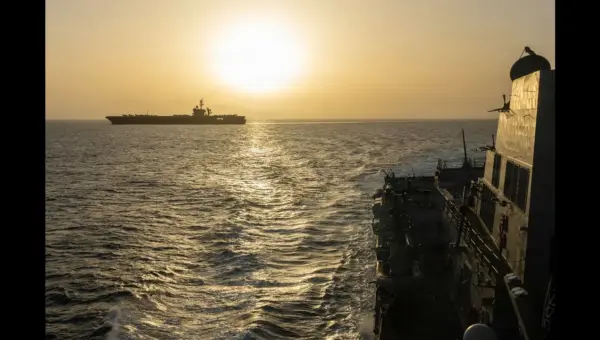
US Denies Iran Ships Breached Blockade
The US military has denied reports that Iranian-linked ships have bypassed an international blockade, stating its forces have intercepted nearly 30 vessels. Meanwhile, Iran seized two trade ships in the Strait of Hormuz, raising concerns among shipping executives about the safety of this vital waterway.

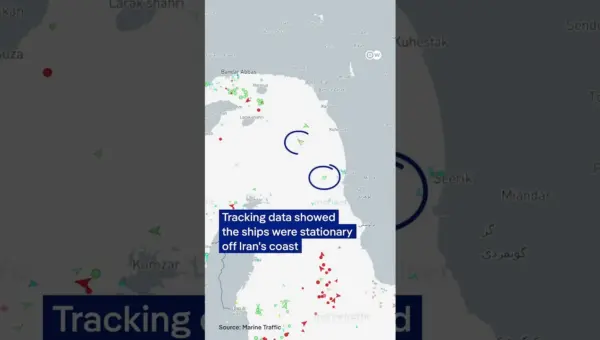
Iran Seizes Ships in Strait of Hormuz Amid Tensions
Iranian soldiers have seized two container ships in the Strait of Hormuz, a vital global shipping lane. Footage aired by state television shows the military operation amid heightened regional tensions. The incident raises concerns about maritime security and potential disruptions to international trade and energy supplies.
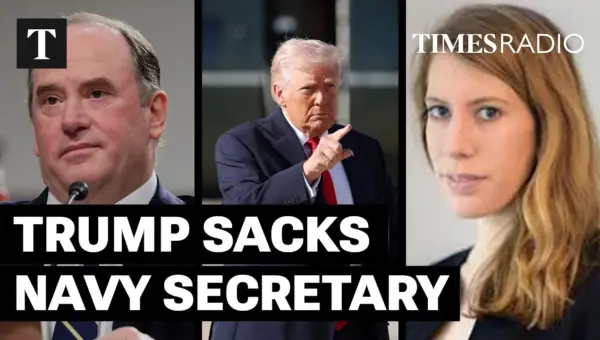
Navy Secretary Departs Amid Tensions with Iran
U.S. Navy Secretary John Felon is departing the Trump administration amidst escalating tensions with Iran and a standoff in the Strait of Hormuz. The move fuels speculation about internal disagreements over foreign policy as domestic pressures and criticism from media figures mount. The administration's strategy appears focused on economic sanctions to pressure Iran into negotiations.