Trump Risks Global Isolation Amid Economic Fears
As economic fears mount, the world may increasingly blame Donald Trump for potential global crises. Canada's move towards a more insular economy signals a potential global trend of nations seeking greater independence.


Trump Risks Global Isolation Amid Economic Fears
As the world grapples with economic uncertainty and potential fuel shortages, a critical question emerges: will Donald Trump face blame for a global recession and crisis? The idea that Trump might seek to assign blame is a recurring theme, but the current situation suggests a more complex reality where global perceptions of the United States could shift dramatically.
The possibility of a recession, widespread famine, and severe fuel shortages paints a grim picture. Imagine a scenario where basic travel becomes unaffordable, like the personal concern of affording a flight back home. This isn’t just about individual inconvenience; it speaks to a broader economic instability that could impact everyone.
The World’s View of Trump’s America
The notion that the world is already holding Trump accountable for these potential crises is a strong claim. It suggests that the United States, under certain leadership, risks becoming a pariah nation. While the U.S. currently maintains strong international business ties, this status is not guaranteed and can change.
History offers examples of nations altering their international relationships. Consider Canada’s potential shift towards a more insular economy. This could mean treating its southern neighbor less like a close ally and more like an independent trading partner.
Canada’s Economic Pivot
Canada’s approach might involve forging new trade agreements, potentially even with China, a country that has been a point of contention for Trump. This strategy aims to build a more self-sufficient economy, reducing reliance on cross-border trade.
The intricate web of North American auto manufacturing, where parts cross the U.S.-Canada border multiple times, highlights the deep integration that could be disrupted. Canada’s move could signal a global trend of nations seeking greater economic independence and diversifying their partnerships.
A Global Pullback?
This potential shift suggests a worldwide pullback from policies associated with Trump’s influence. It could also mean a lack of support for aggressive foreign policy actions, such as further actions against the Iranian government.
The implications are significant. A move towards a more insular global economy could reshape international trade, alliances, and geopolitical stability. Nations may prioritize domestic strength and regional partnerships over broad international cooperation.
Why This Matters
The potential for a global recession and fuel crisis, coupled with shifting international perceptions of the U.S., demands attention. How leaders navigate these economic challenges and manage international relations will determine the stability of the global economy for years to come.
The way countries interact economically and politically is constantly evolving. Understanding these shifts helps us prepare for a future where national interests might lead to more localized economic strategies rather than global interdependence.
Looking Ahead
The trend towards nations seeking greater economic autonomy is a significant development. This could lead to a more fragmented global market, with regional blocs becoming more prominent.
The future outlook suggests a world where countries are more cautious about their international entanglements, prioritizing resilience and self-sufficiency. This strategic reorientation could redefine global trade and diplomacy.
The coming months will be crucial in observing how these economic and political trends unfold. Nations will need to adapt to a changing global environment, and the decisions made now will shape the economic landscape for years to come.
Source: Will the world blame Trump for a global recession and fuel crisis? (YouTube)

Related Articles
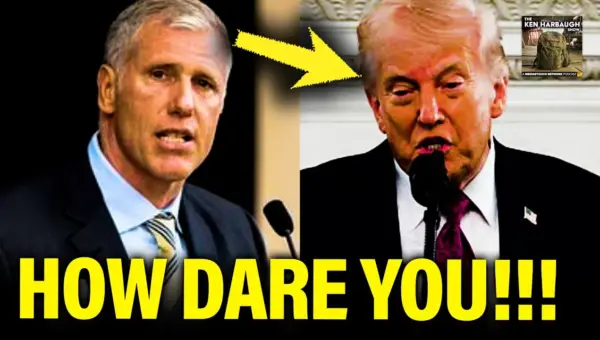
Trump Allies Misuse Faith, Offend Christian Base
Figures like Pete Hegseth and J.D. Vance, along with Donald Trump, are criticized for misusing religious language and symbols. Their actions, including a controversial prayer and lecturing the Pope, are seen as alienating Christian supporters and undermining faith traditions.

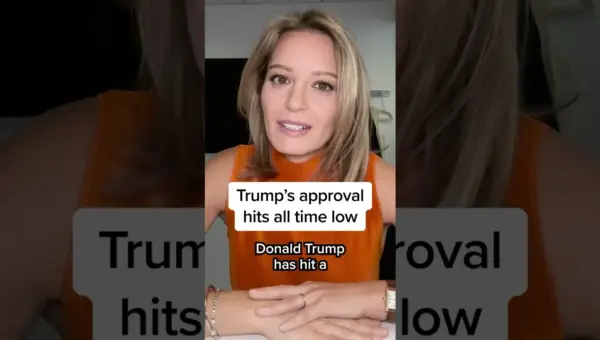
Trump Approval Plummets to Record Low Amid Voter Concerns
New polling data indicates Donald Trump's approval rating has fallen to its lowest point, hovering in the low-to-mid 30s. This decline is attributed to growing voter concerns over the economy, immigration, and foreign policy. The findings come at a critical time as the nation approaches the midterm elections.

Trump’s Iran Talks Stall, Supreme Court Rebuke, and Election Claims
Donald Trump's diplomatic efforts with Iran remain stalled, with the U.S. and Iran trading accusations of hypocrisy and unmet commitments. Meanwhile, Trump faced a Supreme Court rebuke over illegal tariffs, leading to ordered refunds that he allegedly threatened businesses against pursuing. The focus then shifted to Trump's claims of a "rigged" election in Virginia, even as redistricting plans in several states may lead to increased Democratic representation in Congress.