Faith Content Cost Influencer $25K Deal, Sparking Debate
Influencer Giselle Ugarte lost a $25,000 deal after a client asked her to avoid discussing her faith online. Her experience highlights the growing tension for creators integrating personal beliefs into their public content and the challenges of authenticity in the digital age.

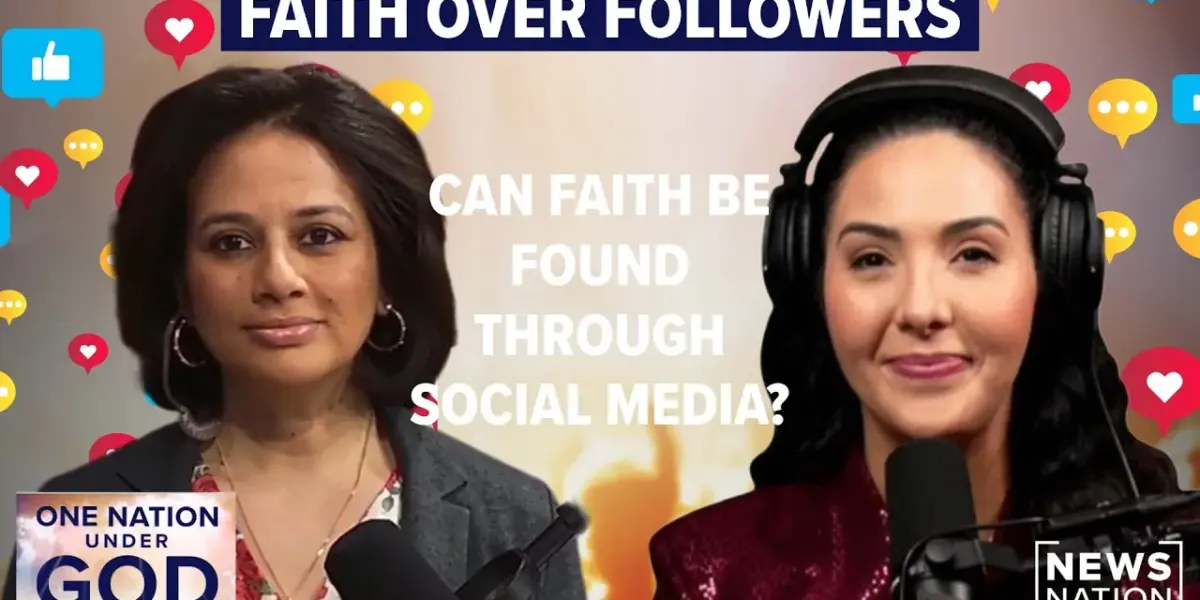
Influencer’s Faith Content Costs $25K Deal, Ignites Online Discussion
Giselle Ugarte, a seasoned performance coach, online content expert, and former TV host, recently shared a stark experience: her faith-based content led to the loss of a significant $25,000 job opportunity. This event highlights a growing tension for creators who choose to integrate their personal beliefs into their online presence, especially when those beliefs might clash with the expectations of brands or platforms.
Ugarte’s journey into online content began over 15 years ago, long before the term “influencer” was common. She initially used platforms like YouTube for practice, creating makeup tutorials and entertainment news clips to build a reel for traditional TV auditions. This early work unexpectedly led to collaborations with major brands like CoverGirl and an infomercial for Proactiv, which she acknowledges launched her television career.
At the time, Ugarte saw television as a far more prestigious medium than the internet. She couldn’t have predicted the current landscape where online platforms are central to media consumption.
Now, she has returned to YouTube, focusing on faith-based content. Her daily devotionals, short episodes combining scripture, lessons, and prayer, have garnered nearly a million views in their first 30 days on a new, from-scratch channel.
The Rise of Faith Content and Online Backlash
Ugarte’s recent focus is on her series, “She Wrestles With God.” This project digs into conversations about spirituality, religion, and the human experience. It aims to provide a space for people to disconnect from daily chaos and connect with something deeper, a sentiment she believes many are currently seeking.
The response has been largely positive, yet Ugarte acknowledges the online world’s inherent noise and criticism, particularly regarding religion. She has observed platforms sometimes flagging content, impacting its reach. For instance, some of her faith-focused posts on TikTok have received minimal views, leading her to shift more of this content to Instagram and YouTube.
This has led to a crucial question: can one truly find peace or deepen faith through social media, or is it a space that demands less time for genuine spiritual growth? Ugarte suggests that while social media can be a source of distraction, it can also be a tool for connection if used intentionally.
Navigating Authenticity and Online Perception
Ugarte emphasizes authenticity, encouraging people to find their true voice. However, she notes that social media often presents an idealized, inauthentic image. This creates a challenge for users trying to present genuine faith or personal struggles online.
She explains that losing followers after posting faith-based content isn’t always negative. For Ugarte, it’s a sign of growth, either by her or by those who unfollow. It helps clarify her audience and attract those genuinely interested in her evolving message.
Surprisingly, some individuals she expected to react negatively to her faith content have responded with gratitude. People who have had difficult relationships with religion, including those who were formerly atheist or escaped abusive religious situations, have found her approach gentle and approachable. This suggests a broader hunger for sincere spiritual exploration, even from those outside traditional religious circles.
The $25,000 Deal and the Cost of Belief
The $25,000 deal fell through when a potential client asked Ugarte if she could refrain from discussing God in her content. While she has previously agreed to similar requests, seeing it as a way to connect with people on a broader level, she is now at a point of transition.
She explained her past willingness to keep faith private, believing people could still sense her energy or discover her beliefs later. However, she is now leaning toward a stance where she will openly discuss her faith, accepting that some opportunities might be lost as a result. This shift represents a commitment to her authentic self, even at a financial cost.
Despite the lost opportunity, Ugarte has received private messages from CEOs and brands expressing gratitude and excitement for her faith content. These “whispers” of support indicate a hidden community that values her authenticity, even if public endorsements are rare.
The Power of Consumption and Creation
Ugarte advises managing online consumption, stating, “you are what you consume.” She believes mindless scrolling, driven by a search for dopamine, is a major issue. She encourages users to move beyond passive engagement, like simply liking posts, and toward active creation and meaningful connection.
She suggests setting boundaries, like time limits on phone usage or dedicated screen-free periods, such as a weekly Shabbat. This helps create a healthier relationship with social media before using it to connect with others.
Ugarte recommends engaging more deeply: commenting thoughtfully, sending direct messages, and using online interactions to build real-world relationships. This proactive approach, she finds, often leads to less overall phone use because users generate their own sense of connection and purpose, rather than passively seeking it from content.
Why This Matters
Ugarte’s experience highlights a critical point for creators and consumers alike: the tension between personal authenticity and professional or platform expectations. As more individuals integrate their values and beliefs into their online presence, they face potential backlash or lost opportunities. This situation highlights a broader societal conversation about whether faith and personal convictions can coexist with public-facing careers today.
The rise of faith-based content on platforms like YouTube and TikTok suggests a growing audience seeking meaning and connection online. However, the challenges Ugarte faced, including potential content flagging and the loss of a significant deal, reveal the risks involved. This conflict points to an evolving digital culture where personal identity and public performance are increasingly intertwined.
Ugarte’s insight into the nature of online authenticity – the difference between personal and private, and the potential for AI-generated content – encourages a more nuanced view of what we see online. It calls for both creators to be genuine and for consumers to approach content with grace and critical thinking, recognizing the complexities behind curated feeds.
Looking Ahead
The future for creators like Ugarte likely involves navigating these complexities. The demand for authentic, value-driven content appears strong, but the platforms and brands that support it are still catching up. Ugarte’s willingness to prioritize her faith and authenticity, even at a financial cost, may enable others to do the same.
As technology evolves, so too will the ways we connect and share our beliefs. The ongoing dialogue about online content, faith, and authenticity will shape how individuals build their brands and communities in the years to come. The next step for Ugarte and others like her is to continue fostering these conversations and building platforms where genuine expression is not only tolerated but celebrated.
The conversation about integrating personal faith into public online life is ongoing. Ugarte’s experience is a powerful reminder of the personal cost and potential rewards of staying true to one’s convictions in the digital sphere.
Source: Influencer: Faith content cost me a $25K deal | One Nation Under God (YouTube)

Related Articles


OnlyFans Boom: Is It Men’s Fault or a Moral Free-for-All?
The widespread participation on OnlyFans sparks debate about morality and capitalism. While some see it as a moral failing, others question government intervention and the definition of an objective moral order.


Influencer Exposes Congressman’s Abuse of Power
Influencer Ariel Foder, known as Mrs. Frazzled, exposed Congressman Eric Swalwell's alleged misconduct after years of rumors. Her actions, alongside other influencers, highlight a culture of abuse in Washington and the power of trusted online voices to drive accountability when traditional media and political parties fail.

Logan Paul Bets Big on Cards, Skips Stocks
Logan Paul revealed he holds no investments in stocks, preferring physical assets like trading cards. He admitted past stock investments resulted in losses. Paul's strategy involves using his online influence to boost the prices of collectibles he purchases.