Trump’s Iran War Gamble Backfires, Weakens Global Standing
Journalist David K. Johnston argues that President Trump's approach to the Iran conflict lacks strategy, leading to unpredictable outcomes and a weakened global position. The extended ceasefire quickly broke down, revealing Iran's upper hand and the potential for severe economic consequences worldwide.

Trump’s Iran War Gamble Backfires, Weakens Global Standing
Recent events surrounding the Iran conflict reveal a troubling pattern of erratic decision-making and a lack of clear strategy, according to journalist David K. Johnston.
While supporters may claim this unpredictability is a tactic, Johnston argues it’s a sign of deeper issues. The situation highlights how a leader’s personal style can have significant global consequences.
The extension of a ceasefire with Iran, initially presented as a diplomatic move, quickly dissolved. Within hours of the announcement, Iranian forces fired on commercial ships.
Meanwhile, the U.S. maintained its naval blockade, showing the conflict remained active. This suggests the ceasefire was merely a temporary pause, not a genuine step towards peace.
A Strategic Misstep
Johnston describes President Trump’s actions as a “massive U-turn,” contradicting his earlier threats to attack Iran if a deal wasn’t reached. This sudden shift suggests a lack of a long-term plan. Instead, Trump appears to be reacting to immediate pressures, a tactic Johnston calls “seat of the pants” decision-making.
Iran has been clear: they will not negotiate while under attack or facing blockades. These actions are seen as military acts, making peaceful talks difficult. Reports indicate Iran possesses thousands more missiles and drones than previously suggested, countering claims that their resources were depleted.
Iran Holds the Upper Hand
Analysts like Danny Sitrinovich of the Atlantic Council agree that Iran has the advantage. The ongoing U.S. blockade ensures continued friction.
Iran is likely to respond by increasing pressure on global shipping and economies. This dynamic makes escalation almost unavoidable.
From Iran’s perspective, they hold the leverage. If the U.S. wants escalation, Iran will respond.
To reach an agreement, the U.S. must accept Iran’s terms. The current situation makes reaching a deal incredibly challenging, especially since the U.S. is now trying to negotiate with a regime it previously sought to undermine.
Historical Context: The Obama Deal
The current situation is often compared to the 2015 Iran nuclear deal negotiated under President Obama. That deal aimed to limit Iran’s nuclear program through uranium restrictions, enrichment controls, and international inspections. Sanctions were lifted in exchange for economic relief for Iran.
Trump had the chance in February to secure a deal potentially better than Obama’s, even including American companies in developing Iranian oil fields. However, that opportunity seems lost. The current negotiations face significant hurdles, and any deal is likely to be less favorable than what was once possible.
Economic Fallout and Public Opinion
The conflict’s impact extends beyond diplomacy, affecting global economies and public opinion. Rising fuel prices are a direct consequence, with diesel and gasoline costs significantly higher. This economic strain is unlikely to be overlooked by voters, especially with upcoming elections.
President Trump’s approval ratings on the Iran war are particularly low, with a significant majority of Americans opposing his approach. This lack of public support could influence election outcomes, as voters express dissatisfaction with current policies and economic conditions.
Shifting Alliances and Growing Criticism
Even long-time supporters are beginning to voice criticism. Figures like Tucker Carlson and Candace Owens have expressed regret over supporting Trump. Marjorie Taylor Greene’s account of Trump’s lack of empathy regarding death threats to her son highlights a growing disillusionment within his base.
Johnston notes that Trump’s actions are burning bridges with key influencers on the right. This alienation could have significant political consequences. The lack of empathy and focus on personal gain, rather than genuine concern, is becoming increasingly apparent.
The Epstein Files Controversy
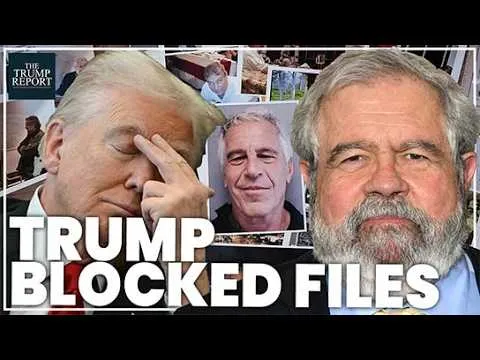
The discussion also touched upon the ongoing controversy surrounding the Jeffrey Epstein files. Marjorie Taylor Greene claims Trump personally blocked the release of these documents, fearing exposure of his associates. This contradicts his public statements labeling the issue a “Democratic hoax.”
Johnston suggests Trump’s interest in keeping these records secret stems from potential damage to himself and his inner circle. The continued resistance to releasing the files, despite legal obligations, fuels speculation about what they might contain and why they are being withheld.
Why This Matters
The situation in Iran, coupled with domestic political dynamics and the Epstein files controversy, paints a picture of a leader struggling with strategy and public trust. The lack of a clear plan in foreign policy can lead to unintended consequences, including economic instability and increased global tensions.
For the public, the implications are significant. Rising costs for essential goods, potential economic recession, and even famine due to disruptions in fertilizer supplies are serious concerns. The world is watching to see how these challenges will be managed and what the long-term effects will be on international relations and the global economy.
Future Outlook
The path forward remains uncertain. Trump’s unpredictable nature makes it difficult to anticipate his next move.
However, the current trajectory suggests continued conflict and economic hardship, both domestically and internationally. The potential for the U.S. to become a pariah nation is a serious concern.
As the situation evolves, the focus will likely remain on economic impacts, public opinion, and the ongoing controversies. The decisions made in the coming weeks and months will shape not only the Iran conflict but also the broader political and economic landscape.
“Donald is burning bridges left and right and he has no empathy. He is completely devoid of empathy.”
The upcoming months will be critical in determining the outcome of the Iran conflict and its ripple effects. Attention will be on whether a stable political endgame can be secured and how the global community will respond to the unfolding events.
Source: Trump ‘incompetent’ and cornered — Iran seizes control of the war | David Cay Johnston (YouTube)

Related Articles
Trump Extends Ceasefire, But Oil Prices and Strait of Hormuz Remain Tense
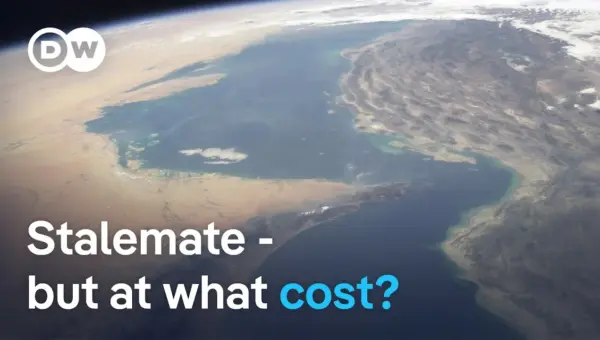
President Trump has extended a ceasefire with Iran, but the Strait of Hormuz remains a point of tension, impacting global oil prices. Experts suggest both sides have suffered losses, and the path forward requires de-escalation and confidence-building measures. Donald Trump's negotiating tactics have been criticized as aggressive rather than diplomatic.

Trump Reads Bible Verse Amid National Prayer Call
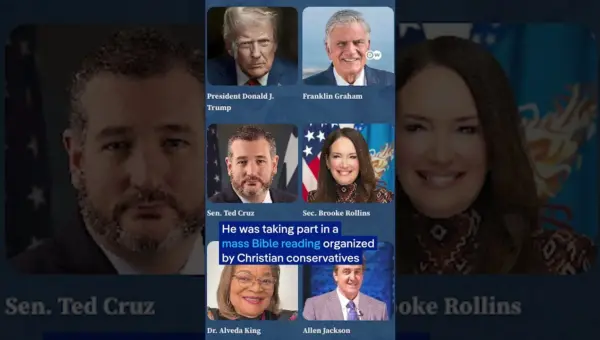
Former President Donald Trump recited a significant Bible passage, 2 Chronicles 7:13-14, during a national prayer call. The verse, which speaks of God healing the land after repentance, was part of a broader spiritual initiative. This event highlights the continued intersection of faith and public life in the United States.

Iran Escalates Tensions: Ships Bombed, Hostages Taken
Iran has escalated tensions by attacking multiple ships in the Strait of Hormuz, causing damage and possibly taking hostages. Mysterious explosions also hit an oil refinery in Iraq and security checkpoints in Iran. These actions occur despite a reported ceasefire extension, signaling a dangerous rise in regional instability.