US and Indonesia Boost Ties Near China’s Vital Oil Route
The U.S. and Indonesia have signed a major defense cooperation agreement, focusing on the Strait of Malacca. This move increases U.S. presence and surveillance in a key global oil shipping lane vital to China's economy.


US and Indonesia Forge Deeper Military Ties
The United States is stepping up its military cooperation with Indonesia. This new partnership focuses heavily on the Strait of Malacca, a crucial waterway for global trade. It’s one of the busiest shipping lanes on Earth, and a significant amount of the world’s oil travels through it every day. This move shows how important this narrow sea passage has become in the growing competition between the U.S. and China.
A Vital Lifeline for China
The Strait of Malacca connects the Indian and Pacific Oceans. Every day, around 23 million barrels of oil pass through this strait. By early 2025, this will represent nearly 30% of all oil traded by sea worldwide. A large portion of these oil shipments, almost half, are headed directly to China. This makes the strait a critical energy lifeline for China’s economy.
What the New Deal Means
The United States and Indonesia have officially upgraded their defense relationship. They are now calling it a “major defense cooperation partnership.” This agreement will lead to more joint training exercises between the two nations. They also plan to share and install new sensors. Furthermore, American surveillance technology will be integrated into their efforts. The main goal is to better monitor the strait and increase the U.S. presence in this strategically important region.
Officials state that the aim is to enhance maritime awareness and security across all the shipping lanes in Southeast Asia.
Strategic Timing and Regional Context
The timing of this agreement is significant. It comes just a month before a planned meeting between U.S. President Trump and Chinese leader Xi Jinping. This highlights the immense strategic value of the Strait of Malacca, especially as tensions remain high in other key areas like the Strait of Hormuz.
The U.S. has been steadily increasing its military exercises in the region for some time. Recently, the U.S. completed joint naval drills with both the Philippines and Australia. Looking ahead, another large-scale annual war game is set to begin soon. Notably, Japan will participate in these exercises for the very first time. This shows a broader effort by the U.S. and its allies to strengthen security and cooperation in the Indo-Pacific.
Why This Matters
This expanded cooperation between the U.S. and Indonesia directly impacts the geopolitical balance in Southeast Asia. The Strait of Malacca is not just an oil route; it’s a critical chokepoint for global commerce. Any disruption here could have significant economic consequences worldwide. By increasing its presence and cooperation with Indonesia, the U.S. aims to ensure freedom of navigation and project stability in a region where China’s influence is growing.
Implications and Future Outlook
This move signals a continued strategic focus by the U.S. on countering China’s expanding reach in the maritime domain. The integration of surveillance technology and joint training could enhance the ability of both nations to monitor activity in the strait. For China, this development underscores the importance of securing its energy imports and may lead to increased efforts to ensure access through the strait. Other regional players, like the Philippines and Australia, are also deepening their security ties with the U.S., suggesting a trend towards greater collective security arrangements in response to perceived challenges.
Historical Background
Maritime trade routes have always been vital for global powers throughout history. Control over key straits and sea lanes has often determined economic strength and military advantage. The Strait of Malacca has been important for centuries, facilitating trade between East and West. In recent decades, its role has grown even more critical with the rise of globalized trade and the increasing demand for energy resources, particularly from Asian economies like China and Japan.
Source: US Expands Military Cooperation With Indonesia Near Strategic Malacca Strait (YouTube)

Related Articles


Oil Prices Surge to $91 Amid Geopolitical Tensions
Oil prices have surged to $91 a barrel, driven by disruptions in the Strait of Hormuz. This is leading to higher gas prices across the U.S., with California facing particularly steep costs. The situation is fueling debate on energy policy, exports, and the transition to renewable fuels.


China’s Iran Gambit: Deception or a New World Order?
President Trump claims China will stop sending weapons to Iran, but deep skepticism remains due to China's past support and use of spy satellites to aid Iran. This move could be a strategic ploy to weaken the US military.
China Aids Iran Amid US Conflict Escalation
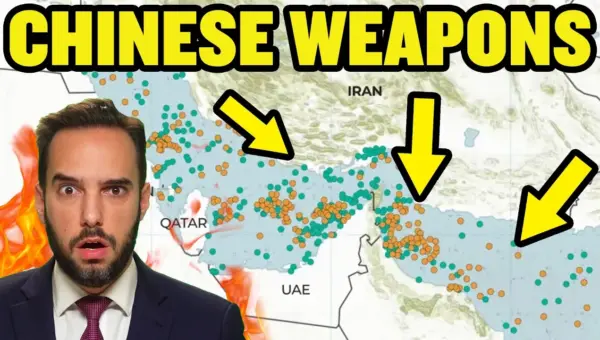
Recent intelligence suggests China is secretly supplying Iran with weapons like MANPADS and sharing critical intelligence, a significant escalation from its previous stance. This move, if confirmed, could deepen regional conflict and lead to severe US economic retaliation, while highlighting long-standing strategic ties between Beijing and Tehran.