Iran Loses $500M Daily as Strait Blockade Continues
Iran is reportedly losing $500 million daily as the U.S. maintains its blockade on Iranian ports. President Trump announced an extension of the ceasefire with Tehran, despite recent incidents involving Iranian gunboats in the Hormuz Strait. Meanwhile, Congress is grappling with funding for Homeland Security and progressing on digital asset legislation.

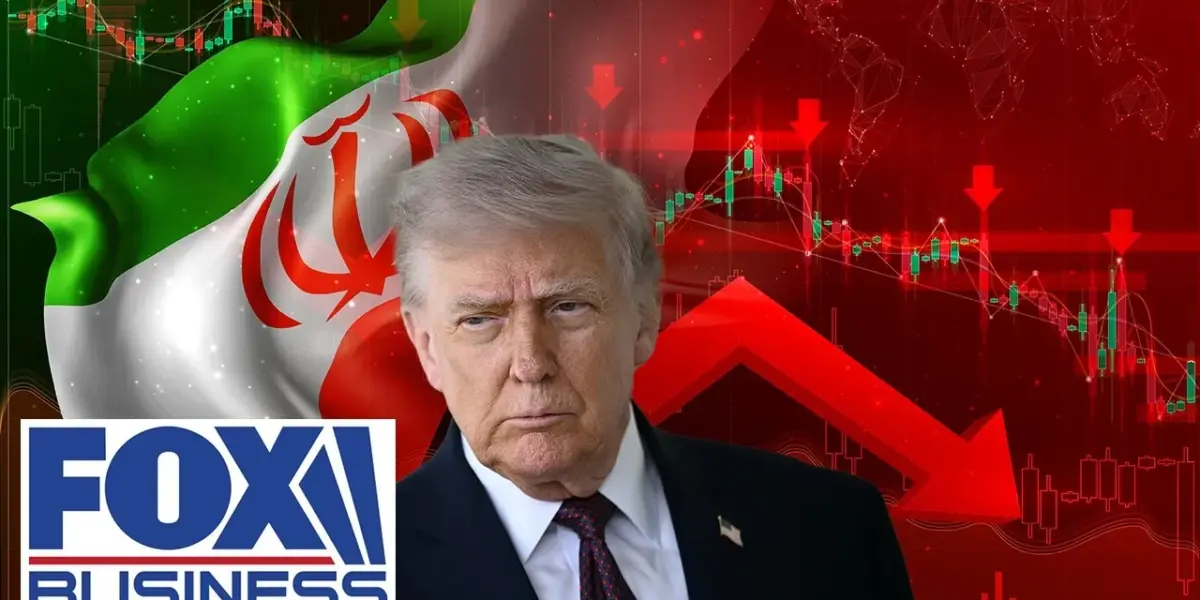
Iran Faces $500 Million Daily Hit as Strait Remains Closed
The United States is maintaining its blockade on Iranian ports, a move President Trump claims is costing Iran $500 million each day. The President stated on Truth Social that the regime is “starving for cash” as the Strait of Hormuz remains closed by U.S. forces.
This economic pressure comes amid renewed tensions in the region. Overnight, an Iranian gunboat reportedly fired on at least two ships in the Hormuz Strait, causing significant damage to one vessel’s bridge. The incident occurred shortly after President Trump announced an extension of the ceasefire with Tehran.
Sanctions Target Iran’s Financial Network
In parallel with the port blockade, the U.S. Treasury is imposing new sanctions. These measures target companies and individuals accused of helping Iran acquire weapons. Congressman French Hill, Chairman of the House Financial Services Committee, expressed his support for these actions.
“I support what the Treasury Secretary is doing,” Congressman Hill stated. He also mentioned his own bill to add sanctions on the United Arab Emirates (UAE). Hill explained that the UAE has served as a financial hub, or “banker,” for Iran.
China is a major buyer of Iranian oil, and Iran also acts as a key location for transferring weapons. These weapons support Russian efforts in Ukraine and various groups in the Gulf region.
Battle Over Homeland Security Funding Heats Up
The ongoing debate over funding for Homeland Security is also a major focus. Republicans are pushing for essential funding, arguing that Democrats refuse to support a secure border and law enforcement. To overcome this, they plan to use a process called reconciliation.
Reconciliation allows certain budget bills to pass the Senate with a simple majority, bypassing the need for broader support. “We’re here because Senate Democrats and Democrats in the House won’t vote to fund Homeland Security,” Congressman Hill explained. “They will not vote for a secure border, they will not vote for law enforcement in the country.”
The Department of Homeland Security (DHS) itself has warned that it could run out of money soon, potentially leaving employees unpaid. This situation is particularly concerning given the current global security environment. “It really does feel quite irresponsible not to have the Department of Homeland Security open and you’ve got to actually pay for it through a reconciliation package,” Maria, the interviewer, noted.
Potential for a Third Reconciliation Bill
The possibility of a third reconciliation bill under the current administration is also being discussed. However, this depends on finding ways to offset the spending, meaning identifying budget cuts or changes. Congressman Hill indicated that a third bill could be challenging to pass.
He expressed regret that reconciliation must be used for Homeland Security funding, as appropriation committees have already passed the necessary bills in the House. The focus remains on Democratic support for border security and funding the department.
Federal Reserve Leadership and Economic Outlook
The discussion also touched upon the Federal Reserve and its leadership. Kevin Warsh, a nominee for the Fed, faced tough questions from senators regarding financial disclosures and the independence of the central bank. Warsh called for a new approach to address persistent inflation.
Congressman Hill supports Warsh’s confirmation, calling him a “studied, thorough person with a great background.” He believes Warsh will be an independent voice on the Fed and is crucial for the President’s economic agenda. Hill also called for an end to the Justice Department’s criminal probe into Fed Chair Jerome Powell.
Concerns Over Fed Construction Costs
President Trump has expressed significant concern over the cost of construction projects at the Federal Reserve. He cited a hotel he built years ago for $201 million, finding it astounding that Fed construction costs could exceed $3.5 billion.
“This guy is a bad Chairman, really bad Chairman,” President Trump was quoted as saying about the Fed Chair. He also believes interest rates should be much lower. Congressman Hill suggested that with Warsh’s confirmation, interest rates might indeed decrease later in the year.
Impact of Strait Closure on Global Economy
The sustained closure of the Persian Gulf could impact the global economy, potentially causing prices to rise worldwide. However, Congressman Hill does not anticipate a prolonged closure lasting several months.
He believes President Trump’s actions are aimed at ending Iran’s nuclear and terror threats, working with allies to reopen the strait and bring peace. If successful, this would prevent a long-term negative impact on the economy this year. Hill also highlighted positive economic trends under President Trump, including tax cuts and regulatory policies aimed at promoting growth.
Progress on Digital Assets Legislation
Legislation concerning digital assets, including stablecoins, is also progressing. Congressman Hill has been working on the Clarity Act, which addresses stablecoin yield compromises. He is awaiting a decision from the Senate on the proposed text.
Senators have dedicated significant time to reaching a compromise on these issues. The goal is to send a bill to the President’s desk as soon as possible. Hill expressed optimism that the new language could provide a possible compromise regarding stablecoin yields, allowing for their use in purchases while managing rewards.
Looking Ahead
Congressman Hill is confident that Kevin Warsh will be confirmed to the Federal Reserve. He also reiterated the need for the DOJ to drop its criminal probe and for Congress to conduct oversight on Fed construction spending.
The legislative process for digital assets is ongoing, with efforts focused on reaching consensus and passing key bills. The upcoming weeks will be crucial for these legislative efforts and the ongoing economic and geopolitical developments.
Source: ‘$500 MILLION': Trump claims MASSIVE daily losses for Iran (YouTube)

Related Articles

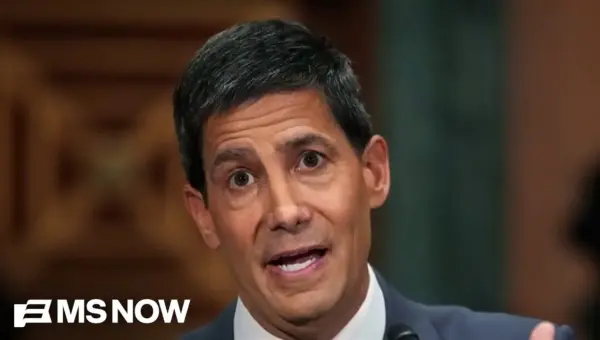
Fed Nominee Falters on 2020 Election Question, Faces Block
Kevin Warsh, President Trump's nominee for Federal Reserve chair, refused to confirm Joe Biden's 2020 election victory during a Senate hearing. This has led to strong criticism and a vow from Senator Tom Tillis to block his nomination. The incident raises questions about Warsh's independence and courage.


Iran’s Regime Faces Economic Collapse Amid Sanctions
Iran's regime is facing severe economic pressure from U.S. blockades and regional actions, costing it $500 million daily. Meanwhile, NATO allies are urged to increase defense spending amid rising Russian provocations.

Iran Faces Economic Strain Amid Blockade
Iran is losing an estimated $500 million daily due to ongoing blockades and sanctions, intensifying economic pressure. Meanwhile, the U.S. Congress is set for a marathon voting session to address critical funding for the Department of Homeland Security. Lawmakers are also introducing measures to combat government fraud, aiming to save taxpayers billions.