China’s Dark Secret: 27 Years of Persecution Emerge
Twenty-seven years ago, a peaceful protest in China sparked a brutal crackdown on Falun Gong. Thousands gathered to practice their faith freely but faced arrest, torture, and death. The persecution continues today, with confirmed deaths and disturbing reports of organ harvesting.


China’s Dark Secret: 27 Years of Persecution Emerge
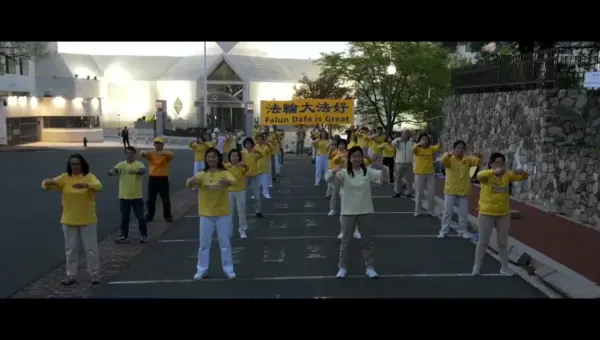
Outside the Chinese Embassy in Washington D.C., a somber gathering took place. Falun Gong practitioners came together to remember a peaceful protest from nearly 27 years ago. This event, on April 25th, 1999, was the start of a terrible crackdown across China.
On that historic day, more than 10,000 Falun Gong followers gathered peacefully. They stood outside the main offices of the Chinese Communist Party. Their goal was simple: to ask for the freedom to follow their beliefs during a time when the government was increasing its control.
Those who remember the April 25th event recall the calm and strong spirit of the Falun Gong practitioners. They showed great patience and a gentle nature. However, they could not have known that this quiet assembly would lead to a nationwide campaign of suffering.
Just months later, in July, the Chinese Communist Party began a harsh effort to destroy Falun Gong. They used lies and propaganda to make it seem like the April protest was an attempt to take over the government. This false story justified the terrible actions that followed.
Soon after, Falun Gong followers were arrested. They faced torture and even death simply for holding onto their spiritual practice. The stories shared are deeply personal and heartbreaking.
One individual described their family’s ordeal: “My mother was being held in a brainwashing center, my father in prison, and I was detained in a forced labor camp.” This highlights the widespread nature of the government’s actions against families.
Another account spoke of a family’s devastating loss. “Both parents and my friend’s three siblings were tortured to death, one after another.” These are not isolated incidents but part of a systematic effort to crush a peaceful group.
The persecution has not stopped; it continues to this day. Information from minghui.org, a source that tracks these events, confirms that over 5,300 Falun Gong practitioners have died. However, this number is likely much higher.
The Chinese government actively tries to hide the true scale of its cruelty. This makes it hard to know the full extent of the loss. Sadly, there are also disturbing reports of people being killed for their organs.
Why This Matters
The events of April 25th, 1999, and the brutal persecution that followed, reveal a dark side of the Chinese government’s control. It shows how a peaceful gathering can be twisted into a reason for widespread human rights abuses.
This situation raises serious questions about religious freedom and the treatment of minorities within China. The government’s use of propaganda to justify its actions is a tactic seen in many oppressive regimes throughout history. Understanding this helps us recognize similar patterns today.
The ongoing persecution of Falun Gong is a reminder that the fight for human rights is a continuous struggle. The courage of those who continue to speak out, even in the face of such severe repression, is important.
Implications and Future Outlook
The long-term impact of this persecution is immense. It has caused deep trauma for countless families and scattered communities worldwide. The efforts to silence Falun Gong also affect the flow of information about human rights in China.
For the Chinese government, the continued suppression aims to maintain absolute control and prevent any challenge to its authority. However, the international attention drawn by groups like Falun Gong can create pressure.
The future outlook depends on continued awareness and international advocacy. As long as these stories are told and remembered, the hope for change and justice persists. The world watches to see if accountability will ever be achieved.
Historical Context
In the late 1990s, Falun Gong experienced a surge in popularity in China. Its gentle exercises and focus on truthfulness, compassion, and tolerance attracted millions. This growth, however, was seen as a threat by the Communist Party, which seeks to control all aspects of society.
Before 1999, there were signs of increasing government unease with Falun Gong’s independent organization and large following. The April 25th appeal was a direct response to escalating pressure, including bans on publications and increased surveillance.
The government’s reaction was swift and severe. The crackdown on Falun Gong became one of the most significant human rights campaigns of the late 20th and early 21st centuries. It set a precedent for how the CCP deals with perceived internal dissent.
This history shows a pattern of the Chinese government prioritizing state control over individual freedoms. The methods used against Falun Gong, including propaganda, detention, and alleged organ harvesting, have drawn widespread international condemnation.
The memory of the April 25th appeal is a symbol of peaceful resistance. It is a reminder of the rights that were suppressed and the ongoing struggle for freedom of belief in China.
The next commemoration of the April 25th event will be held annually, continuing the tradition of remembrance and advocacy.
Source: Falun Gong DC Rally Commemorates Historic Peaceful Appeal in China (YouTube)

Related Articles

China’s Dark Secret: Peaceful Appeal Ignites Brutal Persecution
A peaceful appeal in China in 1999 sparked a brutal crackdown on Falun Gong practitioners. Over 10,000 gathered for freedom of belief, but faced arrest, torture, and even death. The persecution continues today, with disturbing reports of organ harvesting.


China’s Organ Trade: A Global Threat We Can’t Ignore
China's alleged "industrialized killing" for organ harvesting is more than a distant human rights issue. This systematic practice, potentially targeting prisoners of conscience, raises global ethical concerns and hints at geopolitical implications. The West must confront its potential complicity and the erosion of human dignity this system represents.


China’s Organ Harvesting: A Grim Reality Gains Attention
A chilling report reveals China's alleged forced organ harvesting from prisoners of conscience, including Falun Gong practitioners and ethnic minorities. Despite growing awareness, the international response remains muted, raising serious ethical and human rights questions.