Health Secretary Defends Policies Amid Senate Scrutiny
Health Secretary Robert Kennedy testified before the Senate, defending the Trump administration's healthcare policies, including Medicaid reforms, rural healthcare investments, and prescription drug initiatives. The hearing saw sharp disagreements with Democratic senators over vaccine policies, drug pricing transparency, and the impact of healthcare cuts.

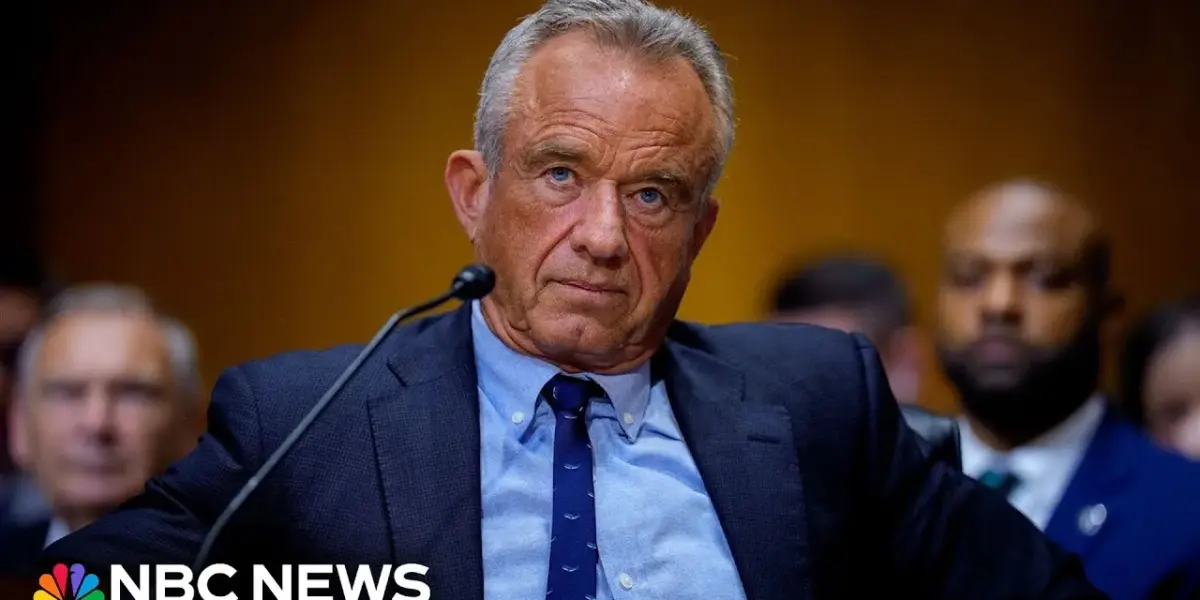
Health Secretary Testifies on Trump Administration’s Healthcare Agenda
U.S. Health Secretary Robert Kennedy appeared before a Senate committee on Wednesday to discuss the Trump administration’s healthcare policies and the proposed 2027 budget for the Department of Health and Human Services (HHS). The hearing, marked by sharp exchanges with Democratic senators, focused on issues ranging from Medicaid reforms and prescription drug costs to rural healthcare investments and vaccine policies.
Reforms Aimed at Medicaid Sustainability and Taxpayer Savings
Secretary Kennedy highlighted legislative changes designed to ensure the long-term stability of Medicaid. These reforms include stricter eligibility rules, such as prohibiting coverage for certain non-citizens and removing beneficiaries who are deceased, enrolled in multiple states, or own significant assets. The law also requires individuals capable of working or attending school to do so to remain eligible for Medicaid, a measure framed as a common-sense reform to prevent financing gimmicks and save taxpayers hundreds of billions of dollars.
“These common sense reforms along with policies to prevent financing gimmicks will save taxpayers hundreds of billions of dollars and ensure Medicaid’s long-term sustainability,” Kennedy stated. He emphasized that these changes aim to ensure program funds reach those genuinely in need.
Expanding Access and Choice in Healthcare
The administration’s healthcare blueprint also includes expanding access to Health Savings Accounts (HSAs), empowering patients to make their own healthcare choices rather than relying solely on insurance companies. Individuals with high-deductible health plans will also benefit from expanded telehealth services, which can now be used without meeting minimum out-of-pocket payments. These initiatives are part of an effort to give Americans greater control over their healthcare decisions and costs.
Significant Investment in Rural Healthcare
Republicans have made a substantial $50 billion investment in rural healthcare through the Rural Health Transformation Program. This program, which began distributing funds to all 50 states this year, aims to strengthen rural healthcare workforces, invest in new technologies, and promote preventive health interventions. Secretary Kennedy noted that states are using these funds creatively, with many applications focusing on using artificial intelligence for diagnostics and management, expanding telehealth services, and supporting residency programs and workforce recruitment.
“We’ve lost more than 120 hospitals in rural areas since 2010,” Kennedy said, highlighting the critical need for such investments. “When they lose that hospital, they’re not just losing access to proximate healthcare. They’re also losing the greatest economic driver in many of these communities.”
Addressing Prescription Drug Costs and PBM Reforms
The hearing addressed reforms to the prescription drug supply chain, particularly focusing on Pharmacy Benefit Managers (PBMs). A bipartisan law aims to end incentives that lead PBMs to steer patients toward more expensive drugs or vertically integrated pharmacies. Secretary Kennedy expressed his commitment to continuing efforts against anti-competitive consolidation in the pharmaceutical industry.
However, Senator Ron Wyden criticized the administration’s approach to drug pricing, particularly the secrecy surrounding deals with pharmaceutical companies. “The details, the important facts about these deals are totally secret,” Wyden argued, demanding transparency. Kennedy defended the confidentiality of these agreements, citing proprietary information and trade secrets, and noted that the Inflation Reduction Act included provisions requiring Non-Disclosure Agreements (NDAs).
Controversy Over Vaccine Policies and Misinformation Claims
A significant portion of the hearing involved sharp disagreements regarding vaccine policies. Senator Wyden accused Secretary Kennedy of promoting anti-vaccine views and attempting to undermine public trust in vaccines. He cited reports of Kennedy’s travel to Samoa to promote his views and alleged that Kennedy lied to Congress about his statements on children’s health treatments.
“The rank hypocrisy of the Trump administration on health can be summed up in a sentence: goodies for those at the top while American families get sicker and poorer,” Wyden stated. He also claimed that Kennedy had presided over significant cuts to healthcare that led to hospital closures and job losses, a charge Kennedy denied, calling it an “absurd claim.”
Secretary Kennedy pushed back against these accusations, defending his department’s handling of the measles outbreak and stating that vaccination levels dropped during COVID-19 because people lost trust in the government. “I am here to restore that trust,” he asserted. He also addressed the Hepatitis B vaccine recommendation, stating that it is given to newborns on day one to prevent a serious lifelong illness.
Focus on Prevention, Nutrition, and Patient Empowerment
Despite the contentious exchanges, both sides acknowledged the importance of prevention and nutrition in healthcare. Secretary Kennedy highlighted HHS’s new dietary guidelines, which emphasize whole foods, and initiatives to expand nutrition education in medical schools. Over 50 medical schools have committed to providing at least 40 hours of nutrition education, a significant increase from previous levels.
“We’re expanding the number of medical schools,” Kennedy confirmed when asked about building on this progress. “There’s already many many others that have signed on since the original 54.” He also noted efforts to improve hospital food quality and drive good nutrition through federal programs like WIC and SNAP.
Looking Ahead: Continued Efforts and Oversight
The hearing concluded with acknowledgments of ongoing work and the need for continued collaboration. Senator Scott of South Carolina thanked Secretary Kennedy for HHS’s assistance during a significant measles outbreak in his state and expressed hope for a swift resolution. He also advocated for the Predict Act, which aims to expand wastewater surveillance for early disease detection, and Secretary Kennedy committed to working with him on this initiative.
The discussions highlighted the administration’s stated goals of making healthcare more affordable, accessible, and patient-centered, while critics raised concerns about transparency, the impact of policy changes on vulnerable populations, and the integrity of public health messaging. Future actions will likely involve continued oversight from Congress and the implementation of the administration’s proposed budget and legislative priorities.
Source: LIVE: Secretary Kennedy testifies at Senate hearing | NBC News (YouTube)

Related Articles

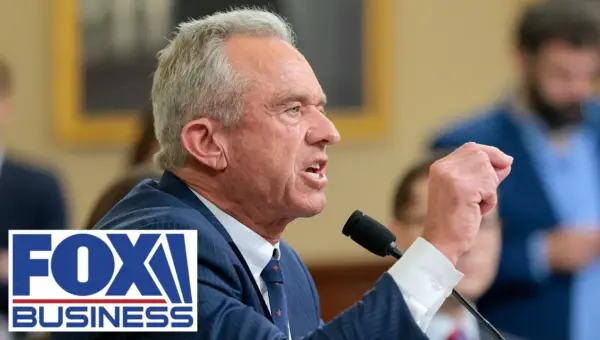
Senate Grills RFK Jr. on Trump’s $2027 HHS Budget
The Senate grilled Health and Human Services Secretary Robert F. Kennedy Jr. on the Trump administration's 2027 budget, debating reforms to Medicaid, rural healthcare investments, and prescription drug pricing. Sharp disagreements arose over vaccine policies and transparency with pharmaceutical companies, while consensus emerged on prioritizing nutrition and preventive care.
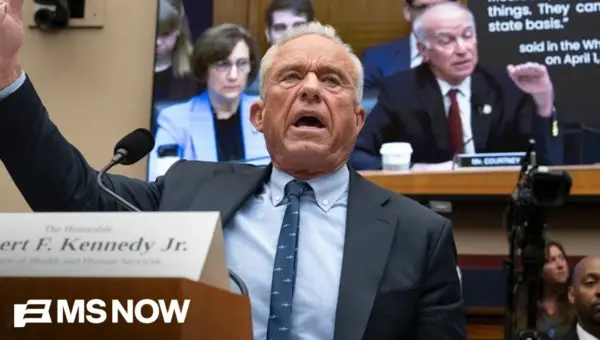
Trump Taps Vaccine Advocate to Lead CDC, Shifting from Skepticism
President Trump has nominated Dr. Erica Schwartz, a vaccine supporter and former COVID-19 response official, to lead the CDC. This move signals a potential shift away from vaccine skepticism within his political circle. However, experts like Dr. Chris Pernell express cautious optimism, emphasizing the need for vigilance due to ongoing concerns about leadership influenced by anti-science views.


New CDC Chief Faces Trust Crisis Amid Disease Resurgence
Dr. Erica Schwarz has been nominated to lead the CDC amid a measles resurgence and significant leadership instability. Her confirmation hinges on her ability to restore public trust and protect scientific independence from political pressure.