BMW i7 LCI Electrifies Luxury With Major Updates
The refreshed BMW i7 LCI arrives with a significantly upgraded battery, faster charging capabilities, and a new iDrive X system. It aims to elevate the luxury electric sedan experience, addressing past concerns while maintaining its opulent interior.

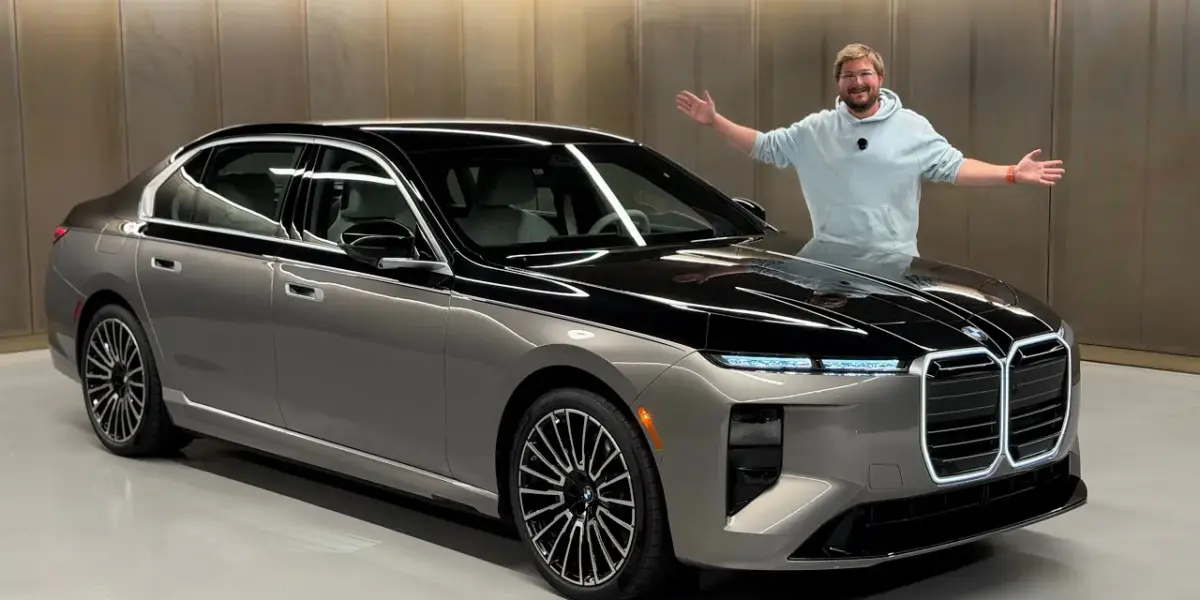
BMW i7 LCI Electrifies Luxury With Major Updates
The updated BMW i7, codenamed LCI, arrives with significant changes, aiming to address past shortcomings and push the boundaries of electric luxury sedans. While the exterior styling sees subtle tweaks, the real story lies beneath the surface, with a completely new battery, updated electrical architecture, and a refined digital experience. This refresh aims to solidify the i7’s position as a top-tier luxury electric vehicle.
Battery and Charging Get a Boost
One of the most significant upgrades is the new battery pack, now offering a usable 115 kilowatt-hours for US models, a substantial increase from the previous generation. This new Gen 6 battery cells, developed with Rimats, promises better performance and reliability. BMW has also addressed the previous i7’s charging issues, which often saw power derating during DC fast charging sessions.
The new i7 boasts a 400-volt system architecture, but with a dramatically increased current capability of 630 amps. This allows for a peak charging rate of up to 250 kW, enabling a 10% to 80% charge in a claimed 28 minutes.
While this is a big step forward, the current lack of widespread charging infrastructure capable of delivering 630 amps means drivers will have to wait for future charging stations to fully utilize this capability. The car also features improved thermal management, leading to faster preconditioning and more consistent charging speeds, even with route planning.
Performance and Drivetrain Options
The i7 continues to offer multiple powertrain choices, focusing on the electric variants. The i750 xDrive provides around 450 horsepower, while the more potent i760 xDrive, featured here, delivers approximately 530 horsepower.
These figures offer brisk acceleration suitable for a luxury cruiser, with 0-60 mph times expected to be in the low 4-second range for the i760. BMW also uses efficient externally excited synchronous motors (EESM), which offer good highway efficiency by maintaining an optimized magnetic field.
Interior and Technology Refinements
Inside, the i7 remains a sanctuary of luxury, with a focus on passenger comfort and advanced technology. The cabin is exceptionally quiet, with BMW claiming significant improvements in noise, vibration, and harshness (NVH) levels.
The standout feature remains the optional BMW Theater Screen, a large display that folds down from the ceiling for an immersive entertainment experience. This generation also introduces the iDrive X system, bringing a more integrated and modern digital interface, including a panoramic display that spans across the dashboard for both driver and front passenger.
While the core luxury appointments are largely unchanged, the digital experience is a major step up. The new system offers enhanced connectivity, improved navigation with integrated charging stops, and features like digital key for phone access.
However, the controversial two-spoke steering wheel design persists, though buyers can opt for a more traditional round wheel through specific packages like M Sport Pro. The overall interior design prioritizes a serene and premium atmosphere, making it a compelling alternative to rivals like the Mercedes-Benz EQS.
Value Proposition and Target Buyer
The updated BMW i7 starts at just over $100,000 for the base model, with the i760 xDrive commanding a higher price point, likely in the $120,000+ range, depending on options. While expensive, it competes in a segment where luxury and technology are paramount. Compared to the Tesla Model S, which has seen fluctuating pricing and a less traditional luxury approach, the i7 offers a more refined and stately experience.
The target buyer for the i7 is someone seeking the utmost in luxury, comfort, and cutting-edge technology in an electric sedan. It appeals to those who value a quiet, smooth ride, a premium interior, and advanced infotainment.
For those who prioritize a traditional luxury sedan experience with the benefits of electric power, the i7 is a strong contender. The previous generation i7 has held its value well, suggesting good long-term desirability for the updated model as well.
Verdict
The BMW i7 LCI represents a substantial evolution of the electric luxury sedan. The improvements to the battery, charging, and digital systems address key criticisms of the outgoing model. While it might not be a ground-up EV redesign in the purest sense, the sheer amount of engineering effort poured into this refresh makes it a compelling option for those in the market for a high-end electric vehicle.
For buyers who primarily use their car as a luxurious cruiser and value the enhanced interior tech and comfort, the new i7 is a significant upgrade. However, for those who frequently road trip and rely heavily on charging infrastructure, the improved charging speeds and reliability are the most crucial advancements. While some may find it odd that smaller BMW EVs like the i3 sometimes outperform the i7 in certain EV metrics, the i7’s core mission remains delivering unparalleled luxury, a mission it now fulfills with greater electric prowess.
The next generation of BMW’s electric vehicles is expected to be even more advanced, but for a mid-cycle refresh, the i7 LCI delivers a robust package of improvements that make it a worthy contender in the luxury EV space. Availability of the new i7 is expected to align with the configurator launch, likely in the near future.
Source: The New BMW i7 LCI Has An Insane Amount Of Changes But I'm Not Sure It's Enough! (YouTube)

Related Articles


Lucid Teases Three New Models: A Bold Strategy
Lucid Motors is set to launch three new electric vehicles: the Cosmos, Earth, and a 'Stay Tuned' model. These new offerings aim to capture a wider audience beyond the luxury Air sedan, targeting different buyer profiles and market segments. The company hopes these models will boost sales and brand recognition.


Cadillac Optiq Arrives: A Surprisingly Capable Electric SUV
The 2025 Cadillac Optiq enters the electric SUV market with a bold design and a surprisingly accessible price tag. Starting around $56,000, it aims to challenge rivals like the Polestar 3 and BMW iX. Early impressions suggest a capable EV with decent range and performance, making it a strong value proposition for luxury EV buyers.

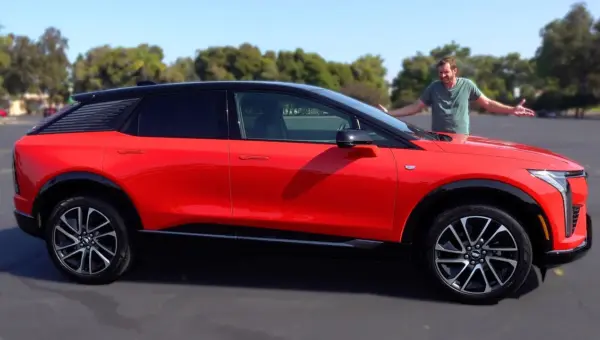
Cadillac Optiq: Surprisingly Competent Electric SUV
The 2025 Cadillac Optiq is a surprisingly competent electric midsize SUV offering good range, decent performance, and a competitive price. While it shares some design cues with its Chevrolet counterpart, its interior and feature set offer a more premium experience, making it a solid value proposition in the growing EV market.