Congresswoman Crockett’s Words Spark Fierce Debate
A recent political debate erupted over accusations that Congresswoman Jasmine Crockett hates white people. Supporters defended her, demanding specific proof and likening the claims to political manipulation. This highlights the ongoing, sensitive discussions about race and rhetoric in American politics.

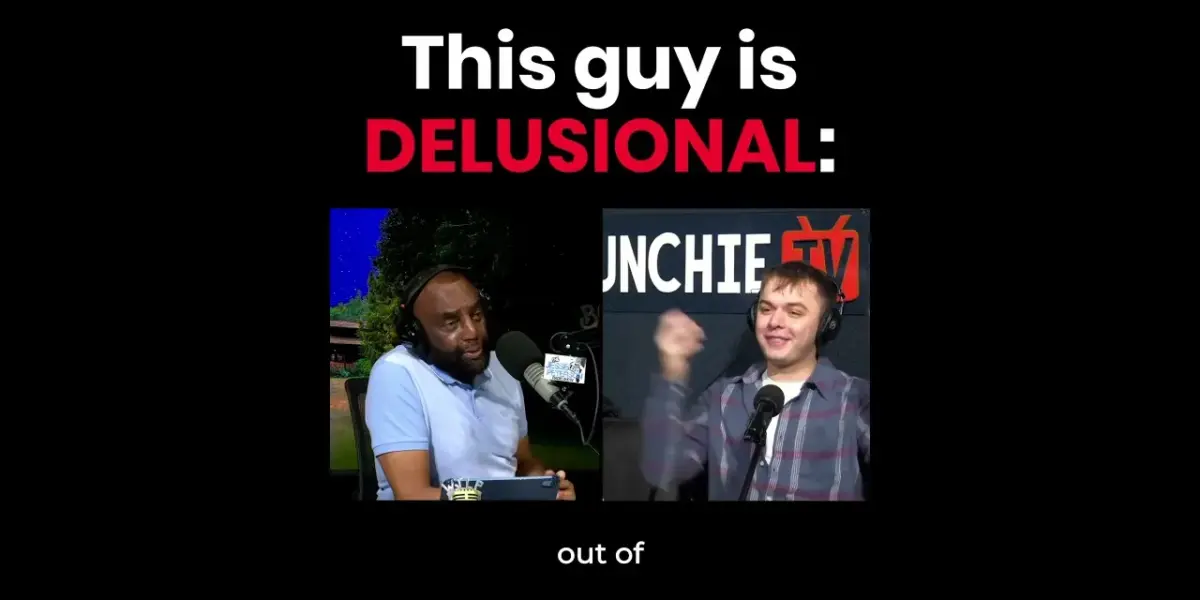
Reps. Clash Over Allegations of Racial Animus
A heated exchange on cable news has brought Congresswoman Jasmine Crockett into the spotlight. The discussion centered on accusations that the Democratic representative harbors ill will towards white people. This disagreement highlights broader tensions in political discourse and how language is interpreted.
The debate began with a strong statement suggesting Crockett “hates white people.” This assertion was immediately challenged by another participant, who defended the congresswoman. The defender asked for specific examples of Crockett expressing such hatred. Without a clear, immediate example, the accuser was pressed to name something concrete.
The Core of the Disagreement
The specific point raised involved a comment attributed to Crockett stating that “white people don’t love the black.” The defender of Crockett dismissed this as misinterpretation or taking things out of context, calling the accusation “grasping at straws.” This defense argued that the statement was not evidence of generalized hatred towards all white people.
To further illustrate the point, the defender brought up a past statement by Donald Trump. Trump reportedly said he “hates all Democrats.” The question was then posed: does Trump actually hate every single Democrat? This was used to suggest that strong political statements don’t always equate to personal, universal hatred.
Differing Interpretations
The conversation quickly devolved into a disagreement over the interpretation of Crockett’s alleged words and intent. One side maintained that Crockett’s statements clearly showed she hates all white people. The other side insisted this was a mischaracterization, arguing that the accusation was baseless and lacked evidence.
The defender labeled the accusation as “gaslighting,” implying it was an attempt to manipulate or deceive. This highlights how political rhetoric can be interpreted in vastly different ways, depending on one’s perspective and political alignment. The core issue is whether specific statements reflect deep-seated animosity or are political talking points.
Why This Matters
This exchange is significant because it touches on the sensitive issue of race in American politics. Such accusations, whether valid or not, can inflame divisions and make constructive dialogue more difficult. Understanding the nuances of political language is crucial for voters trying to make informed decisions.
The way political figures speak about different groups, and how those statements are received, can shape public opinion and influence election outcomes. It also raises questions about accountability and the standards we expect from our elected officials. Are strong, potentially divisive statements acceptable political tools?
Historical Context and Future Outlook
Discussions about race and politics are not new in the United States. Throughout history, political figures have used language to mobilize supporters and criticize opponents, sometimes by playing on racial or ethnic anxieties. This current debate echoes past instances where rhetoric has been used to draw sharp distinctions between groups.
Moving forward, it will be important to see how these kinds of accusations are handled. Will political figures be held to a higher standard of language, or will inflammatory rhetoric continue to be a common tactic? The public’s reaction to such exchanges will likely shape the tone of future political conversations.
The focus remains on how elected officials communicate and how their words are perceived by the public. The debate over Congresswoman Crockett’s statements is a reminder of the power of words in shaping political narratives.
Source: This Take Is UNBELIEVABLE (YouTube)

Related Articles

Congressman Slams Senator’s Iran Stance: ‘Cheer for US, Not Them’
Congressman Pat Fallon sharply criticized Senator Chris Murphy's recent social media post about Iran. Fallon argued that elected officials should support the U.S. and not appear to cheer for adversaries like Iran. The discussion also covered the resignation of a congresswoman facing fraud allegations.
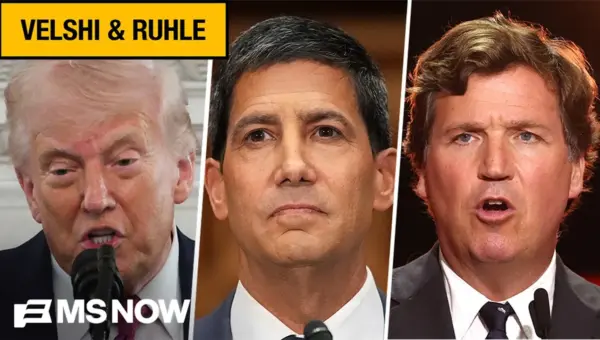
Trump’s Tariff Tactic: ‘Mob Boss’ Strategy Sparks Debate
Former President Donald Trump's alleged plan to offer tariff refunds in exchange for political support is drawing comparisons to 'mob boss' tactics. This strategy could reward allies and punish opponents, raising concerns about fairness in trade policy. The discussion also touches on potential developments involving Tucker Carlson and an extension of the Iran ceasefire.
Trump Faces Growing Backlash as Voters and Allies Turn Away
Donald Trump is facing a wave of disapproval as a new poll shows two-thirds of Americans disapprove of his actions. Prominent figures like Tucker Carlson have publicly distanced themselves from the former president, citing concerns over foreign policy and the economy. This growing backlash from voters and allies signals a critical challenge to Trump's political future.