Iran Talks Stall as Trump’s Rhetoric Hinders Peace Efforts
Iran has refused to join upcoming peace talks with the US, citing President Trump's "victory lap" rhetoric as a major obstacle. Despite an extended ceasefire, the US blockade of Iranian ports continues, further complicating diplomatic efforts. Both nations are currently claiming victory, creating a stalemate that impacts global stability and Iran's struggling economy.

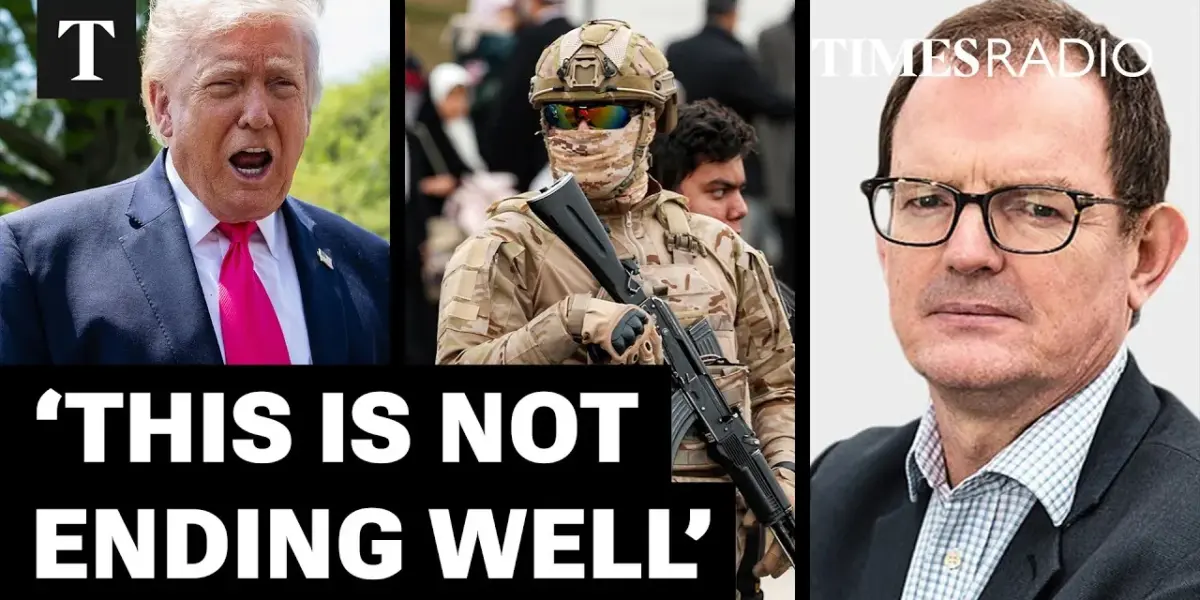
Peace Talks Collapse Amid Conflicting Claims of Victory
Hopes for peace talks between Iran and the United States have stalled, with Iran refusing to come to the negotiating table. This decision stems directly from President Donald Trump’s public statements, which Iran views as boastful and dismissive.
Foreign correspondent Richard Spencer reports that Iran feels these remarks, framing the situation as a victory lap and Iran’s defeat, create an unacceptable environment for dialogue. The planned peace talks in Pakistan, initially set for Monday, have been indefinitely postponed.
This breakdown highlights a significant disconnect between the two nations’ perceptions of the ongoing conflict. While Trump appears to believe he is successfully imposing his will on Iran, Tehran feels it has sufficient strength, including missile and drone capabilities, to avoid immediate surrender. This mutual belief in their own advantage is preventing any progress towards a resolution.
US Blockade Continues Despite Ceasefire Extension
Despite President Trump’s decision to extend a ceasefire, the United States continues its blockade of Iranian ports. Iran has made it clear that it will not engage in negotiations while this economic pressure remains in place. Spencer notes that both sides are currently claiming victory, and remarkably, they seem to genuinely believe these claims.
This situation creates a complex dynamic where neither side feels compelled to make concessions. Trump’s extension of the ceasefire, after initially threatening renewed bombing, is seen by some in Iran as a sign of yielding. However, the continued blockade signifies ongoing pressure, leaving both nations in a state of unresolved tension.
Economic Strain on Iran and Global Impact
The ongoing conflict and blockade are taking a toll on Iran’s economy, leading to rising inflation and shortages in shops. While Iran’s leaders might be able to withstand the economic hardship for a few more months, it will eventually impact their ability to rebuild military resources like missile arsenals. These vital industrial products require steel and oil, both affected by the blockade.
The global economy is also feeling the effects, with oil prices rising. However, Spencer points out that current oil prices, around $100-$110 a barrel, are not historically unprecedented and have been higher in recent years. While this impacts global markets, including mortgages, the situation with Iran presents a different level of concern if the conflict escalates further.
Internal Iranian Politics and Leadership
Understanding the Iranian leadership is key to grasping the current stalemate. While President Hassan Rouhani is seen by Trump as a potential deal-maker, Spencer explains that Rouhani is not the ultimate decision-maker. The true power lies with a group of hardline commanders within the Revolutionary Guard, who are close to Supreme Leader Ayatollah Ali Khamenei.
These hardliners appear to believe they can continue to hold out against US pressure. They have publicly stated that there is no prospect of resuming talks.
However, Spencer suggests that if Rouhani were given some political cover and a concession, or a ‘carrot,’ from the hardliners, a return to talks might become possible. The current rhetoric from Washington, however, makes this highly unlikely.
Uncertainty Surrounding Khamenei’s Son
There is significant uncertainty regarding the health and influence of Ayatollah Khamenei’s son, Mojtaba. Reports have been conflicting, with some suggesting he is in a coma or severely injured. However, the consensus from US and Israeli intelligence reports indicates he is conscious but badly injured, possibly losing the use of a limb.
Despite his injuries, intelligence suggests he does not wield the same decision-making power as his father. While he may be consulted or deferred to, he is not seen as the driving force behind Iran’s current policies. This internal dynamic further complicates the path to any potential resolution.
Looking Ahead: A Fragile Situation
The current situation remains highly precarious. President Trump’s actions have closed off diplomatic channels that were previously open, leading to a more hardline and militaristic stance within the Iranian regime. Whether this path will lead to a peaceful outcome is a deeply uncertain question.
The next few months will be critical. Iran’s ability to withstand economic pressure will be tested, while the US must consider the long-term consequences of its blockade and rhetoric. The possibility of future negotiations hinges on a shift in approach from both Washington and Tehran, particularly regarding the tone and conditions for dialogue.
Source: Iran Won't Come To The Table Until Trump Stops The Rhetoric | Richard Spencer (YouTube)

Related Articles
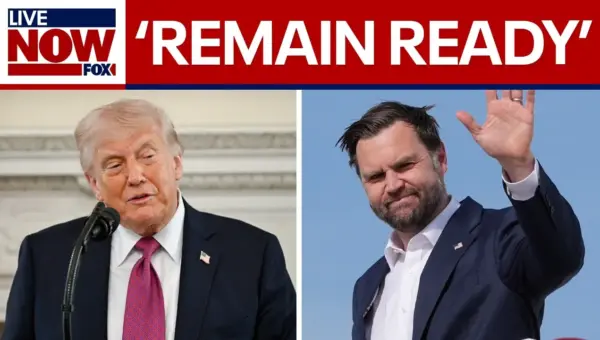
Trump Orders Military on Standby as Iran Ceasefire Extended
President Trump has placed the U.S. military on standby as a ceasefire with Iran has been extended. This decision comes amid complex negotiations, with Washington considering various strategies, including potential escalation, to address Iran's nuclear program and regional actions.

Americans Reject Trump’s Iran War Stance
A recent NBC poll reveals that 67% of Americans disapprove of Donald Trump's handling of the conflict with Iran, with 54% strongly disagreeing. This strong public opposition highlights a significant divide on foreign policy and raises questions about the administration's current strategy.
Trump’s TV Rant Reveals His Own Standards
Donald Trump's recent TV interview revealed a pattern of complaining about issues based on standards he himself set. From war timelines to tariff implications, his criticisms often contradict his past actions and statements. This analysis explores the self-imposed expectations that fuel his public commentary.