Senator Proposes New Student Loan Rules Amid Fraud Concerns
A new bill proposes requiring U.S. citizenship and a Social Security number for federal student loans, citing widespread fraud. Senator Tommy Tuberville argues the current system, which has accumulated $2 trillion in debt, is a disaster and advocates for a return to private lending.

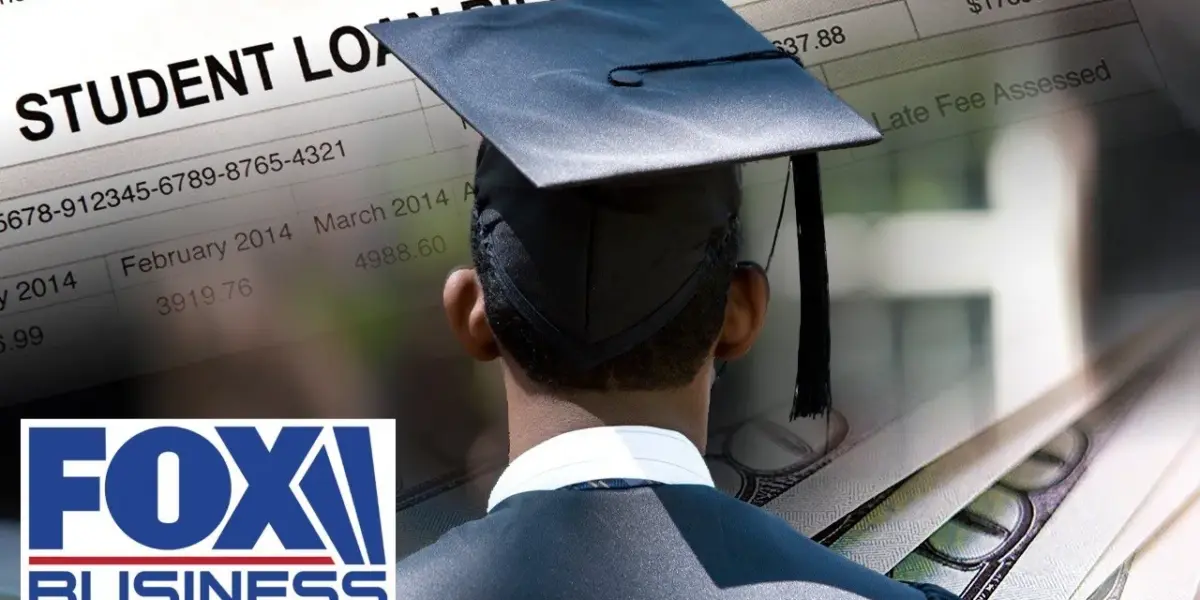
Senator Proposes Stricter Student Loan Rules
A U.S. Senator has introduced a bill aimed at preventing fraud in the federal student loan system. The proposal comes as concerns grow over the rising cost of higher education and the significant amount of student debt held by Americans. The current system, according to critics, has become a financial disaster.
Senator Tommy Tuberville, a Republican from Alabama, recently unveiled legislation that would require borrowers to be U.S. citizens with a Social Security number to qualify for federal student loans. This move seeks to address what he calls ‘nonsense’ and ‘fraud’ within the current student loan program.
Concerns Over Loan Program’s History
The senator pointed to the student loan program’s expansion since 2012, noting that former President Barack Obama’s administration shifted student loan lending entirely to the federal government. This change effectively ended private lending for student education.
Twelve years later, the U.S. faces a staggering $2 trillion in student loan debt owed by 45 million Americans. Senator Tuberville believes this situation is a direct result of the government’s involvement and a lack of proper oversight.
Allegations of Widespread Fraud
The proposed bill highlights concerns about individuals obtaining loans without intending to attend classes. These loans, it is argued, do not always go directly to universities but can be misused. This practice is seen as a significant drain on taxpayer money.
California alone reportedly lost $200 million to fraud in the student loan sector in 2024, illustrating the scale of the problem. The senator’s bill aims to create a more secure system by requiring background checks and verifying citizenship status.
Call for Return to Private Lending
Senator Tuberville advocates for a return to a system where students seek loans directly from private banks. He argues that government bureaucrats in the Department of Education lack the expertise to assess loan risks effectively, unlike traditional banking institutions.
He also suggested that not all students need to pursue four-year university degrees. Instead, he believes more emphasis should be placed on workforce development and job training programs, which could save taxpayer money and better prepare individuals for the job market.
Legislative Efforts and Political Climate
The senator mentioned past legislative efforts, including a bill that managed to cut student loan costs for master’s degrees. However, he expressed frustration that broader reforms have been difficult to achieve in the current political environment.
Discussions also touched upon other legislative priorities, such as funding for the Department of Homeland Security and potential budget reconciliation bills. The senator indicated that a smaller, more focused bill for homeland security funding might be prioritized before May.
What Investors Should Know
The debate around student loan reform highlights potential shifts in how higher education is financed. If stricter rules are implemented, it could affect the accessibility of federal loans for certain borrowers and potentially increase demand for alternative financing options.
The focus on fraud and government oversight could lead to greater scrutiny of educational institutions receiving federal funds. Investors in the education technology and private lending sectors may want to monitor these developments closely.
Senator Tuberville’s bill represents a significant effort to curb perceived abuses in the student loan system. The proposal’s progress through Congress will be a key indicator of future policy direction for federal student aid.
Source: Student loan 'nonsense' has been a disaster since 2012: GOP lawmaker (YouTube)

Related Articles

$100M Wasted on Empty NYC Preschools
New York City faces a $100 million cost for unopened preschools, sparking outrage over government waste. Meanwhile, a proposed tax on luxury second homes is criticized for potentially harming investment and lowering property values. Investors watch closely as budget negotiations could reshape the city's financial future.


Actor Ben McKenzie Exposes Crypto’s Golden Age of Scams
Actor Ben McKenzie's new documentary, "Everyone Is Lying to You for Money," exposes the pervasive scams within the cryptocurrency world. He argues that crypto has fueled a "golden age of scams," preying on people's hopes for quick wealth and community, mirroring historical financial fraud tactics. McKenzie details cases like Celsius and the failed "Bitcoin City" in El Salvador, highlighting the psychological drivers and deceptive language that ensnare investors.

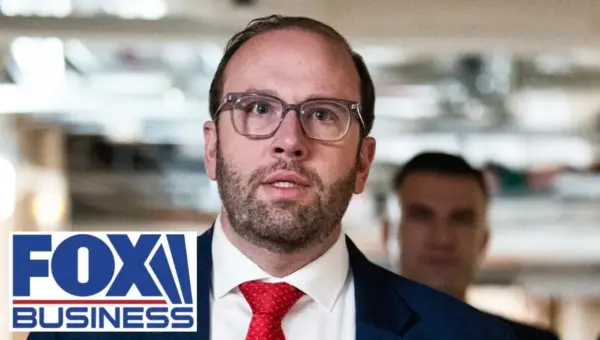
GOP Claims Tax Cuts Boost Americans, Blame Dems for Inflation
House Ways and Means Chairman Jason Smith argues that Democratic spending fueled inflation, while tax cuts have benefited Americans. He criticizes a growing socialist agenda within the Democratic Party and emphasizes the need for fiscal responsibility amid high national debt. Investors should watch these economic policy debates as they could shape future market conditions.