Trump’s Tariff Refund Tactics Draw ‘Mob Boss’ Accusations
President Donald Trump's recent comments about tariff refunds have sparked accusations of "mob boss" tactics. Critics argue he is pressuring companies to forgo legally owed refunds for tariffs ruled illegal by the Supreme Court. The administration has opened a portal for companies to claim over $160 billion.

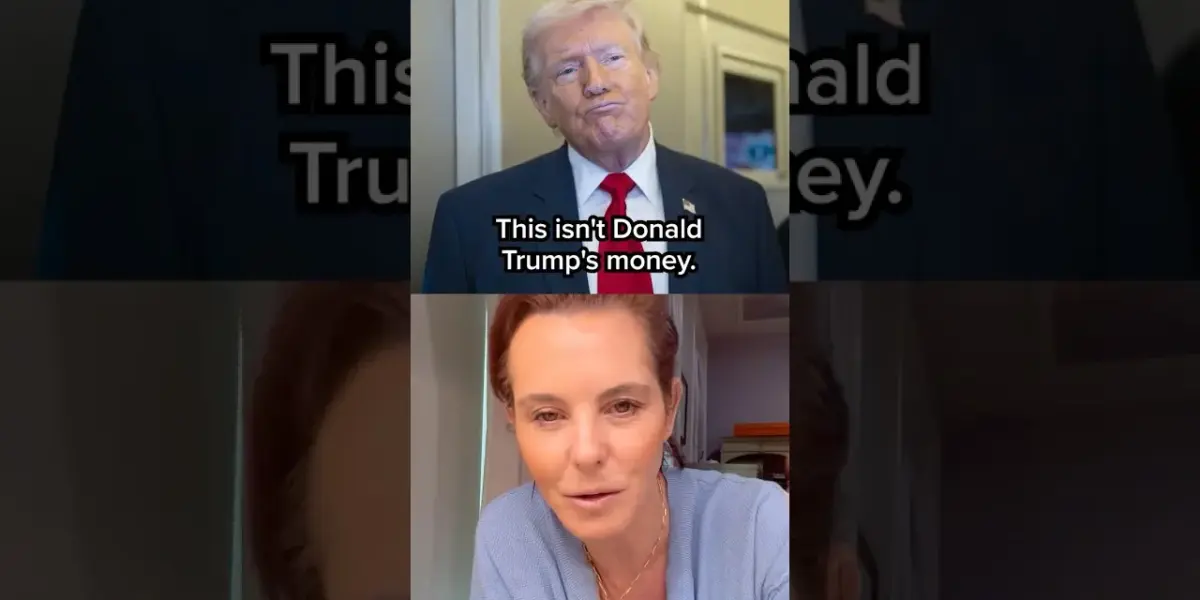
Trump’s Tariff Refund Tactics Draw ‘Mob Boss’ Accusations
President Donald Trump’s recent comments regarding tariff refunds have drawn sharp criticism, with accusations that he is treating companies like a “mob boss.” This controversy stems from Trump’s statement that he would “remember” companies that do not seek refunds for tariffs that were later ruled illegal by the Supreme Court. The Trump administration recently launched a portal allowing importers to claim over $160 billion in potential refunds.
Tariffs and the Supreme Court Ruling
The tariffs in question were imposed unilaterally by the Trump administration. However, the Supreme Court eventually found these tariffs to be illegal, opening the door for companies to seek refunds. The administration’s creation of a refund portal acknowledges the illegality of the tariffs and provides a mechanism for companies to recoup their losses.
Accusations of Coercion
Stephanie Ruhle, a host on MSNBC, likened Trump’s approach to that of a “mob boss.” She argued that Trump’s suggestion that he would “remember” companies implies a form of retribution. This, she explained, is not his personal money being discussed, nor is it solely the money of the CEOs. Instead, it belongs to the shareholders of these companies.
“This isn’t Donald Trump’s money. It’s not even the money that’s controlled by the CEOs of these companies. It’s shareholder money.”
Ruhle’s comments highlight a concern that political pressure is being applied to influence corporate decisions about seeking legally owed refunds. The implication is that companies might forgo their right to refunds to avoid potential negative consequences from the president.
The Scale of Potential Refunds
The tariff refund portal is designed to process claims for a significant amount of money, estimated to be over $160 billion. This figure highlights the substantial financial impact of the tariffs on American businesses. The ability for companies to reclaim these funds is a direct result of the Supreme Court’s ruling against the legality of the imposed tariffs.
Broader Implications for Business and Government
The situation raises important questions about the relationship between the government and private businesses. Critics argue that a president should not use the power of their office to influence how companies handle legally entitled financial claims. Such actions, they contend, can create an environment of uncertainty and fear for businesses operating within the country.
The principle at stake is whether government officials can pressure businesses regarding the use of their own funds, especially when those funds were impacted by government actions later deemed unlawful. This goes beyond simple policy disagreements and touches upon the fundamental rights of businesses to operate without undue coercion.
Shareholder Rights and Corporate Responsibility
Ruhle’s emphasis on “shareholder money” points to a key aspect of corporate governance. Company executives have a fiduciary duty to act in the best interests of their shareholders.
This includes seeking to recover funds that were unjustly taken, as determined by the courts. Failing to do so could be seen as a dereliction of that duty.
The president’s alleged pressure could put CEOs in a difficult position. They must balance the potential political fallout of accepting a refund against their legal and ethical obligations to their shareholders. This dilemma highlights the complex interplay between political power and corporate responsibility.
Looking Ahead
As companies begin to navigate the process of claiming their tariff refunds, the political response to these actions will be closely watched. The administration’s reaction to companies that do seek refunds, and the subsequent actions of those companies, will provide further insight into the dynamics of this contentious issue. The government’s commitment to upholding the rule of law, even when it involves reversing its own past actions, remains a critical point of observation.
Source: Ruhle: Trump is treating tariff refunds like a "MOB BOSS" (YouTube)

Related Articles
Trump’s Redistricting Gamble Backfires in Virginia
A recent ballot initiative in Virginia, triggered by Donald Trump's push for favorable redistricting, resulted in a significant loss for his allies. The vote highlighted voter frustration with Trump's strategies and a broader dissatisfaction with his administration's policies, particularly on the economy. This outcome suggests a growing power of voter will over political manipulation.
Trump Faces Growing Backlash as Voters and Allies Turn Away
Donald Trump is facing a wave of disapproval as a new poll shows two-thirds of Americans disapprove of his actions. Prominent figures like Tucker Carlson have publicly distanced themselves from the former president, citing concerns over foreign policy and the economy. This growing backlash from voters and allies signals a critical challenge to Trump's political future.
Trump Nominee’s Fed Hearing Reveals ‘Puppet’ Fears
Kevin Warsh, Donald Trump's nominee for Federal Reserve Chair, faced intense scrutiny over his independence during a recent hearing. Senator Elizabeth Warren questioned his ability to resist political pressure, especially after Warsh hesitated to confirm Trump's 2020 election loss. The hearing also touched on broader concerns about financial conflicts of interest and the mysterious dissolution of a Trump-affiliated fund.