Trump’s Fed Pick Faces Scrutiny Over Independence
Kevin Warsh, President Trump's nominee for Federal Reserve chair, faced intense questioning about his independence from the White House during his Senate confirmation hearing. While Warsh asserted he would be an independent actor, concerns remain about his close ties to Trump and potential influence on monetary policy. Experts highlight the critical importance of Fed independence for stable economic outcomes, both domestically and globally.

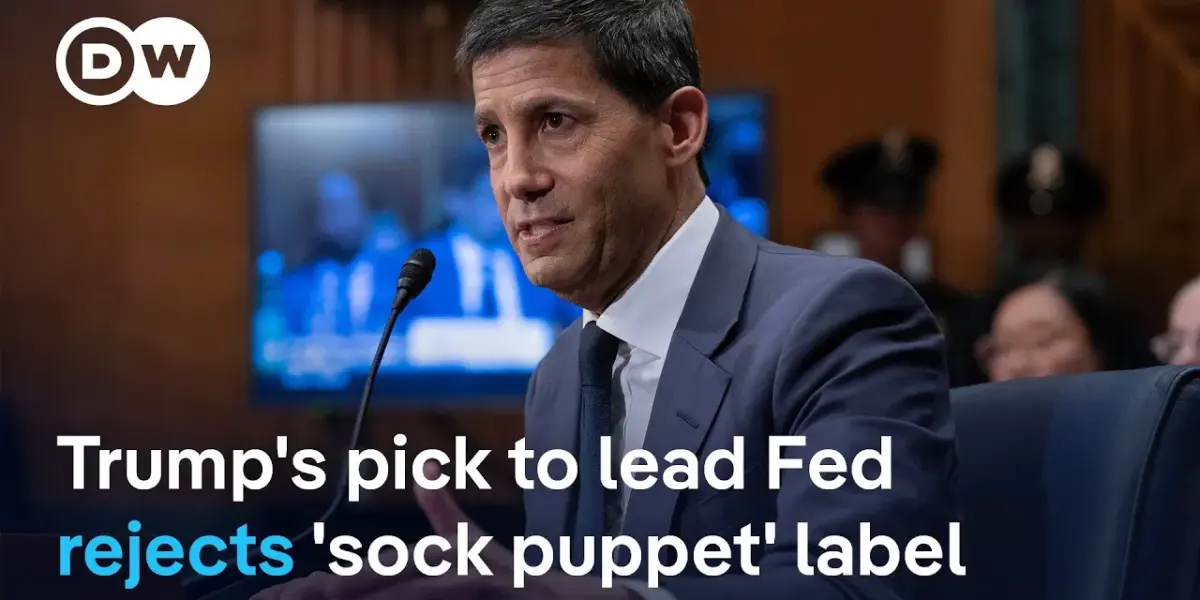
Trump’s Fed Nominee Faces Tough Questions on Independence
President Donald Trump has publicly pushed for lower interest rates from the Federal Reserve, clashing with current Fed Chair Jerome Powell. Now, with Powell’s term ending, Trump has nominated Kevin Warsh to lead the central bank. Warsh’s Senate confirmation hearing focused heavily on whether he would maintain the Federal Reserve’s independence from political pressure.
During the hearing, Democratic Senator Elizabeth Warren directly questioned Warsh’s loyalty, asking if he would be the “president’s human sock puppet.” Warsh firmly denied this, stating, “Absolutely not. I’m honored the president nominated me for the position and I’ll be an independent actor if confirmed as chairman of the Federal Reserve.” This exchange highlights the central concern surrounding his nomination: his perceived closeness to President Trump.
Why Fed Independence Matters
Brian Jacobson, chief economic strategist at Annex Wealth Management, explained why a politically independent Federal Reserve is crucial. Having a Fed chair who simply follows the president’s orders, sometimes called a “lap dog,” can lead to poor economic outcomes. He pointed to the 1970s in the United States under President Richard Nixon, where pressure on the Fed contributed to stagflation – a difficult mix of high unemployment and high inflation.
Jacobson emphasized that when a central bank’s monetary policy is not independent, it can harm the economy. This independence allows the Fed to make decisions based on economic data and long-term stability, rather than short-term political goals.
Understanding the Fed Chair’s Role
The Federal Reserve chair plays a vital role in setting monetary policy. This includes managing the nation’s money supply and determining short-term interest rates, which affect the cost of borrowing for businesses and consumers. The chair also heads the Federal Open Market Committee (FOMC), the group responsible for these key decisions.
Beyond monetary policy, the Fed also supervises banks. However, the public often focuses most on the chair’s influence over interest rates and credit availability, as these directly impact economic growth and inflation.
Kevin Warsh: Background and Economic Views
Kevin Warsh possesses a strong background in economics, law, and public policy. He served as an economic adviser to President George W.
Bush and was a member of the Federal Reserve’s Board of Governors from 2006 to 2011. Since then, he has taught at Stanford University and conducted research at the Hoover Institution.
Jacobson believes Warsh has the necessary qualifications, noting, “I don’t think there are a lot of people who would really question whether or not he has the credentials to become the chair of the Federal Reserve.” The main question, he added, is whether Warsh’s affiliation with Trump would compromise his independence.
Warsh’s economic philosophy appears to differ from recent Fed approaches. While past Fed policy has often focused on the demand for goods and services, Warsh emphasizes the “supply side” of the economy.
He believes innovation and business investment are key to growth. He also holds views influenced by economist Milton Friedman, focusing on how the money supply can impact inflation.
This perspective suggests Warsh might be cautious about keeping interest rates too low, fearing it could overheat demand and cause inflation. However, he also believes high rates can stifle investment and future growth. His approach may involve carefully balancing these concerns, potentially using interest rates differently than his predecessor.
Navigating Political Minefields
Senator Warren pressed Warsh on his independence by asking directly if Donald Trump lost the 2020 election. Warsh responded that he believed “this body certified that election many years ago,” a response interpreted as a non-answer designed to avoid upsetting Trump.
Jacobson suggested this might be a sign of “buyer’s remorse” for Trump, who later became critical of Fed Chair Powell despite nominating him. If Warsh remains true to his independent principles, Trump might soon express similar dissatisfaction.
The Fed’s Structure and Independence
Critics sometimes question the Fed’s independence, noting it was created by Congress in 1913. Congress sets the Fed’s goals, which in the U.S. include full employment, stable prices, and moderate long-term interest rates. This differs from the European Central Bank or the Bank of England, which primarily focus on inflation.
However, the Fed’s operational independence comes from several factors. Its governors serve long, staggered terms, making it hard for any president to quickly fill the board with their appointees.
The Fed funds itself through its operations and investments, not through the annual government budget process. These elements make the Fed more “insulated” than strictly independent.
Other Concerns: Wealth and Epstein Files
Warsh’s personal wealth, reportedly over $100 million, has also raised questions. While he plans to divest many holdings, the perception of a wealthy individual setting policy can be a concern. Jacobson views this primarily as an optics issue rather than a direct conflict of interest, assuming proper financial management.
Senator Warren also brought up Warsh’s name appearing in documents related to Jeffrey Epstein. While publicly available information does not link Warsh to any wrongdoing, the association has been raised. Jacobson described it as an issue of optics, suggesting that many names appear in such files without direct implication.
What Happens Next for Warsh’s Nomination
Warsh’s confirmation is not guaranteed. Republican Senator Thom Tillis has stated he will not vote on the nomination until an investigation into the Federal Reserve and Chair Powell’s management of building projects concludes. This delay could leave Warsh’s nomination in limbo.
If confirmed, markets might react cautiously. Warsh is considered a “hawk,” meaning he prioritizes fighting inflation, which could mean less immediate action on interest rate cuts. The FOMC’s policy is decided by majority vote, and Warsh may not be able to persuade other members to lower rates if he believes inflation is still a significant threat.
Global Impact of the Fed Chair
The role of the Federal Reserve chair extends far beyond U.S. borders. U.S. economic growth and inflation influence global economies, as the U.S. imports significantly from other nations. The chair also impacts global financial conditions, including currency values, interest rates, and stock markets worldwide.
While no single person wields absolute power, the Fed chair’s influence on the global economy is substantial. The coming weeks will reveal whether Warsh can navigate these complex issues and secure his position at the helm of the Federal Reserve.
Source: Rate cuts and power plays: Can Kevin Warsh serve the US economy under President Trump? | DW News (YouTube)

Related Articles
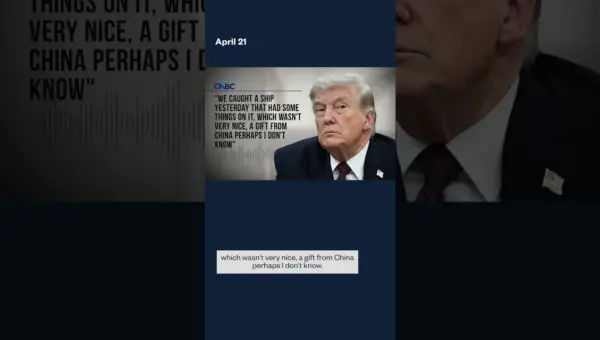
Trump Halts Iran Talks, Extends Ceasefire Amid Nuclear Standoff
President Trump has extended a ceasefire as crucial nuclear talks with Iran have collapsed, with Vice President Vance returning to the White House after Iran refused to attend negotiations. The U.S. cited Iran's refusal to commit to talks and its recent aggressive actions, including firing on an oil tanker, as reasons for the breakdown. Despite economic pressure, Iran's military capabilities remain significant.
US Extends Ceasefire with Iran, Wildfires Rage in South
President Trump has extended the ceasefire with Iran indefinitely, hoping to foster peace talks, while the U.S. maintains its blockade. Meanwhile, the Southern U.S. grapples with severe wildfires amid red flag warnings, forcing evacuations. Other news includes a fatal attack in California, increased security in Mexico after a deadly shooting, a new trial for Harvey Weinstein, and a criminal investigation into ChatGPT's alleged role in a Florida shooting.

Trump Extends Iran Ceasefire Amid Stalled Talks
President Trump has extended the ceasefire with Iran as peace talks in Pakistan have stalled. The U.S. naval blockade will remain in place while Iran is urged to present a unified proposal. The report also covers aviation safety concerns with near-misses at JFK and other crash landings, a deadly attack in Mexico, and a major school district's decision to limit student screen time.