US-Iran Tensions: What Happens If Talks Collapse?
The failure of upcoming U.S.-Iran talks could plunge the Middle East into a dangerous new phase. Analysts warn of three potential scenarios, ranging from a fragile de facto ceasefire to renewed hostilities initiated by either side. Without a formal agreement, the risk of an incident triggering wider conflict remains high.


US-Iran Talks Stall: A Region on Edge
The crucial diplomatic talks between the United States and Iran hang in the balance, raising serious concerns about the future of regional stability. If these discussions fail and no new agreements are reached to replace the current fragile ceasefire, the situation could rapidly deteriorate. Analysts are outlining several possible paths forward, each carrying significant risks for the Middle East.
Scenario 1: A Fragile, De Facto Ceasefire
One potential outcome is that the current ceasefire, though unwritten, largely holds. This would mean neither the United States nor Iran actively initiates hostile actions.
A cautious calm could persist in the region for the immediate future. While this scenario avoids active conflict, preventing immediate bloodshed and missile strikes, it offers no long-term guarantee of peace.
Over time, the underlying tensions would likely fester. The probability of some form of escalation would steadily increase as the root causes of the conflict remain unaddressed. This temporary quiet would be a precarious one, always at risk of shattering.
Scenario 2: US Reinitiates Hostilities
Another dangerous possibility is that the United States restarts military action. Past statements from the Trump administration, for example, suggested a willingness to target Iran’s energy infrastructure and vital transport links like bridges and major roads. Such actions would likely occur if Iran refused to accept U.S. proposals or demands.
This path is particularly alarming because it would almost certainly provoke a strong response from Iran. Observers anticipate Iran retaliating in kind, potentially targeting similar infrastructure in the Persian Gulf, Israel, and the wider region. The ripple effects of such a conflict could be devastating.
Scenario 3: Iran Strikes First
A third scenario involves Iran initiating hostilities. This could happen, for instance, if Iranian forces fired on vessels attempting to pass through the Strait of Hormuz against orders. Such an event could quickly ignite naval tensions and spiral into a broader conflict.
The Strait of Hormuz is a critical chokepoint for global oil supplies. Any disruption there would have immediate and far-reaching economic consequences. The potential for miscalculation or deliberate provocation in such a sensitive area is extremely high.
The Risk of Incident-Driven Escalation
While various outcomes are possible, experts agree that without a formal agreement between the U.S. and Iran, the risk of an incident re-escalating the conflict remains high in the short term. These incidents could range from naval encounters to cyberattacks or drone strikes, each carrying the potential to ignite a wider war.
The current situation highlights the delicate nature of international relations in a volatile region. Diplomatic channels, even when strained, remain essential for preventing catastrophic conflict. The failure to find common ground could lead to a dangerous new chapter in U.S.-Iran relations.
Looking Ahead: The Urgency of Diplomacy
As the world watches, the focus remains on whether diplomatic efforts can bridge the divide between the United States and Iran. The coming days and weeks will be critical in determining whether a fragile peace can be maintained or if the region will be plunged back into open conflict. The potential consequences of failed diplomacy are stark and demand urgent attention from all parties involved.
Source: What if US-Iran talks don’t happen? | DW News (YouTube)

Related Articles


Pakistan, Saudi Arabia Deepen Military and Financial Ties
Pakistan and Saudi Arabia are deepening their strategic and economic ties, underscored by a new mutual defense pact and significant financial support. This closer alliance emerges amidst rising regional tensions, as both nations seek to bolster security and navigate complex geopolitical challenges. The strengthened relationship highlights a re-evaluation of security partnerships in the Muslim world.


Small Nuclear Reactors Spark Energy Debate Amid Global Instability
Small modular reactors (SMRs) are emerging as a potential solution for reliable, cleaner energy, aiming to overcome the challenges of traditional nuclear power. While promising enhanced safety and flexibility, SMRs face hurdles in cost, deployment timelines, and public perception, especially when compared to rapidly advancing renewables. Global energy instability is fueling interest, but their actual impact remains to be seen.

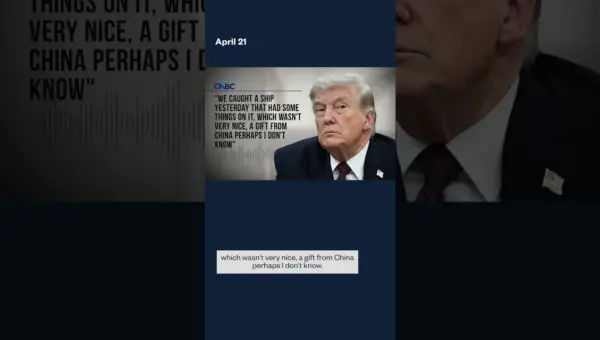
Trump Halts Iran Talks, Extends Ceasefire Amid Nuclear Standoff
President Trump has extended a ceasefire as crucial nuclear talks with Iran have collapsed, with Vice President Vance returning to the White House after Iran refused to attend negotiations. The U.S. cited Iran's refusal to commit to talks and its recent aggressive actions, including firing on an oil tanker, as reasons for the breakdown. Despite economic pressure, Iran's military capabilities remain significant.