FDA Considers Loosening Peptides Rules Amid Hype
Peptides, popular in wellness and fitness for claimed benefits like anti-aging and muscle boosting, are under FDA review for potentially relaxed regulations. Despite user enthusiasm and endorsements, many doctors urge caution due to a lack of extensive human safety data. The FDA's planned July panel will weigh the growing popularity against critical safety concerns.


FDA Explores Easing Peptide Regulations Amid Growing Popularity
Peptides, the tiny protein building blocks crucial for many bodily functions, are surging in popularity across wellness and fitness circles. From reducing wrinkles to boosting muscle mass, users and influencers alike are praising their potential benefits. Even public figures like Robert F.
Kennedy Jr. have shared their positive experiences. Now, the Food and Drug Administration (FDA) is considering a significant shift, announcing plans to convene a panel in July to potentially expand the list of approved peptides.
What Are Peptides and Why the Buzz?
Peptides are short chains of amino acids, the fundamental components of proteins. They occur naturally in the body and play roles in everything from hormone production to immune response.
While the body makes them, they can also be created in labs and administered through injections or other methods. This natural presence and versatile function have fueled their appeal in the wellness community, with many adopting them into their daily routines for perceived health and aesthetic improvements.
Enthusiastic users, wellness influencers, and some celebrities claim these synthesized peptides can offer a range of benefits. These reported advantages include smoothing wrinkles, increasing muscle development, and aiding in recovery. The growing interest suggests a desire for accessible solutions to common health and aging concerns, driving the demand for these compounds.
Doctors Urge Caution Amidst Hype
Despite the widespread enthusiasm and anecdotal evidence, many medical professionals are urging caution. They point out that robust scientific research supporting many of the claimed benefits in humans is still lacking. While some peptides show promise in laboratory settings or animal studies, directly translating these findings to human results is a significant leap, according to experts.
“I think that that’s kind of a good way to think about it. It’s definitely a leap to say, well, if it does this in a laboratory animal, it’s going to do this in a human. You can’t say that.”
This sentiment highlights the critical need for extensive human trials before widespread adoption. The scientific community emphasizes that what works in a petri dish or on a mouse does not automatically guarantee safety or effectiveness in people.
FDA’s Past Actions and Future Considerations
The Biden administration has previously taken a stricter stance, classifying over a dozen peptides as having significant safety risks pending further review. Out of the vast number of potential peptides, the FDA has only approved a small fraction. Notable among these is semaglutide, a component of popular GLP-1 medications like Ozempic, which is approved for specific medical uses.
Secretary Kennedy has suggested that overly strict regulations may be pushing people toward unregulated, less safe markets. He believes that by potentially easing some restrictions, individuals might be steered away from dangerous, black-market sources. This perspective frames the upcoming FDA panel as a potential move to bring more peptide use into a regulated environment.
Concerns Over Safety and Lack of Data
However, many doctors and researchers argue that it is premature to relax existing regulations. They stress the critical shortage of comprehensive human data on the long-term effects and safety profiles of many peptides. Without sufficient study, the potential risks remain largely unknown, raising concerns among the medical community.
Some research has even suggested potential links to serious health issues, such as the possibility of promoting cancer cell growth. The primary concern is the lack of extensive human trial data, which prevents a full understanding of the possible side effects. Many experts believe more rigorous human testing is essential before any significant loosening of regulations can be considered.
The Path Forward: Regulation vs. Access
The debate centers on balancing the potential benefits and growing demand for peptides against the imperative of ensuring public safety. While proponents argue that current regulations stifle innovation and access, critics emphasize the need for scientific rigor and evidence-based approval processes. The FDA’s upcoming panel will be a crucial step in determining the future regulatory approach to this rapidly evolving area.
The July panel aims to gather information and expert opinions that will guide future decisions. The outcome could significantly impact how peptides are regulated, accessed, and studied moving forward. This development marks a critical juncture in the ongoing discussion about the role of peptides in health and wellness.
Source: What are peptides and why is the FDA considering easing limits? (YouTube)

Related Articles

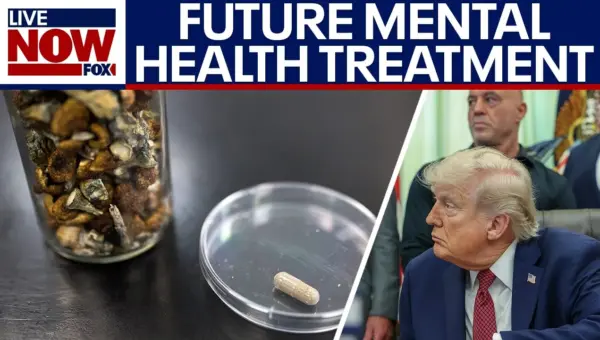
Trump Signs Order to Speed Psychedelic Drug Research
President Trump has signed an executive order to accelerate research and access to psychedelic drugs for mental health treatment, particularly for veterans with PTSD. While the order aims to speed up FDA reviews, experts note that extensive clinical trials and regulatory hurdles mean widespread patient access is still years away.


GLP-1 Drugs Face Lawsuits Over Severe Side Effects
Thousands of patients are suing GLP-1 drug makers, alleging severe side effects like blindness and stomach paralysis. While manufacturers claim their drugs have FDA-approved warnings, lawsuits argue the information is insufficient. Experts and attorneys discuss the need for updated labels and manufacturer responsibility as these popular weight-loss drugs expand.


Trauma Book’s Claims Questioned Amidst $10M Deal
Questions are emerging about the scientific basis of "The Body Keeps the Score," a highly popular book on trauma. Despite its success and a recent $10 million book deal, critics are examining the evidence behind its core claims that trauma is stored in the body and causes illness. This highlights the need for critical evaluation of popular health information.