Iran’s Regime Plans to Fight to the Bitter End
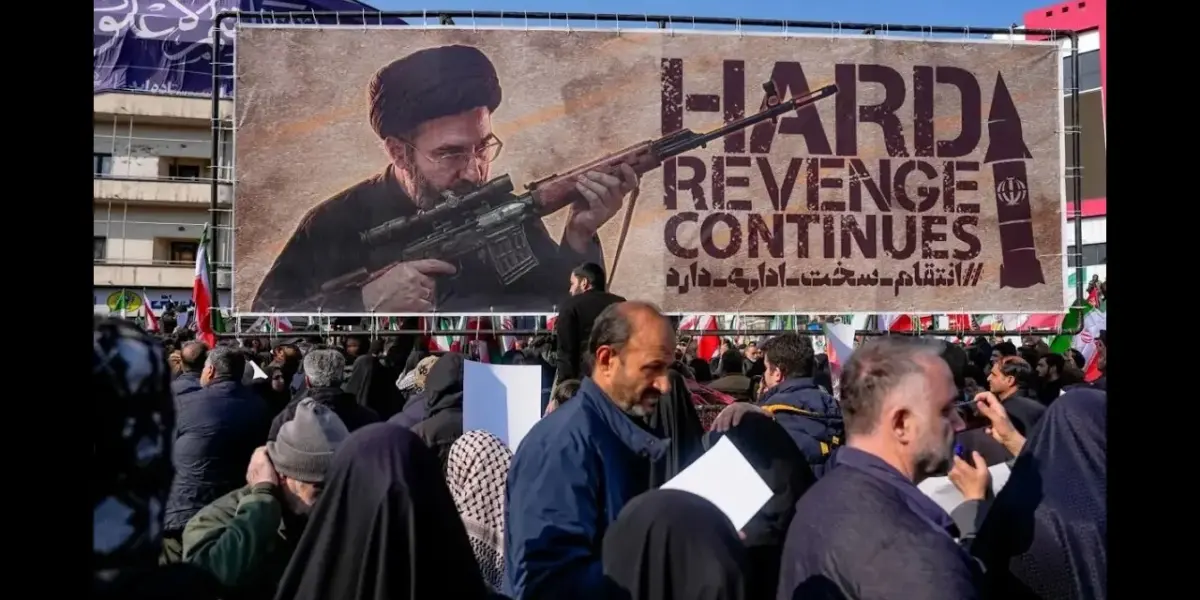
Iran's regime is preparing for a prolonged fight, believing it holds a strong hand despite military setbacks. Colonel Wes Martin explains that the regime prioritizes its survival over its people's well-being and shows no intention of complying with international agreements. True change, he suggests, may only come from supporting the Iranian people's uprisings.

Iran’s Regime Plans to Fight to the Bitter End
Iran’s government seems determined to resist any peace talks, even when facing significant military setbacks. A counter-terrorism expert, Colonel Wes Martin, explains that this stubbornness comes from a belief that Iran is currently in a strong position. This belief stems from the United States not having troops on the ground and the Iranian regime surviving previous attacks.
Colonel Martin notes that Iran’s leadership, particularly the Islamic Revolutionary Guard Corps (IRGC), is preparing for further conflict. They are moving equipment and positioning drones for potential attacks. This suggests a strategy of delaying any negotiations while getting ready for a more aggressive phase of hostilities, possibly targeting shipping in the Persian Gulf.
Understanding Iran’s Mindset
Despite having its navy damaged and missile facilities destroyed, Iran’s regime feels it has the upper hand. This thinking, according to Colonel Martin, is rooted in a Middle Eastern mindset where power dictates negotiation terms.
Even after significant strikes on their facilities, the IRGC has seen a new, younger generation take charge. This new leadership believes they can outlast external pressure by using economic leverage, like controlling vital oil shipments, to make countries such as China, South Korea, and Japan pressure the United States.
This strategy is essentially about buying time. Iran is hoping that economic dependencies on its oil will lead other nations to push for de-escalation, giving the regime breathing room to strengthen its position or avoid further concessions.
The Regime’s Disregard for Its People
When discussing potential US strikes on targets within Iran, like power plants, Colonel Martin highlights the regime’s callous attitude towards its own citizens. The IRGC is unlikely to yield power, and any damage from attacks would primarily harm the Iranian people.
He points to past events where the government used deadly force against protesters, showing a clear lack of concern for civilian suffering. This fundamentalist regime, in power since 1979, prioritizes its survival above all else and has no intention of honoring any agreements with the West.
Their approach is likened to being tied to a stake, refusing to retreat. This strong imagery conveys the regime’s unwavering commitment to its current course, regardless of the cost to its people or international relations.
Internal Divisions and the Path to Change
While President Trump has suggested the Iranian regime has been destroyed and rebuilt, Colonel Martin clarifies that it’s more of a leadership change. There are internal disagreements, as seen when one part of the government suggests opening the Strait of Hormuz while the IRGC orders it closed. However, the new generation of leadership is deeply indoctrinated and committed to the regime’s goals.
Colonel Martin believes that true change in Iran can only come from supporting the Iranian people in their uprisings. He suggests that if ethnic groups like the Azeris, Kurds, Arabs, and Baluch, along with the Persian majority, are supported, then regime change and the formation of a republic might be possible. The current regime, he insists, will fight to the very last person.
The Nuclear Program: A Delayed, Not Solved, Problem
Regarding Iran’s nuclear capabilities, the recent military actions have only delayed its progress. The Air Force’s strikes were effective in setting back the program, but they did not eliminate it entirely. The new leadership, referred to as “baby Khomeini,” has vowed to continue developing nuclear capabilities, indicating that the threat is merely postponed, not resolved.
The ability to repeatedly delay Iran’s nuclear program is questionable. The current strategy involves using expensive missiles to counter cheaper drones, which is not sustainable long-term, especially without approved supplemental budgets. This raises concerns about the long-term military and financial viability of ongoing operations.
The Evolving Battlefield
A significant concern is the increasing sophistication of Iranian weaponry. The presence of advanced surface-to-air missiles, potentially supplied by China or Russia, indicates a growing threat that was not present before. If hostilities resume, Iran will be better prepared, and surprise attacks will not be as effective.
The drones, like the Shahed 136 and 149, have extensive range and can carry significant payloads. This means any future military engagement will be far more dangerous than previous encounters. A re-evaluation of military doctrine, like the Weinberger-Powell Doctrine, might be necessary to ensure a strategic approach to any future operations.
Economic Pressure and International Alliances
The US naval blockade on Iranian ports is proving effective, disrupting shipments of dual-purpose Chinese ordinance. However, the IRGC remains unfazed by daily financial losses, sticking to their strategy of waiting out the West. They are counting on countries dependent on Iranian oil to exert pressure, a tactic that Western minds often struggle to comprehend.
This highlights a fundamental difference in strategic thinking between Western and Middle Eastern cultures. As Colonel Martin points out, understanding this distinct mindset is crucial for effective diplomacy and military strategy, a lesson learned repeatedly over the past century.
China’s Growing Influence
The involvement of China is a major concern. Reports of Chinese-linked ships carrying “gifts” that are actually weapons for Iran suggest Beijing is actively seeking to weaken the United States.
China benefits from a weaker America, allowing it to expand its influence in regions like the Philippines and Japan. This strategic alignment between China and Iran poses a significant challenge to US foreign policy.
The relationship between US and Chinese leadership is complex. While President Trump may have a personal rapport with President Xi, the actions of China on the global stage indicate a strategic rivalry. This dynamic could put the US in a weaker position during upcoming diplomatic meetings if the situation with Iran remains unresolved.
The Road Ahead
Colonel Martin stresses that unless the Iran situation is resolved, President Trump will enter crucial meetings, like the one with Chinese leader Xi Jinping, from a position of weakness. China, led by a very smart Xi, will likely exploit any perceived disadvantage. The situation in Venezuela could offer some leverage, but the unresolved Iranian conflict remains a significant hurdle.
The key takeaway is that Iran’s regime is deeply entrenched and committed to its survival, using a complex mix of defiance, economic pressure, and strategic alliances. The path forward requires a deep understanding of Iran’s unique mindset and a clear strategy that supports the aspirations of the Iranian people.
Source: Iranian Regime ‘Will Fight to the Last Person’: Counter-Terrorism Expert (YouTube)

Related Articles

US Navy Taps Iran’s Shadow Fleet in Pacific
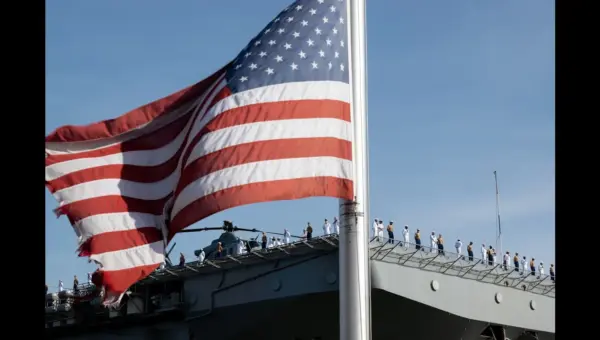
US forces have boarded two ships tied to Iran in two days, one in the Indo-Pacific. These actions target Iran's "shadow fleet" of oil tankers that use deceptive methods to evade sanctions. The operations aim to disrupt illicit networks and limit Iran's funding.

US Demands New Iran Deal, China Watches Closely
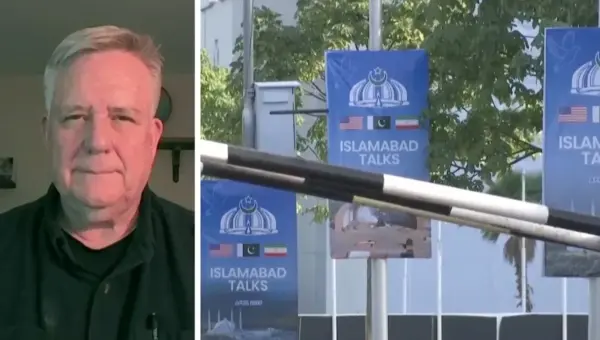
The US is applying intense economic and diplomatic pressure on Iran, demanding unified proposals for negotiations. This new, tougher stance contrasts with previous American flexibility. Meanwhile, China's long-standing ties with Iran are being closely watched, and US actions in the Middle East are seen as a potential deterrent to Chinese military aggression.

Navy Food Shortages Expose Troubling Military Logistics Failures
Reports reveal U.S. Navy sailors in the Middle East are facing food shortages and delayed care packages, contradicting official claims of military dominance. Strategic attacks on supply hubs have disrupted vital logistical lines, impacting ship resupply and crew welfare. This situation raises serious questions about military transparency and operational readiness.