Medical Groups Clash Over Child Gender Care Standards
A medical watchdog group, Do No Harm, is urging the FTC to investigate the American Psychological Association over conflicting statements on child gender care. The group claims the APA promotes an "affirmation only" model that can lead to harmful, experimental medical interventions for minors, lacking sufficient scientific evidence.

Medical Groups Clash Over Child Gender Care Standards
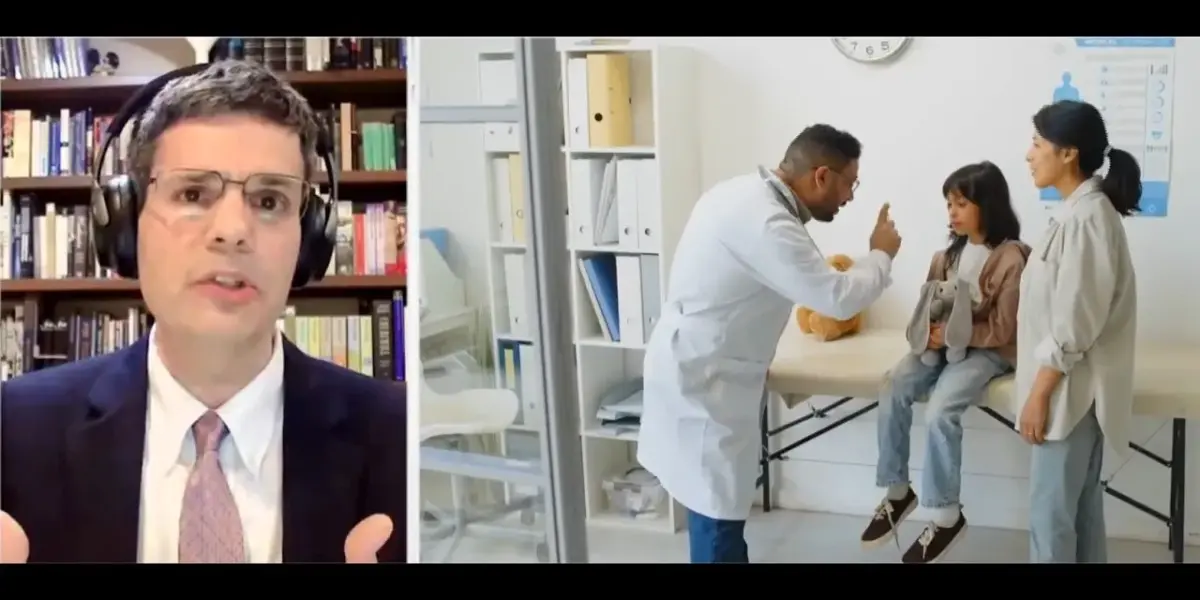
A medical group called Do No Harm is asking the Federal Trade Commission (FTC) to look into the American Psychological Association (APA). They believe the APA is telling different stories to the public and to government regulators, especially about medical care for children experiencing gender distress.
Dr. Curt Mosely, chief medical officer at Do No Harm, explained that the APA has made two seemingly different statements. One in 2024 supports an “affirmation only” model.
This model guides children from social changes to puberty blockers, hormones, and even surgeries. The group argues this approach is harmful and lacks evidence.
Conflicting APA Statements Spark Concern
The 2024 APA policy statement promotes this “affirmation only” model. It suggests that not following this approach is mistreatment.
However, a statement the APA offered to the FTC in 2025 takes a more cautious approach. It acknowledges that children may have other mental health issues, like depression or anxiety, alongside gender distress.
This 2025 statement also notes that not all children with gender dysphoria will continue to experience it into adulthood. Dr. Mosely finds this change between the two statements to be radical. When asked about these differences, the APA claims they are consistent, a claim Do No Harm disputes.
Questioning Medical Interventions for Minors
Do No Harm is urging the FTC to investigate these apparent contradictions. They want to understand if the APA’s representations about pediatric medical transition are false or unsupported. The group believes these medical interventions can have serious, irreversible consequences for children.
The 2024 APA statement called for “unobstructed access to gender-affirming care for minors.” This includes hormones and surgeries. Dr. Mosely stated that evidence and systematic reviews suggest these interventions offer no benefit to children and cause significant harm. He noted that states banning these procedures are trying to protect children.
The Affirmation Only Model and Child-Led Care
The “affirmation only” model, Dr. Mosely explained, allows children to largely guide their own treatment. This is concerning because children experiencing gender distress are often confused and need guidance. He believes this model can affirm an identity that may not be true and lead to regret later in life.
Instead, the focus should be on the child’s distress and finding ways to help them that are healing and productive, not damaging. He stressed the critical need for proper intervention during this sensitive time for children.
Scientific Evidence and Expert Opinions
Dr. Mosely pointed to systematic reviews, the highest level of scientific evidence. These reviews show very little certainty of benefit from these procedures for psychological outcomes or long-term well-being. He mentioned that many individuals who have detransitioned report significant medical harm and regret from these interventions.
He also cited a study from Finland. This study indicated that gender interventions did not reduce the need for psychiatric care; in fact, many children required more.
Medicalizing children with puberty blockers, hormones, and surgeries is not the answer, he argued. Good quality assessments and therapies that help children build resilience are needed.
Experimental Nature of Interventions
Countries like Finland and Sweden consider these procedures experimental. They recommend psychosocial and psychological interventions as the first line of care. Dr. Mosely highlighted potential adverse effects such as infertility, cardiovascular issues, and mental distress.
He emphasized that medical professionals have a duty to provide good quality care and avoid models that allow children to inflict self-harm. He called for medical societies, including the APA and the Endocrine Society, to examine the evidence, much like the American Society of Plastic Surgeons has done. That group recognized these procedures are not suitable for children.
Concerns About Institutional Influence
Dr. Mosely expressed concern about a “coordinated system of institutions” pushing gender transition. He noted that organizations like WPATH, the Endocrine Society, and the American Academy of Pediatrics are being investigated by the FTC.
He described a pattern of “circular referencing” in documentation from these institutions. This means members from one group often cite the work of another, creating a closed loop of information rather than relying on broad, independent data. The Cass Review from the UK also pointed out this issue.
Ethical Principles and Professional Responsibility
Dr. Mosely believes that data, when properly aggregated and analyzed, shows these interventions are not appropriate for children. He stressed the importance for scientists and clinicians to interpret data ethically, guided by the principle of “do no harm” and “beneficence.” The current “autonomy only” model in medicine can be harmful, especially for children who need support and understanding during difficult times.
He urged professionals to remember these ethical principles and protect children. Rushing into irreversible procedures can cause significant pain and regret later in life. True help involves supporting children through their struggles, not through medical interventions that can harm them.
The Role of Gender Activists
Dr. Mosely suggested that some medical societies may have been “captured by activists.” He noted that many physicians who disagree with institutional leadership have left these organizations. This includes bodies like the American Medical Association, which represents a small percentage of practicing physicians.
He praised the American Society of Plastic Surgeons for having the courage to review evidence, challenge activists within their field, and issue a statement reflecting the data. This statement concluded that the risks of puberty blockers, hormones, and surgeries for children clearly outweigh the benefits. Instead, focus should be on mental health care, addressing depression and anxiety, and supporting family dynamics.
The path forward, he concluded, involves providing high-quality mental health care, understanding family dynamics, and being curious about each child’s situation. This approach can help children navigate difficult times and emerge healthy and well.
Source: Gender-Based Healthcare Should Be ‘Healing, Productive, Not Damaging’ for Children (YouTube)

Related Articles


California Faces Claims of Free Gender Care for Migrants
A new report claims California offers free gender-affirming care, including surgeries, to undocumented immigrants. State officials deny these claims, stating Medi-Cal has strict eligibility. The controversy raises questions about state spending and accountability.


China’s Organ Harvesting: A Grim Reality Gains Attention
A chilling report reveals China's alleged forced organ harvesting from prisoners of conscience, including Falun Gong practitioners and ethnic minorities. Despite growing awareness, the international response remains muted, raising serious ethical and human rights questions.


Doctors Should Guide Kids Away From Irreversible Gender Changes
Should doctors guide children away from irreversible gender transition decisions? This discussion explores the Hippocratic Oath, the complexities of informed consent for minors, and the long-term implications of medical interventions. It emphasizes the need for thorough counseling and support for young people's development.