Virginia Redistricting Sparks Fierce Debate on Fairness
Virginia's redistricting referendum has ignited a fierce debate about fairness and partisanship. The proposal could drastically alter the state's political balance, leading to accusations of extreme gerrymandering. Experts discuss the legal history, perceived hypocrisy, and the potential for purely technical redistricting, with many concluding it's an inherently political process.

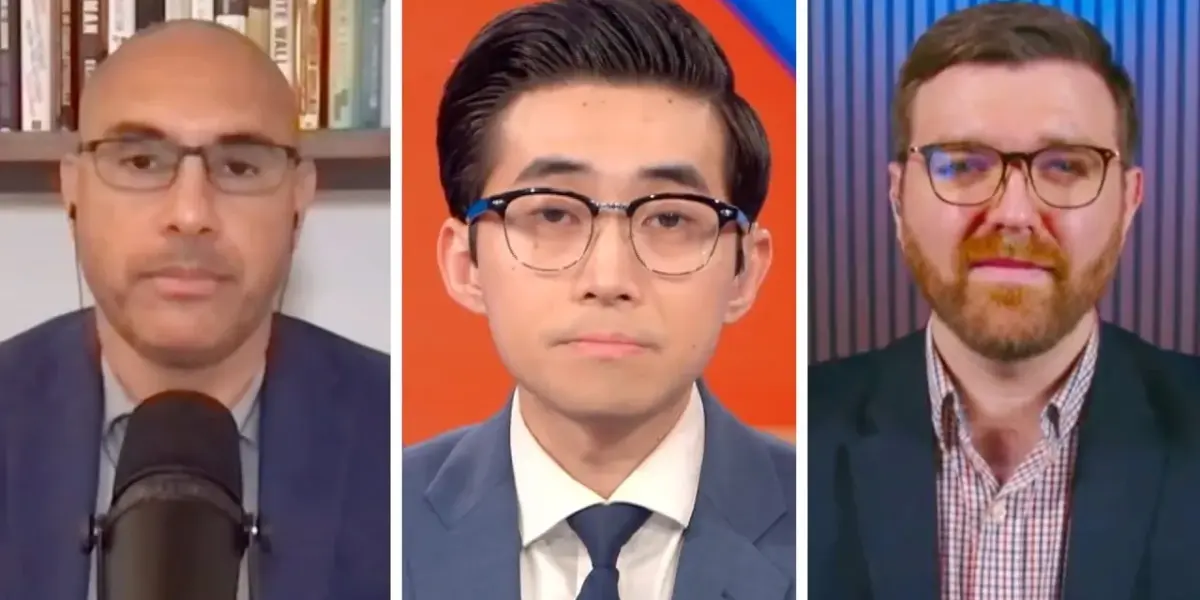
Virginia Redistricting Sparks Fierce Debate on Fairness
Voters in Virginia are facing a key decision on redistricting, a process that shapes how political power is divided. This issue has ignited a heated discussion about fairness, partisanship, and the very nature of representation in American politics. The core of the debate centers on how Virginia’s congressional districts are drawn, a task that directly impacts election outcomes.
At the heart of the matter is a proposed map that could drastically alter the state’s political balance. Currently, Virginia has a nearly even split of six Democrats and five Republicans in its congressional delegation.
However, the new proposal could shift this to a much larger advantage for one party, with some estimates suggesting around 10 Democratic seats and only one Republican seat. This dramatic change has led to accusations of extreme gerrymandering, with former Governor Glenn Youngkin stating the map aims to be the most gerrymandered in America.
The Legal and Political Landscape of Gerrymandering
Gerrymandering, the practice of drawing electoral district boundaries to favor one political party, is a legal and long-standing tradition in the United States. State legislatures have the constitutional authority to redraw these maps, often after a census. Proponents argue it’s a mechanism that should encourage voters to pay closer attention to their state lawmakers, as these legislative decisions have significant consequences.
However, the political wisdom and fairness of such actions are constantly questioned. States like California, Illinois, Massachusetts, and Texas have all engaged in similar redistricting efforts. This has led to a situation where, as one analyst put it, if a party cannot win broad appeal, they might resort to drawing convoluted maps resembling a “Jackson Pollock painting.” This approach often draws criticism, but it’s also seen as a reaction to similar tactics employed by the opposing party.
“Gerrymandering is 100% legal. It is something the state legislatures have the absolute constitutional authority to do.”
Hypocrisy and Partisan Motives
A common theme in the discussion is the perceived hypocrisy surrounding redistricting. When one party engages in gerrymandering, it’s often met with strong criticism from the other side.
Yet, when the roles are reversed, the same tactics are sometimes defended as necessary or justified. This partisan back-and-forth highlights the deeply political nature of drawing electoral maps.
Analysts point out that these redistricting efforts are often driven by partisan goals, regardless of which party is in power. The argument that it’s purely for partisan reasons is seen as accurate by many observers.
The current situation in Virginia is viewed by some as a reaction to previous redistricting actions in states like Texas, California, and others. While some states, like Indiana, have sought to create bipartisan committees for redistricting, this is not the norm.
The Role of Voters and Ballot Wording
The debate also touches on the role of voters in this process. While gerrymandering can influence election results, it doesn’t negate the importance of voting. Even in a gerrymandered district, voter turnout and engagement can still play a key role in determining outcomes, as seen in past elections where unexpected results occurred.
Adding another layer of complexity is the wording of ballot questions. In Virginia, the referendum question asked if the Constitution should be amended to “restore fairness in the upcoming elections.” Critics argue that such phrasing is not neutral and can sway voters who are not closely following the issue. This practice of using loaded language in ballot initiatives is seen as a way to manipulate public opinion, regardless of the party responsible.
“Saying we’re constitutionally restoring fairness in the friendship of all peoples is is ridiculous. It’s the exact same kind of thing that Spanberger is criticized for, doing something that is considered a radical move and then calling it ‘Oh, we’re restoring democracy.'”
Is Purely Technical Redistricting Possible?
The question of whether redistricting can ever be purely technical and free from politics is a significant one. The consensus among experts is that it is highly unlikely, if not impossible. Redistricting is inherently a political process, influenced by historical, cultural, economic, and social factors that vary widely across different regions.
The job of drawing districts has traditionally fallen to state legislatures, reflecting the diverse viewpoints and interests within a state. However, the increasing polarization and partisan maneuvering have made purely objective redistricting a distant ideal. The current system, with its potential for manipulation, places a significant responsibility on voters to elect state legislatures that will approach this task with integrity.
Why This Matters
The redistricting process is fundamental to the health of a democracy. Fairly drawn districts ensure that every vote has equal weight and that elected officials are truly representative of their constituents. When districts are heavily gerrymandered, it can lead to uncompetitive elections, increased political polarization, and a sense of disenfranchisement among voters.
This debate in Virginia highlights a national trend where the drawing of electoral maps has become a major battleground. The outcome of such battles can determine the balance of power in legislatures for years to come. It also forces voters to confront complex issues that directly affect their voice in government, making it crucial for citizens to stay informed and engaged.
Implications, Trends, and Future Outlook
The trend of partisan gerrymandering shows no signs of slowing down. As seen in Virginia, the process is often reactive, with states mirroring the tactics of others. This creates a cycle of political one-upmanship that can undermine public trust in democratic institutions.
Looking ahead, the possibility of reforms, such as independent redistricting commissions, remains a topic of discussion. However, implementing such changes faces significant political hurdles.
The future of redistricting likely involves continued legal challenges and public debate, as different states grapple with balancing political power and fair representation. The ultimate outcome will depend on the willingness of lawmakers and voters to prioritize principles of fairness and accountability over partisan advantage.
Historical Context
The practice of drawing electoral districts dates back to the early days of the United States. The term “gerrymandering” itself originated in 1812, named after Massachusetts Governor Elbridge Gerry, who signed a bill that created a strangely shaped state senate district. Initially, redistricting was intended to ensure that representation in Congress reflected population changes, as mandated by the Constitution after each census.
However, over time, the process became increasingly politicized. State legislatures, often controlled by the party in power, began to use their authority to create districts that would guarantee their party’s success, sometimes at the expense of fair representation or community integrity. This historical context shows that while gerrymandering is not new, its intensity and impact have evolved with the changing political landscape and the development of sophisticated data analysis tools.
The discussion about redistricting will continue to be a critical part of the American political conversation. As voters in Virginia and elsewhere engage with these issues, the focus remains on how to achieve a representative democracy that truly reflects the will of the people. The next redistricting cycle, following the 2030 census, will undoubtedly bring new debates and challenges.
Source: Redistricting Efforts in Virginia Force Voters To Pay Attention: Panelists (YouTube)

Related Articles

Virginia Voters Flip Map, Deal Blow to Trump’s Redistricting Plans
Virginia voters have approved a referendum allowing Democrats to redraw congressional maps, a move expected to add up to four seats to their column. This outcome is seen as a major victory for Democrats and a setback for Donald Trump's redistricting efforts. The decision could significantly impact the balance of power in the House of Representatives.


Democrats Fight Back: Redistricting Backfires on Trump
Republicans' attempts to manipulate election maps have backfired, leading to Democratic victories in Virginia. This marks a shift towards a more assertive Democratic strategy, challenging traditional political norms and focusing on accountability.


Virginia Votes in Redistricting Fight: Democrats Push Back
Virginia voters are deciding a critical redistricting referendum today, a key battle in the fight over how congressional maps are drawn. Democrats, with public support from figures like former President Obama, are pushing back against Republican-led efforts to redraw districts, aiming to level the electoral playing field. The outcome could significantly influence the November midterm elections and the balance of power in Congress.