NYC Ambulance Fees Set to Surge by 29%
New York City is proposing a significant increase in ambulance service fees, with basic rides potentially rising by 29% to nearly $1,800. On-site medical treatments could also see a 42% jump. The city cites inflation and anticipated union pay raises as key reasons for the proposed hikes.

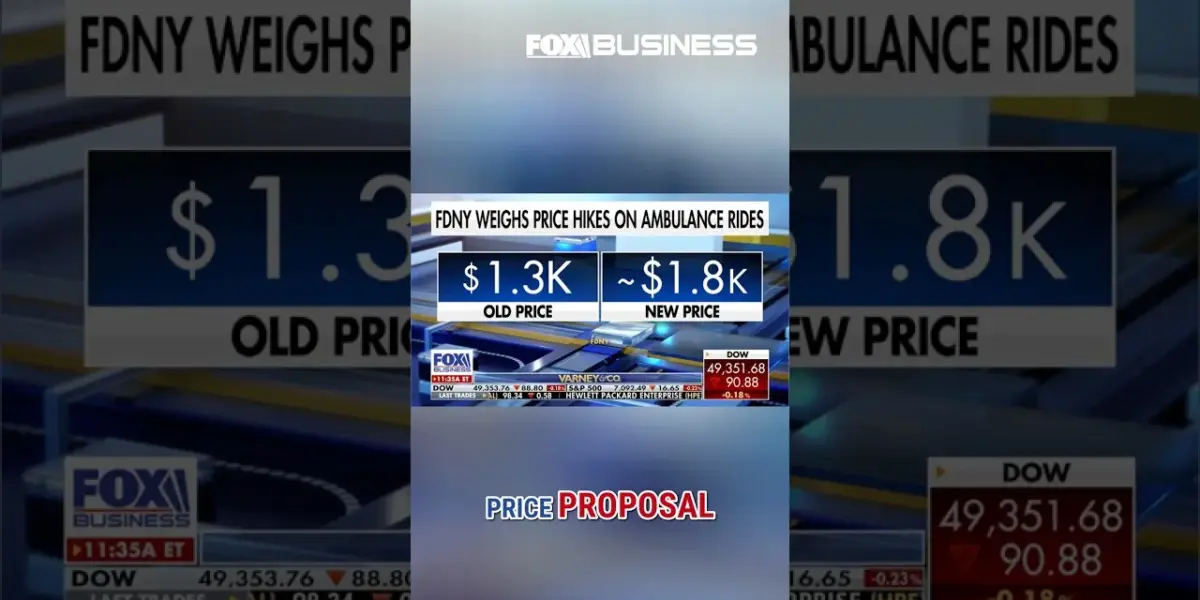
NYC Proposes Major Ambulance Fee Hike Amid Inflation Concerns
New York City residents may soon face significantly higher costs for ambulance services. The city’s Department of Health has proposed a substantial increase in fees for both emergency transport and on-site medical treatments, with the potential hikes drawing public attention and sparking debate.
Key Proposed Price Increases
The proposed changes would mark the first fee adjustment since May 2023. A basic ambulance ride through the city’s 911 system, which currently costs $1,385, could jump by 29% to nearly $1,800. This represents a significant increase for a service many take for granted until they need it.
Beyond transportation, the cost of on-site emergency treatments is also slated for a notable rise. Currently priced at $630 for treatment provided at the scene by an ambulance medic, this fee could increase by 42% to $898. These proposed hikes aim to address rising operational costs and anticipated labor expenses.
Driving Factors Behind the Proposed Hikes
City officials point to inflation as a primary driver for the proposed fee increases. The rising cost of goods and services impacts every aspect of city operations, including the maintenance and staffing of emergency medical services. The department anticipates necessary pay increases for unionized workers, which will add to the overall operational budget.
Currently, there is no settled labor contract between the Fire Department of New York (FDNY) and its Emergency Medical Technicians (EMTs) and paramedics. The proposed fee structure appears to be based on projections derived from patterns seen with other union negotiations. Union representatives for EMTs and paramedics have indicated that salary adjustments are necessary to retain and attract qualified personnel.
Public Hearing and Financial Implications
A public hearing is scheduled for May 15th to discuss these proposed price increases. This provides an opportunity for residents and stakeholders to voice their opinions and concerns regarding the potential impact on their finances. While many residents with comprehensive insurance plans may see a large portion of these costs covered, co-pays could still increase.
For individuals without insurance, the full cost of an ambulance ride or treatment could become a significant financial burden. In such cases, these costs might ultimately be absorbed by the city, meaning taxpayers could indirectly bear the expense. This highlights the complex financial web involved in providing essential emergency services.
Market Impact and What Investors Should Know
While this specific proposal concerns public services, it reflects broader economic trends affecting municipal budgets and essential services across the country. Rising inflation and labor costs are putting pressure on all sectors, forcing difficult decisions about service funding and user fees.
Investors monitoring the healthcare and public services sectors should pay attention to how municipalities are adapting to these financial pressures. Changes in user fees for essential services can impact the budgets of individuals and families, potentially affecting consumer spending in other areas. The need for fair compensation for essential workers like EMTs and paramedics is a recurring theme across various industries.
Sector and Index Context
The proposed ambulance fee increases in New York City are a localized example of a national trend. Inflation has impacted the cost of operations for many public and private entities, leading to price adjustments. This can affect various sectors, including healthcare providers, emergency services companies, and even municipal bond markets if such increases are widespread and impact city revenues.
The healthcare sector, in particular, is sensitive to changes in operational costs and reimbursement rates. While this proposal focuses on direct user fees rather than insurance reimbursement, it highlights the financial challenges faced by entities providing critical care. The outcome of the public hearing on May 15th will provide a clearer picture of how New York City plans to manage these costs moving forward.
Long-Term Implications for Investors
In the long term, trends like these suggest that essential services may become more expensive for the end-user. For investors, this could mean opportunities in companies that provide cost-saving technologies or efficiencies for emergency services. It also highlights the ongoing need for robust public health infrastructure, which requires sustainable funding models.
The balance between ensuring adequate compensation for essential workers and maintaining affordable public services is a delicate one. As cities and states grapple with these issues, innovative financial strategies and potential public-private partnerships may emerge. Investors should watch for how these dynamics play out in municipal budgets and service delivery nationwide.
The public hearing on May 15th will be a key date to watch for further developments on these proposed ambulance fee increases in New York City.
Source: PAINFUL PRICE HIKE: NYC ambulance rides could get pricier #shorts (YouTube)

Related Articles


Russia’s Economy Crumbles Under Sanctions, Dissent Grows
New intelligence reports indicate Russia's economy is collapsing under sanctions, with falling oil revenues and rampant inflation. Dissent is growing, with prominent figures and even pro-Kremlin bloggers openly criticizing the government and President Putin.


Veterans’ Protest Exposes Trump’s Slipping Grip
Veterans' anti-war protests in the Capitol highlight growing dissent, while polls reveal a dramatic drop in Donald Trump's approval ratings, especially on inflation. This signals potential challenges for his political future and the Republican party.


Oil Shock Threatens Holiday Cheer: Costs Soar 15%
Rising oil prices due to disruptions in the Strait of Hormuz are increasing manufacturing costs for holiday goods by up to 15%. This could lead to higher prices for consumers this Christmas season, impacting everything from artificial trees to tinsel. Businesses are struggling to absorb these costs, with some anticipating significant price hikes for shoppers.