Military Leaders Clash With Trump Amid War Woes
Reports suggest growing unease within the military regarding President Trump's leadership and decision-making during wartime. Accounts highlight a disconnect between public confidence and private struggles, alongside significant personnel changes within the Pentagon. Public opinion is increasingly leaning against the ongoing conflict.

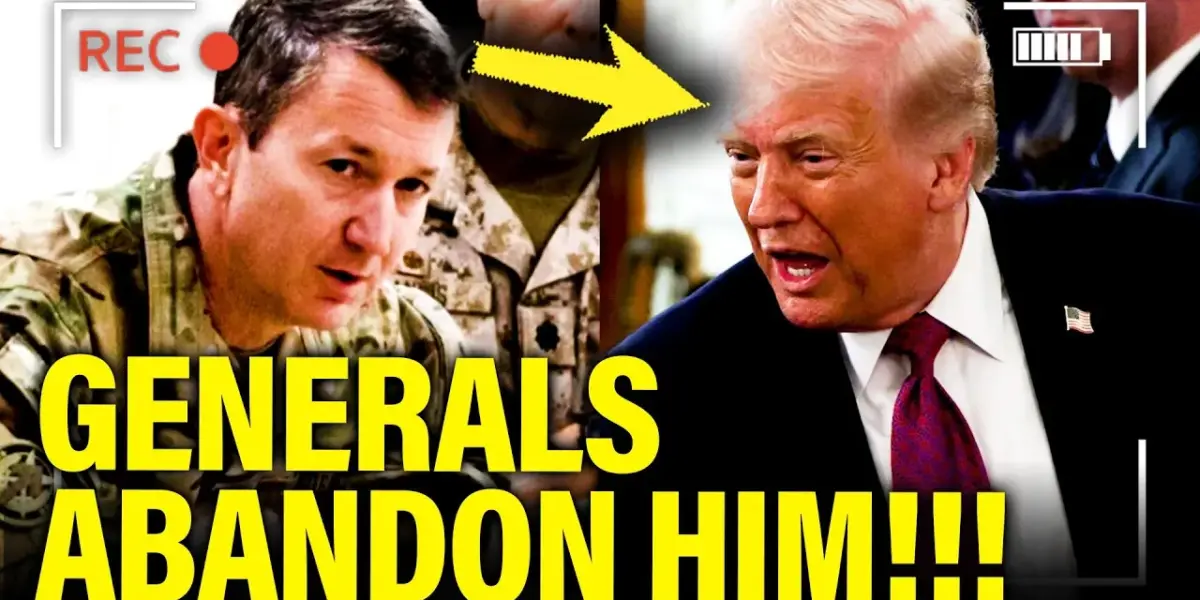
Military Leaders Clash With Trump Amid War Woes
Reports from The Wall Street Journal suggest growing unease within the military regarding President Trump’s leadership, especially concerning the ongoing conflict. This isn’t just coming from critics; the traditionally conservative outlet’s reporting highlights internal struggles and a disconnect between public statements and private actions.
The Journal’s reporting points to a president who, while projecting confidence publicly, may be privately struggling with the war’s progress. One account describes Trump screaming at aides for hours after learning of missing pilots, leading to concerns about his impulsiveness and even limited access to real-time military updates for him.
Further allegations suggest that Chairman of the Joint Chiefs of Staff, General Dan Kaine, may have blocked Trump from accessing nuclear codes during a heated moment in the Situation Room. This account, cited by The Mirror and a former CIA analyst, paints a picture of deep concern among top military officials about the President’s judgment and stability.
Public vs. Private: A Tale of Two Trumps
Publicly, President Trump has presented a strong narrative of success in the conflict, claiming significant military victories and nearing a deal. He has asserted his leadership as steady and effective, emphasizing his hardline negotiating style and his willingness to use further options if necessary. His supporters often point to these statements as proof of his resolve and ability to deliver.
However, the private accounts suggest a different reality. The Wall Street Journal reports frustration with allies not joining the war, alarm over rising gas prices, and a personal worry about his legacy. This contrast between his public bravado and private concerns fuels questions about his true grip on the situation and his decision-making process.
Turbulence in the Pentagon: A Wave of Dismissals
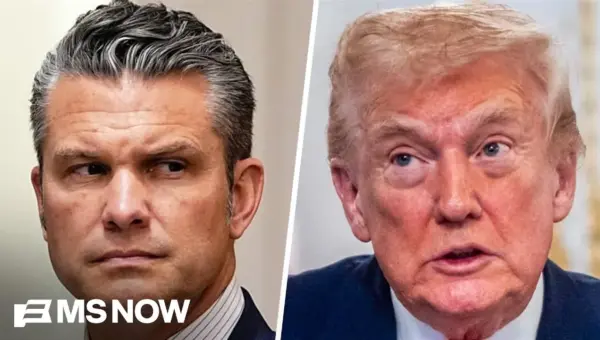
Adding to the turmoil, Defense Secretary Pete Hegish has been involved in a series of abrupt firings of senior military commanders. One notable instance involved the dismissal of Army Chief of Staff General Randy George, reportedly over a brief phone call, leading to questions about loyalty and respect for military leadership.
General George, described by those who know him as intelligent, strategic, and dedicated to his service members, was considered a generational leader transforming the Army. His dismissal, along with that of other top generals, has surprised many within the military and raised concerns about a lack of thoughtful decision-making during a critical time.
These firings are part of a larger trend under Hegish, who has replaced a significant portion of the Joint Chiefs of Staff. Critics point out that the current leadership team is composed entirely of white men, despite the military’s diverse ranks, and that these decisions have occurred amidst disputes over promotions, including those for women and minority officers.
Public Opinion Tilts Against the War
As these internal conflicts unfold, public opinion on the war appears to be souring. Recent CNN polling shows that only a third of Americans approve of President Trump’s handling of the conflict, with two-thirds disapproving of the military action. Strong opposition has grown significantly since the war began.
A majority of Americans believe the war is likely to become a long-term conflict, and there is widespread opposition to sending U.S. ground troops into Iran. A large percentage of the public does not want Congress to authorize additional funding for the war, indicating a desire for de-escalation and a shift in strategy.
Why This Matters
The accounts of internal military dissent and the President’s alleged erratic behavior raise serious questions about national security and the stability of decision-making during wartime. When trust erodes between civilian leadership and military commanders, it can lead to poor strategic choices and unintended consequences.
The disparity between public pronouncements and private realities suggests a leadership style that may prioritize image over substance. This can mislead both the American public and international allies, potentially prolonging conflicts and increasing risks. The dismissals of experienced military leaders also signal a potential loss of valuable expertise and strategic foresight within the Pentagon.
Looking Ahead
The coming weeks and months will be crucial in understanding the true state of affairs within the Trump administration and its approach to ongoing conflicts. Public opinion, as reflected in polling, suggests a growing desire for a change in course, putting pressure on the President and his team to provide clearer answers and more effective strategies.
The military’s response to these internal pressures, and the President’s reactions to them, will shape the future direction of U.S. foreign policy and military engagement. The outcome of these internal clashes could have long-lasting effects on the military’s readiness and its relationship with civilian command.
Source: 🚨Trump Term NEARS COLLAPSE as Military ABANDONS HIM (YouTube)

Related Articles

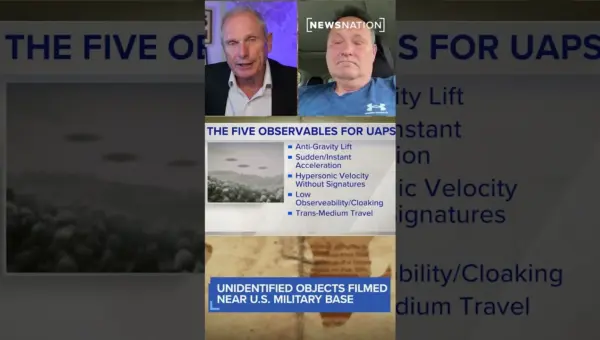
Mysterious Objects Defy Physics Near US Base
Mysterious objects filmed near a US military base appear to move with instantaneous velocity, baffling observers and defying known physics. This footage adds to a long history of unexplained aerial phenomena, raising questions about technology and national security.

Iran Blinks: Trump Extends Ceasefire Amidst Tense Standoff
President Trump has extended the ceasefire with Iran, despite Iran's refusal to attend peace talks. This decision follows earlier threats of military action and displays of U.S. military readiness, raising questions about America's negotiating strength.
Trump’s Iran Strategy Falters Amid Strait of Hormuz Crisis
President Trump's strategy for dealing with Iran is under scrutiny as tensions rise over the Strait of Hormuz. Despite U.S. military actions, Iran appears to maintain significant leverage, controlling a vital global oil route. Mixed messages from the White House and a hardline new Iranian leadership add complexity to the ongoing diplomatic efforts.