Veterans’ Protest Exposes Trump’s Slipping Grip
Veterans' anti-war protests in the Capitol highlight growing dissent, while polls reveal a dramatic drop in Donald Trump's approval ratings, especially on inflation. This signals potential challenges for his political future and the Republican party.

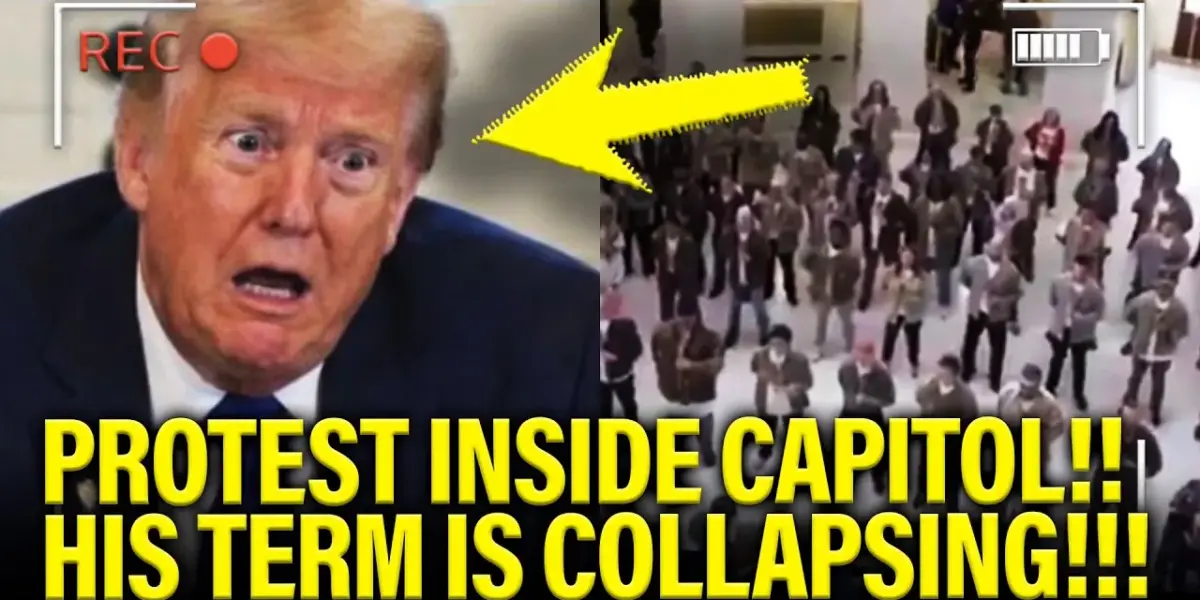
Veterans’ Protest Exposes Trump’s Slipping Grip
A powerful anti-war protest recently took place in the nation’s capital, led by veterans and disabled veterans. They gathered to voice their strong opposition to the war in Iran, calling it unlawful and disastrous.
The act of civil disobedience saw many of them arrested for peacefully demonstrating. This event clearly rattled figures like Donald Trump and his supporters.
The demonstrators held red tulips, a symbol of sacrifice in Iranian culture. They did this to honor the thousands of Iranians who have lost their lives.
Their message was clear: they demanded an end to the war and urged Congress not to approve any more funding. They also called for all U.S. military personnel to return home.
Public Opinion Shifts Dramatically
The protest highlights a growing concern about foreign policy and its impact at home. This comes at a time when public opinion polls suggest a significant drop in support for Donald Trump.
Some reports indicate his popularity is lower than that of Richard Nixon at the time of his resignation. This is a stunning comparison, especially considering Nixon’s Watergate scandal.
Inflation remains the top issue for most Americans, and recent polling shows President Trump performing poorly on this front. Approval ratings on handling inflation have hit record lows across multiple polls.
For instance, one poll showed him 36 points underwater, while another indicated a 47-point deficit. These numbers suggest a major disconnect between the administration and the concerns of everyday citizens.
A 50-Point Swing in Voter Sentiment
The shift in public trust on inflation is especially stark when looking at voter data. In the 2024 election cycle, Trump was perceived as more trustworthy on inflation than his opponent.
However, that advantage has evaporated, showing a nearly 50-point swing away from him on this key issue. This indicates a substantial change in how voters view his economic leadership.
The situation is even more dramatic among independent voters. While Trump once held a 10-point lead on inflation with this group, he now sits 60 points underwater.
This 70-point shift in less than two years is a significant indicator of his weakening position. It suggests that core strengths Trump once relied on are no longer resonating with the electorate.
Impact on Republican Support
These declining numbers could have serious consequences for the Republican party. While Trump himself may not be on the ballot in every race, many Republican members of Congress are. If these negative trends continue, it could jeopardize their chances of holding onto their majority in the House and potentially the Senate.
Even some media outlets typically seen as supportive of Trump are acknowledging the public’s struggles. Reports highlight people finding it difficult to afford groceries, a direct reflection of economic concerns. This suggests that the administration’s focus may be misaligned with the pressing needs of the population.
Criticism from Unexpected Corners
The sentiment is echoed by some commentators and former supporters. Some podcasts and online personalities, who previously championed Trump, are now expressing deep reservations. They question the rationale behind certain foreign policy decisions, particularly the war in Iran.
One prominent critic, comedian Theo Von, voiced confusion and concern over the continued involvement in foreign conflicts. He questioned who these wars actually benefit, suggesting they do not help the average American worker or family. His remarks highlight a growing disillusionment with prolonged military engagements and their perceived lack of domestic benefit.
Unsettling Rhetoric and Public Reaction
Adding to the controversy are Trump’s own public statements. A tweet sent on Easter, which mentioned potential attacks on Iran and used aggressive language, drew widespread criticism. Many found the timing and tone of the message to be inappropriate and even disturbing, especially during a time of religious observance focused on hope and renewal.
Even figures often associated with right-wing media, like Alex Jones, have expressed skepticism about Trump’s recent actions. Jones suggested that Trump’s current behavior is uncharacteristic and may indicate a strategic shift or a deal with opposing forces. This is a surprising development, given Jones’s past support for Trump.
Former Allies Express Regret
Notable figures who previously supported Trump are now speaking out with regret. Tucker Carlson, a former Fox News host, has acknowledged his role in promoting Trump. He stated that he and millions of others are “implicated” in the current political climate due to their past support.
Carlson admitted that simply changing one’s mind is not enough. He expressed personal torment and apologized for potentially misleading people, though he maintained it was unintentional. This reflection from a key influencer signals a broader reckoning among those who once championed Trump’s rise.
Concerns Over Focus on Foreign Policy
The narrative that the Trump administration is too focused on foreign matters at the expense of domestic issues is gaining traction. Polling data indicates that a majority of Americans believe the administration is looking abroad too much. They feel there has been too little attention paid to problems here at home.
This sentiment is further illustrated by the performance of Vice President JD Vance. His popularity has declined significantly since taking office.
He has gone from a positive net approval rating to a negative one, a 21-point swing. Historically, his low approval ratings place him among the least popular vice presidents at this stage of their term.
A Challenging Political Climate
The current political environment appears challenging for many figures associated with the Trump movement. The concerns raised by veterans, coupled with shifting public opinion on key issues like inflation and foreign policy, suggest a difficult road ahead. The upcoming elections will likely be a significant test of these trends.
The analysis suggests that the core strengths that propelled Trump to power may be eroding. As voters increasingly prioritize domestic concerns and express fatigue with foreign conflicts, political strategies may need to adapt. The upcoming months will be crucial in determining whether these shifts represent a temporary dip or a more lasting change in voter sentiment.
Why This Matters
This situation is significant because it illustrates a potential turning point in public perception of Donald Trump and his political influence. The protest by veterans, a group often seen as patriotic and supportive of military action, adds a moral dimension to the anti-war sentiment. Their willingness to engage in civil disobedience and face arrest highlights the depth of their conviction.
The stark decline in Trump’s approval ratings, particularly on the critical issue of inflation, suggests a loss of confidence among a broad segment of the electorate. This is not just about Trump; it impacts the entire Republican party, as many of their electoral prospects are tied to his popularity and the issues he champions. The criticism from former allies and the focus on domestic concerns over foreign entanglements signal a potential shift in the political landscape.
Looking Ahead
The coming months will be critical. The focus on inflation and domestic issues is likely to intensify as elections approach.
How political leaders address these concerns will be paramount. The effectiveness of the anti-war message from veterans could also shape public discourse on foreign policy.
The trend of declining popularity for vice presidents, including JD Vance, might indicate a broader public weariness with established political figures. As voters look for solutions to their economic anxieties and reassess foreign policy, the political strategies of both parties will be under scrutiny. The upcoming elections will be a key indicator of whether these concerns translate into significant electoral shifts.
Source: Trump SHOCKED as MASS PROTESTS Hit CAPITOL!!! (YouTube)

Related Articles
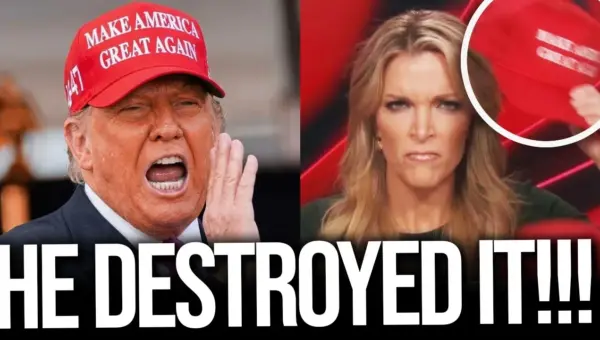
MAGA Stars Flee Trump: A Calculated Exit, Not a Moral Awakening
Prominent MAGA figures like Tucker Carlson and Megyn Kelly are distancing themselves from Donald Trump, but critics argue this is a calculated move, not a moral awakening. Leaked texts and past statements cast doubt on their sincerity, suggesting a shift driven by political expediency rather than principle. The debate questions whether these figures can ever be trusted allies.
Americans Reject Trump’s Iran Stance Swiftly
A new NBC poll reveals that a vast majority of Americans disapprove of Donald Trump's handling of the Iran situation, with opinions forming much faster than during past conflicts. This rapid disapproval, coupled with a lack of clear justification from the administration, highlights a public that is highly engaged and critical of foreign policy decisions.
Iran Ceasefire Deadline Looms Amid US Pressure and Nuclear Concerns
The US-Iran ceasefire is nearing its expiration, with President Trump accusing Iran of multiple violations. Tensions are high as the US maintains a naval blockade and extends pressure globally. Meanwhile, Texas is suing ActBlue over alleged fraudulent donations, and Canada is addressing alleged CCP transnational repression targeting Falun Gong practitioners.