UNICEF: Children Face Trauma as Lebanon Bombing Continues
UNICEF reports that hundreds of thousands of children in Lebanon are displaced and suffering immense trauma due to ongoing Israeli bombing campaigns. Significant funding cuts to global aid are hampering critical relief efforts, leaving the organization severely underfunded. Families returning home find their houses destroyed, with many questioning the targeting of civilian areas and schools.

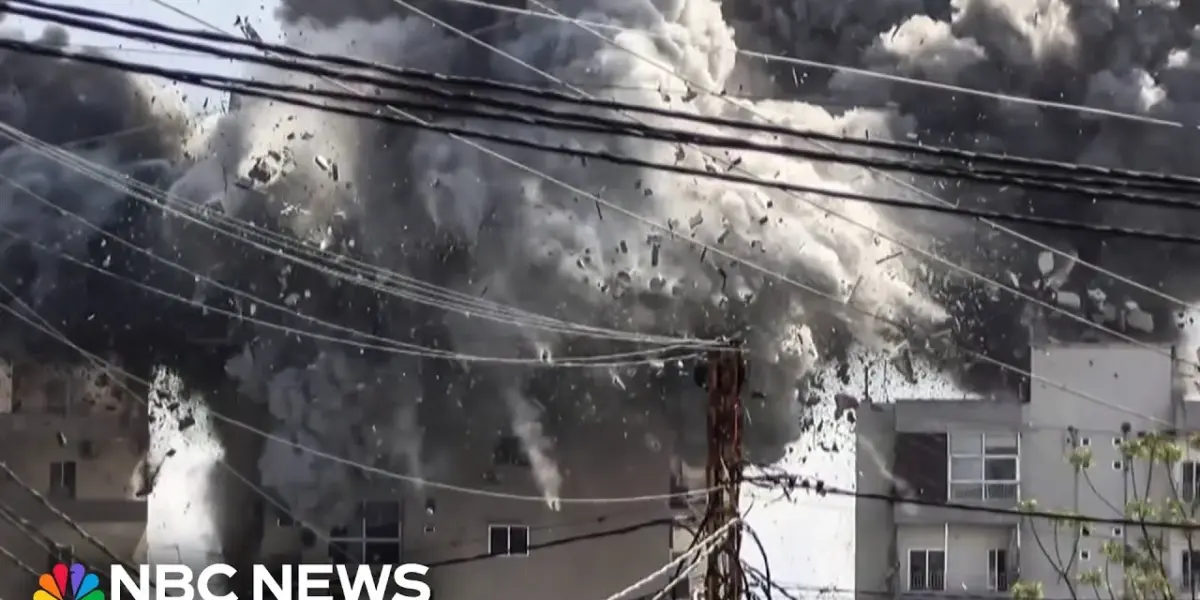
UNICEF Reports Dire Need in Lebanon Amid Ongoing Conflict
The Israeli military continues its bombing campaign in southern Lebanon, drawing strong accusations from Hezbollah for firing rockets at Israeli troops. In response, Israel has launched its own strikes, despite a fragile ten-day ceasefire. U.S. officials are expected to host a second round of talks this Thursday, aiming to extend the current pause in fighting.
As the conflict persists, hundreds of thousands of Lebanese citizens forced from their homes are beginning to return to southern Lebanon. Many are finding their homes reduced to rubble.
According to UNICEF, over one million people have been displaced by the violence, including nearly 400,000 children. The situation on the ground is described as bleak, with immediate humanitarian needs for families and children being immense.
Children Bear the Brunt of Displacement and Violence
James Elder, a UNICEF representative speaking from Beirut, described the severe impact on children. “You’ve got 400,000 children who have been displaced,” Elder stated.
He emphasized that displacement is not a neutral term; it is violent and disruptive. Children lose their homes, adding to the anxiety of parents who have spent decades building their lives.
Many homes in southern Lebanon are still being demolished by Israeli forces. Hundreds of thousands of children are now sleeping in schools, which are also serving as temporary shelters.
UNICEF is working tirelessly to provide essential supplies like biscuits and blankets, as well as trucking in water to affected areas. The organization is also offering psychological and medical support through mobile health teams.
Funding Cuts Hamper Critical Aid Efforts
Compounding the crisis, UNICEF faces significant budget shortfalls this year due to government funding cuts to global aid. Elder described this as a “moral retreat,” happening at a time when international humanitarian law seems to be abandoned. He noted the increase in indiscriminate attacks, attacks on health workers, and assaults on services children rely on.
“We’re seeing those funding cuts. You talk of unprecedented funding cuts,” Elder said.
He drew a parallel to the 2008 financial crisis, where banks received bailouts, but “no one is bailing out the children.” This lack of funding means critical supplies like nutrition and vaccines are unavailable at a moment of desperate need. In Lebanon, UNICEF is currently less than one-quarter funded, severely limiting its ability to provide essential services for children and mothers.
Long-Term Trauma and the Search for Safety
The long-term impact on children in Lebanon is particularly grave. The country is still recovering from a recent escalation, including around 150 airstrikes in just ten minutes, which killed dozens of children. Families returning home are finding them destroyed or inaccessible, with entire areas now cordoned off and subject to ongoing demolitions.
Elder shared a harrowing personal account. He met a UNICEF colleague who was walking across the rubble of his sister’s home. His sister, a preschool teacher, and her three-year-old son were killed in a recent airstrike.
The colleague, holding up his nephew’s schoolbooks, questioned why such places were targeted. Elder stressed that such events are no longer rare but have become routine in Lebanon and Gaza.
Hopes for Peace Amidst Uncertainty
As the interview concluded, Elder addressed the hopes of the Lebanese people for an extended ceasefire. “They have to hope,” he stated, acknowledging the political realities.
The Lebanese people are well aware of the situation and do not want further war. However, they remember the previous ceasefire, which saw thousands of official breaches by Israel.
While holding onto hope, the people understand that more than just hope is needed for their children and families to be truly safe in the coming days and weeks. The current situation demands a lasting resolution to ensure safety and stability for the region’s most vulnerable.
Source: ‘No one feels safe’ as Israel continues bombing campaign in Lebanon: UNICEF spokesperson (YouTube)

Related Articles

Germany-Israel Ties Tested Amid Policy Differences
Germany and Israel are experiencing strains in their relationship, marked by a lack of top-level cabinet talks since 2018 and differing views on the two-state solution and the Gaza conflict. Despite these policy gaps, Germany demonstrated significant political engagement with Israel following the October 7th attacks, sending numerous high-ranking officials.

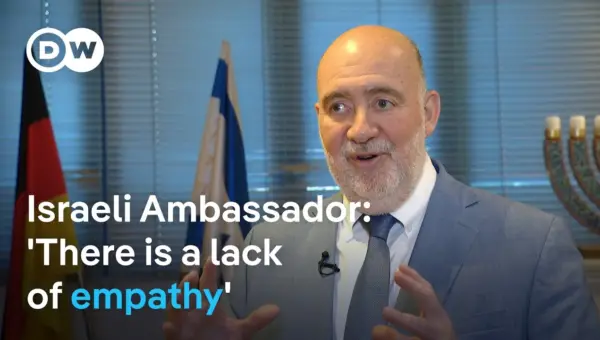
Israel Envoy Cites ‘Lack of Empathy’ Amid Regional Tensions
Israeli Ambassador Ron Prosor spoke from Berlin about the dual significance of remembrance and independence days, amid ongoing regional conflicts. He highlighted a perceived lack of empathy towards Israel internationally and discussed the rise of antisemitism in Europe, urging stronger global solidarity.

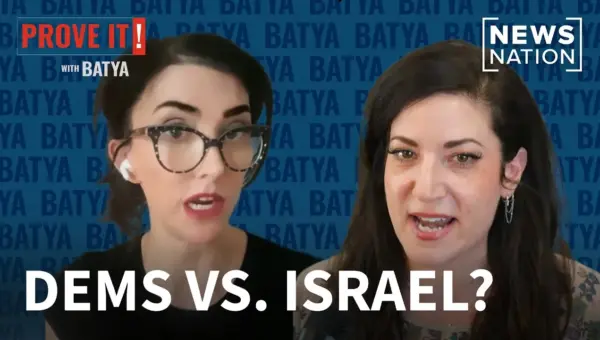
Democrats Divided: Israel’s Role Sparks Fierce Party Battles
A debate between Batya Ungar-Sargon and Brianna Wu explores the shifting stance of the Democratic Party on Israel. While some see a growing anti-Israel sentiment fueled by progressive elements, others believe mainstream voters remain supportive and that the party can course-correct by emphasizing national security and moral clarity.