Trump Extends Iran Ceasefire Amid Chaotic Policy Swings
President Donald Trump extended the Iran ceasefire just before it expired, a decision that followed days of wavering plans for negotiations. This move, coupled with earlier statements about expecting to bomb Iran, highlights a pattern of erratic foreign policy. The uncertainty is impacting public confidence and global alliances, with many Americans concerned about domestic priorities and economic costs.

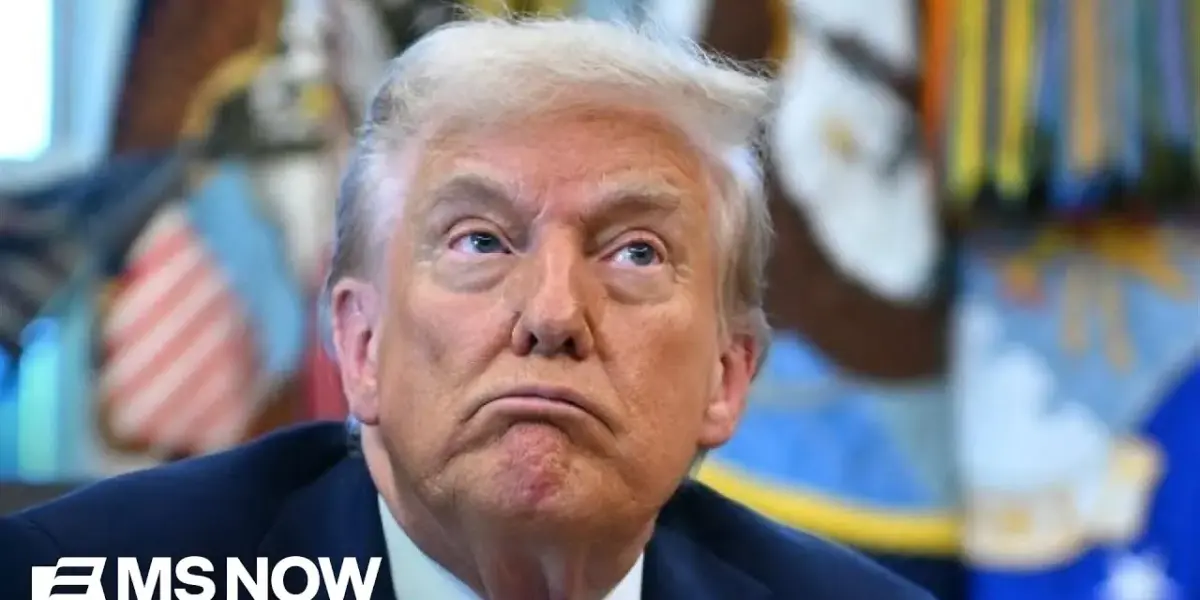
Trump Extends Iran Ceasefire Amid Chaotic Policy Swings
In a move that surprised many, President Donald Trump extended the ceasefire with Iran just hours before it was set to expire. This decision comes after days of uncertainty regarding Vice President J.D.
Vance’s potential trip to Pakistan for negotiations, a trip that saw multiple changes in plans. While the extension offers more time for peace talks, it highlights a pattern of erratic decision-making in handling the complex situation.
Earlier on the same day, Trump stated his expectation of resuming bombing Iran if a deal wasn’t imminent. “I expect to be bombing because I think that’s a better attitude to go in with,” he said on a morning television show. This stark contrast between expecting to bomb and extending a ceasefire highlights the unpredictable nature of the administration’s foreign policy approach.
Conflicting Signals and Economic Concerns
The confusion extends beyond the Iran negotiations. Trump predicted that gas prices would remain the same or slightly increase by the midterm elections in November.
However, he also expressed displeasure with his energy secretary for suggesting prices would stay above $3 a gallon until 2027. This mixed messaging on economic issues adds to the overall sense of uncertainty.
The Straight of Hormuz, a critical waterway, has also been a point of fluctuating policy. It was initially reported as closed, then open, and then closed again, adding further complexity to an already tense international situation. Observers note that this constant change leaves allies unsure of the U.S. stance and adversaries uncertain of how to react.
“Trump’s constant vacillation on what he wants to accomplish in Iran has not inspired confidence. Allies do not know what to believe. Adversaries do not know what to fear, and his own cabinet does not know what his strategy or intentions actually are.”
Thomas Wright, former National Security Council official
Public Confidence and Domestic Priorities
A recent Pew poll indicates a significant lack of public confidence in Trump’s ability to make sound decisions regarding Iran. Only 36% of Americans expressed confidence, with 64% having none. This sentiment is echoed by constituents in states like Michigan, who are more concerned about domestic issues like education and healthcare.
Senator Elissa Slotkin of Michigan, a member of the Homeland Security and Armed Services Committees, noted the public’s desire for focus on home-front issues. “The biggest thing I hear is just kind of like, hey, you know, I hear we’re spending all this money over there.
I’m worried about, you know, my son or my a nephew who’s over there,” she stated. Many feel that the vast sums of money allocated to foreign operations could be better used to address pressing domestic needs.
The Cost of Uncertainty
The visible impact of foreign policy decisions is often seen at the gas pump. With prices for gasoline and diesel remaining high, Americans are constantly reminded of the costs associated with global instability. This direct financial impact fuels a sentiment that the administration is not prioritizing the economic well-being of its citizens.
Many Americans feel that the President has not followed through on promises to focus on domestic emergencies. Instead, he has largely pursued a foreign policy agenda, leading to frustration. This disconnect between campaign promises and executive actions is a significant factor in public perception, particularly in the Midwest.
Shifting Political Climate and Global Realignment
The upcoming midterm elections are being viewed through the lens of the administration’s performance. There is notable internal political maneuvering, with some Republicans appearing to prepare for potential losses. This suggests a recognition that the current direction may not be resonating with voters.
The international stage is also reflecting a change in global dynamics. Canadian Prime Minister Mark Carney recently delivered a speech highlighting a more dangerous and divided world. He pointed to the U.S. shift in trade policy, with tariffs reaching Great Depression levels, as a significant factor weakening long-standing alliances.
“Hope isn’t a plan, and nostalgia is not a strategy.”
Canadian Prime Minister Mark Carney
A World Transformed
The current international climate is a far cry from what was anticipated even a decade ago. Senator Slotkin expressed surprise at the nature of the current global discourse. “Just the fact that a Canadian prime minister can give that speech is, you know, if you would have told me 10 years ago that I’d be watching that on TV, I would have said there’s no freaking way,” she said.
This shift is partly attributed to a strategy of alienating allies while seeking closer ties with adversaries. Such an approach creates instability and uncertainty, impacting not only geopolitical relationships but also the economic well-being of nations worldwide. The coming months will be crucial in determining whether this approach leads to greater global security or further division.
Source: ‘I expect to be BOMBING’: Trump's ERRATIC behavior on display hours before extending Iran ceasefire (YouTube)

Related Articles
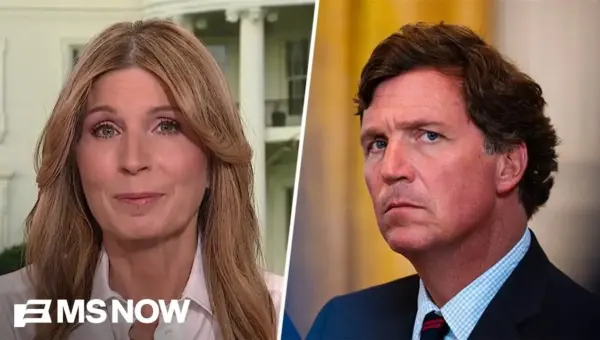
Nicolle Wallace Doubts Tucker Carlson’s Trump Apology
Nicolle Wallace expressed deep skepticism over Tucker Carlson's apparent regret for supporting Donald Trump. Analysts suggest Carlson's critique stems from Trump's perceived weakness, not moral objection, and aims to steer his base toward more extreme ideologies. The discussion contrasted this with Joe Rogan's advocacy for psychedelics, highlighting concerns about persuasive demagoguery.

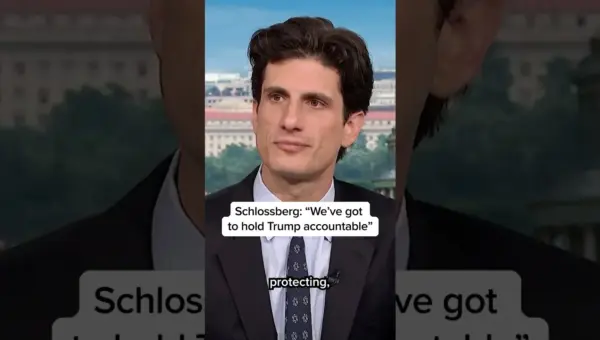
JFK’s Grandson Demands Trump Accountability, Urges Voter Focus
JFK's grandson and Democratic candidate Jack Schlossberg is calling for former President Donald Trump to be held accountable for alleged crimes. He also urges Democrats to focus on voter concerns like affordability to improve their electoral prospects. Schlossberg believes a dual approach is vital for both justice and political success.
Iran Ceasefire: US Extends Truce, But What’s Next?
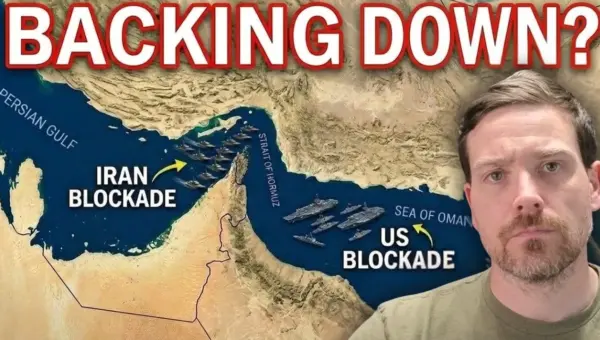
President Trump has extended the ceasefire with Iran indefinitely, a surprising move that may signal a new long-term status quo. This decision comes as Iran reportedly expands its war aims, leveraging its influence over the Strait of Hormuz to seek concessions beyond regime survival. The U.S. continues its maritime interdictions, seizing Iranian vessels globally, as diplomatic talks remain uncertain.