Trump Extends Iran Ceasefire, Continues Port Blockade
President Trump has extended the ceasefire with Iran following requests from Pakistani officials, though the U.S. will continue blockading Iranian ports. Vice President Vance's planned peace talks in Pakistan remain on hold amidst conflicting timelines and accusations between the two nations. Meanwhile, Kevin Warsh's nomination to lead the Federal Reserve faces significant hurdles, including Senator Thom Tillis's blockade over an investigation into Fed Chair Jerome Powell.

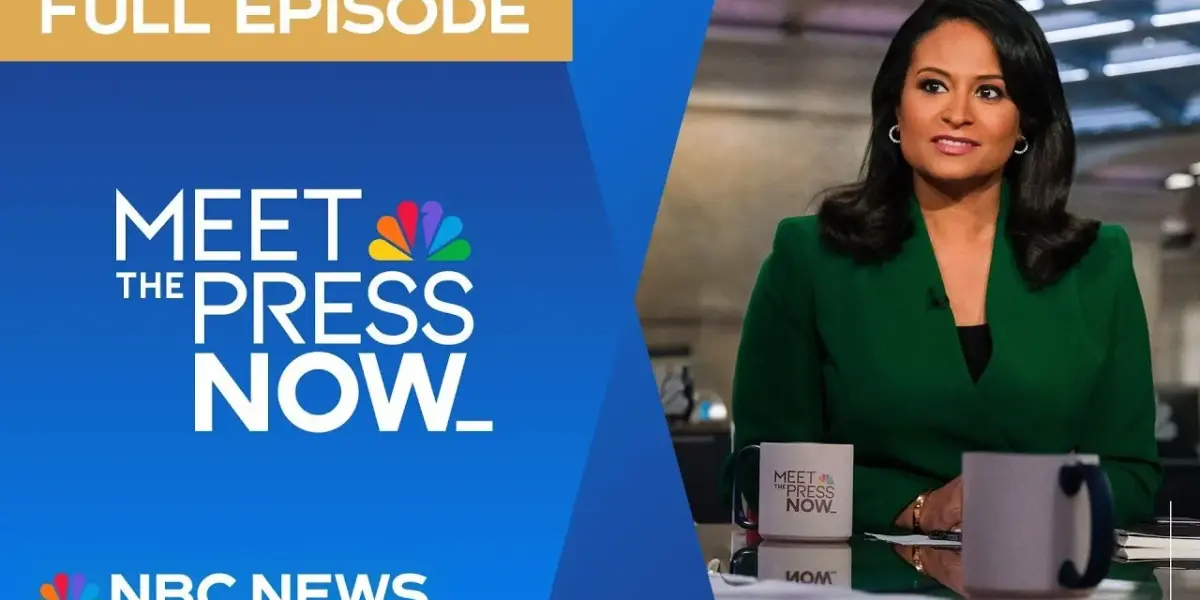
Trump Extends Iran Ceasefire, Continues Port Blockade Amid Diplomatic Uncertainty
President Trump announced on social media that he is extending the ceasefire with Iran, a move he stated was made at the request of Pakistani officials. However, the U.S. will continue to blockade Iranian ports. This decision comes after a day of rapid developments and uncertainty surrounding potential peace talks.
High-Stakes Diplomacy Hangs in the Balance
Vice President Vance’s planned trip to Pakistan for in-person peace talks with Iran is currently on hold. Vance, along with Special Envoy Steve Witkoff and President Trump’s son-in-law Jared Kushner, met with the President at the White House throughout the day. These meetings aimed to clarify the U.S. position as Pakistani mediators worked to convince Iranian leadership to attend the talks.
Conflicting Timelines and Accusations Cloud Ceasefire
Confusion persists regarding the exact expiration of the current ceasefire. While Pakistani mediators stated it would lapse by 8 p.m. That evening, President Trump told Bloomberg it would expire sometime the following day.
President Trump also took to social media to accuse Iran of violating the ceasefire multiple times. In an interview, he expressed a readiness to resume military strikes if a final deal was not reached, stating, “I want to make it not a good deal. I want to make a great deal.”
Iran Expresses Skepticism Amid U.S. Actions
Iran’s Foreign Ministry indicated that no final decision had been made on their participation in the talks. They accused the U.S. of inconsistent behavior and unacceptable actions.
This stance comes as the U.S. administration has been escalating its enforcement operations at sea, intercepting vessels suspected of providing material support to Iran. The Pentagon released video of U.S. forces boarding a sanctioned tanker in the Pacific, the second such boarding in recent days.
China’s Role and Upcoming Summit Under Scrutiny
President Trump commented that the recently seized vessel contained “a gift from China for Iran.” This statement raises questions about Beijing’s support for Tehran, especially with a high-stakes meeting between President Trump and Chinese President Xi scheduled in the coming weeks. While White House officials maintain the summit is still on, the incident adds another layer of complexity to the U.S.-China relationship.
U.S. Military Readiness and Potential Targets
Despite the ceasefire extension, U.S. military forces in the region remain prepared for potential strikes. Experts suggest that if negotiations fail, targets could include power plants and bridges, although legal debates exist regarding the validity of such targets. The military has the capacity and training for further maritime interdictions, signaling a continued U.S. strategy to pressure Iran.
Federal Reserve Nomination Faces Hurdles
In parallel developments, Kevin Warsh, President Trump’s nominee to lead the Federal Reserve, faced a challenging confirmation hearing. Warsh defended his record and insisted on his independence from political pressure, even as President Trump publicly expressed a desire for lower interest rates.
Republican Senator Thom Tillis is blocking Warsh’s nomination, demanding the Justice Department drop an investigation into Fed Chair Jerome Powell. Tillis argues the investigation is baseless and is holding up the confirmation process.
Concerns Over Warsh’s Independence and Wealth
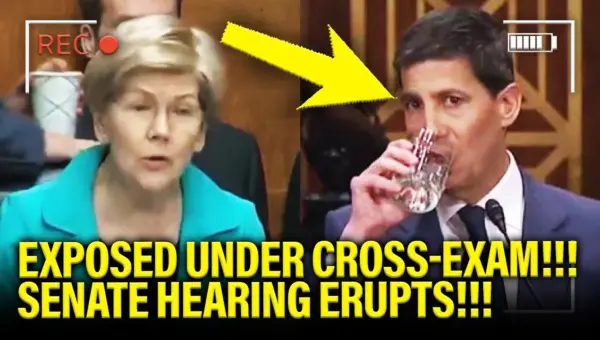
Democrats questioned Warsh’s independence, particularly given President Trump’s vocal opinions on interest rates. Senator Elizabeth Warren pressed Warsh on his personal wealth and potential conflicts of interest. Warsh, citing confidentiality agreements, repeatedly declined to disclose the specifics of his holdings, though he acknowledged he would need to divest them if confirmed.
Virginia Redistricting Battle
Meanwhile, in Virginia, voters headed to the polls on Election Day to decide on a redistricting plan. This vote could potentially grant Democrats four additional seats in Congress. The redistricting effort is part of a larger, nationwide battle over how political maps are drawn, with both parties seeking to gain electoral advantages.
Looking Ahead
The extension of the Iran ceasefire provides a temporary reprieve, but the underlying tensions remain. The upcoming weeks will be critical in determining if meaningful progress can be made in the peace talks or if the U.S. will revert to a more confrontational stance. Simultaneously, the confirmation of Kevin Warsh as Federal Reserve chair, and the ongoing redistricting battles, will shape economic policy and political representation in the near future.
Source: Meet the Press NOW — April 21 (YouTube)

Related Articles
Iran Ceasefire: US Extends Truce, But What’s Next?
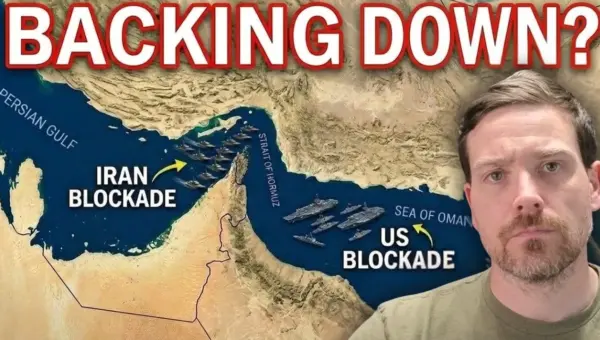
President Trump has extended the ceasefire with Iran indefinitely, a surprising move that may signal a new long-term status quo. This decision comes as Iran reportedly expands its war aims, leveraging its influence over the Strait of Hormuz to seek concessions beyond regime survival. The U.S. continues its maritime interdictions, seizing Iranian vessels globally, as diplomatic talks remain uncertain.


US-Iran Talks Collapse: Ceasefire in Peril, War Looms
US-Iran peace talks have collapsed, leaving a vital ceasefire in jeopardy. Iran refuses to negotiate as long as the US naval blockade remains, threatening an "unlimited" response to any US strike. Former President Trump has indicated a lack of interest in extending the ceasefire and expects military action.
Trump Fed Pick Faces Scrutiny Over Epstein Ties
Kevin Warsh, a nominee for Federal Reserve chair, faced tough questioning from senators regarding his financial ties to Jeffrey Epstein and undisclosed assets. His responses often skirted direct answers, raising concerns about transparency and independence.