Trump Fed Pick Faces Scrutiny Over Epstein Ties
Kevin Warsh, a nominee for Federal Reserve chair, faced tough questioning from senators regarding his financial ties to Jeffrey Epstein and undisclosed assets. His responses often skirted direct answers, raising concerns about transparency and independence.

Trump Fed Nominee Faces Tough Questions on Past Dealings
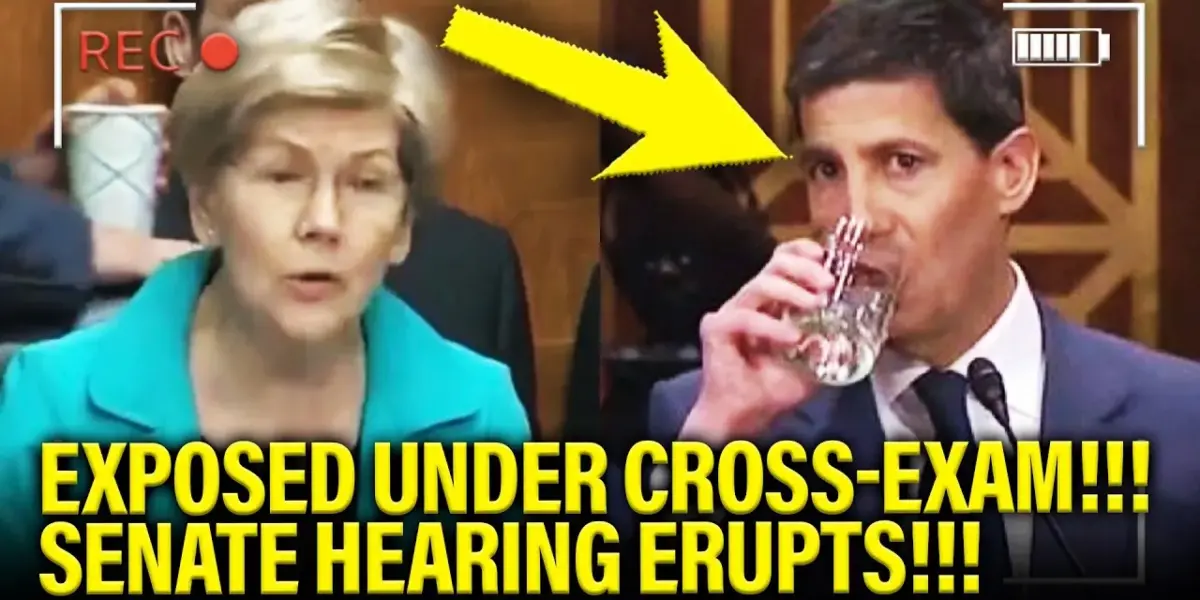
Kevin Warsh, a top pick by former President Trump to lead the Federal Reserve, faced intense questioning during his Senate testimony. Democratic senators pressed him on his past connections, particularly those involving Jeffrey Epstein, and his financial holdings. Warsh’s responses often deflected direct answers, sparking further debate about his suitability for the high-stakes role.
Senator Warren Grills Nominee on Undisclosed Assets and Epstein Links
Senator Elizabeth Warren led the charge, questioning Warsh about nearly $100 million in undisclosed assets. She specifically asked if any of these investments were tied to companies affiliated with President Trump, entities involved in money laundering, or financing vehicles established by Jeffrey Epstein. Warsh stated he had agreed to sell all his financial assets if confirmed, but avoided a direct yes or no to the specific investment questions.
Warsh’s attempt to pivot to his agreement with ethics officials was met with further skepticism from Warren. She questioned his plan to disclose and divest these assets, noting the potential for public distrust if major donors, like billionaire Stanley Druckenmiller, were seen to benefit him financially. The exchange highlighted concerns about potential conflicts of interest and transparency.
Warsh’s Credibility Questioned Amidst Broader Fed Ethics Concerns
The Federal Reserve has faced ethics scandals involving several officials in recent years. This history makes the vetting of any new chair crucial, as their decisions significantly impact markets, savings, and the global economy. Senator Warren emphasized that the next chair must have no financial conflicts, a standard she questioned Warsh’s ability to meet given his vast, undisclosed investments.
Nominee’s Economic Outlook Meets Skepticism
Beyond financial ties, Warsh’s views on the economy were also put to the test. When asked to assign a letter grade to the U.S. economy for the average working family, Warsh offered a non-committal response, referencing academic traditions of giving high marks. This answer was contrasted with the realities faced by many Americans struggling with everyday costs.
Senator Raphael Warnock also questioned Warsh’s assessment of the economy, particularly in light of concerns about job growth and consumer confidence. Warsh suggested the broad contours of the economy were improving, but acknowledged more work was needed. This statement was challenged by senators who argued economic data did not support such an optimistic view for ordinary citizens.
Independence and Past Statements Under Fire
Warsh’s independence was also a key point of contention. Senator Warren directly asked if he believed Donald Trump lost the 2020 election, a question Warsh deflected by stating the body had certified the election. This avoidance was seen by some as a lack of willingness to stand firm on factual matters, raising doubts about his ability to resist political pressure.
Senator Catherine Cortez Masto brought up Warsh’s past statements from 2007, where he downplayed risks associated with subprime mortgages shortly before the 2008 financial crisis. His assertion that he had no regrets was questioned, with senators wondering if his economic theories could be trusted to guide the economy through current challenges.
Historical Economic Judgment and Future Policy
Warsh defended his past remarks on subprime mortgages, explaining that he believed asset prices were generally mispriced at the time. He also mentioned warning about risks within Fannie Mae and Freddie Mac. However, his explanations did not fully satisfy senators concerned about his judgment during critical economic junctures.
The nomination also touched upon the potential impact of artificial intelligence on the economy and interest rates. Warsh suggested AI could influence productivity and enable rate cuts, a view that some economists reportedly reject, finding it implausible. This highlighted ongoing debates about how new technologies might reshape economic forecasting and policy.
Transparency and Trust in the Confirmation Process
Throughout the hearings, a central theme was transparency and trust. Senators repeatedly sought direct answers regarding Warsh’s financial entanglements and his willingness to prioritize public interest over potential personal or political gain. His ability to navigate complex ethical questions proved a significant hurdle in the confirmation process.
The cross-examination also revealed a conflict regarding Warsh’s interactions with then-President Trump. While Warsh testified that Trump did not demand interest rate cuts, a Wall Street Journal report cited sources claiming Trump did press him on the issue. This discrepancy raised serious questions about Warsh’s credibility and who was being truthful.
Why This Matters
The Federal Reserve plays a critical role in managing the U.S. economy. Its decisions on interest rates and monetary policy affect everything from job growth and inflation to the cost of borrowing for families and businesses. If confirmed, the Fed chair’s actions and perceived independence are vital for maintaining economic stability and public confidence.
Implications and Future Outlook
The intense scrutiny faced by Kevin Warsh highlights the high expectations for leadership at the Federal Reserve. Concerns about financial conflicts, past economic judgments, and political independence are paramount. These issues will likely continue to shape discussions around his nomination and the future of the Fed’s credibility.
The nomination process is a public examination of how potential leaders handle ethical dilemmas and complex economic questions. The outcome of Warsh’s confirmation will depend on how effectively these concerns are addressed and whether senators believe he possesses the integrity and independence required for the role.
Historical Context
The Federal Reserve has a long history of navigating economic challenges, from recessions to inflation. Its independence from political influence is a cornerstone of its structure, designed to allow it to make decisions based on economic conditions rather than short-term political pressures. Past ethical lapses have reinforced the importance of rigorous vetting for nominees.
The legacy of the 2008 financial crisis, fueled in part by risky mortgage practices, continues to inform regulatory scrutiny. Senators’ questions about Warsh’s past views on subprime mortgages reflect a desire to ensure that lessons from that period have been learned and that future risks are properly assessed and managed.
Looking Ahead
The Senate will continue to deliberate on Kevin Warsh’s nomination. The depth of his financial disclosures and his ability to convincingly address concerns about his independence and past economic judgments will be key factors in the final decision. The confirmation process is expected to conclude in the coming weeks.
Source: TOP Trump Pick GETS EXPOSED by CROSS-EXAM over DARK PAST!!! (YouTube)

Related Articles
Warren Questions Fed Nominee’s Independence from Trump
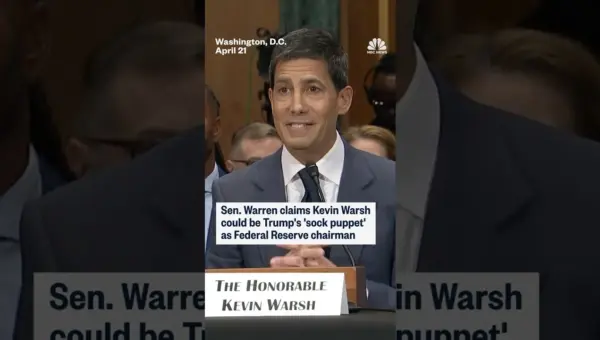
Senator Elizabeth Warren questioned Federal Reserve nominee Kevin Warsh's independence from President Trump, suggesting he might act as a "sock puppet." Warren cited Trump's alleged remarks about controlling interest rates through his chosen nominee. Warsh attempted to distance himself from political questions during the hearing.
Senator Tillis Blocks Fed Nominee Over DOJ Probe
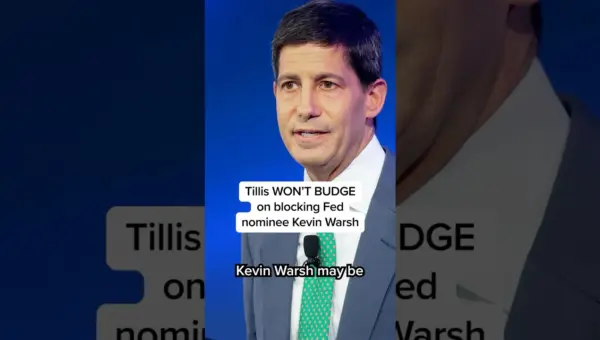
Senator Thom Tillis is blocking Kevin Warsh's nomination to the Federal Reserve. He demands the DOJ drop its investigation into Fed Chair Jerome Powell. Tillis fears political interference will harm the Fed's independence and the financial system.
Democrats Blast GOP Over Epstein Probe; Subpoena ‘Legally Binding’
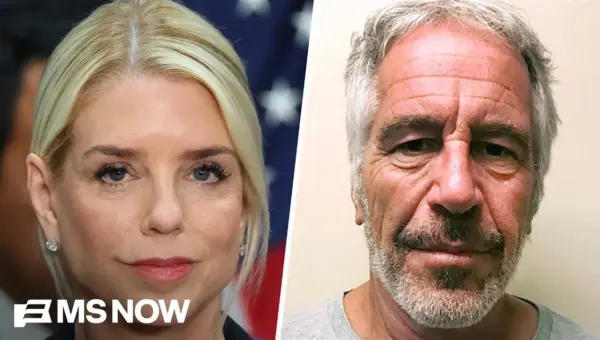
House Oversight Committee Democrats are accusing Republican leadership of undermining the Jeffrey Epstein investigation by replacing official hearings with informal roundtables. Ranking Member Congressman Robert Garcia stated that Pam Bondi's subpoena to testify is legally binding, regardless of Republican support for contempt proceedings. Democrats vow to continue their fight for justice and transparency.