Russia’s Belarus Buildup: A Feint to Distract or Real Threat?
Satellite imagery reveals Belarus building military infrastructure near the Ukrainian border, sparking fears of a new Russian invasion. Analysts debate if this is a genuine threat to Kyiv or a calculated feint designed to pressure Ukraine and divert resources. Russia has a history of using such tactics to gain strategic advantages without direct conflict.


Russia’s Belarus Buildup: A Feint to Distract or Real Threat?
New satellite images show Belarus building military infrastructure along its border with Ukraine. This development, reported by President Zelenskyy’s office, has raised concerns about a potential new Russian invasion route.
The building of artillery positions and roads suggests a possible move to support Russia’s war effort. This has sparked widespread worry, as Belarus has been a staging ground for Russian attacks before.
Concerns are understandable given Belarus’s strategic location. When Russia first invaded Ukraine, a major attack on Kyiv came from Belarusian territory.
Russian soldiers crossed the border to assault the capital, aiming for a quick Ukrainian surrender. Kyiv’s close proximity to Belarus, just over 50 miles away, made this a feasible, though ultimately unsuccessful, strategy.
The initial invasion plan failed, but the threat from Belarus remains. The geography offers a direct path to Kyiv, bypassing natural defenses like the Dnipro River.
This makes any military buildup along the border a serious signal. Ukraine has since heavily fortified this area, turning it into a potential kill zone for any advancing Russian forces.
Why This Matters: A Calculated Risk or Desperate Gamble?
Analysts are debating whether these new fortifications signal a desperate Russian attempt to attack Kyiv again. Russia has struggled to make significant gains on other fronts.
Ukraine has even begun reclaiming territory in recent months. Even if Russia pushes forward, heavily fortified Ukrainian positions lie ahead, making a direct march to Kyiv a monumental task.
Some believe Russia might be preparing for mass conscription, using Belarus as a staging ground for a massive assault on Kyiv. This would be a high-risk, high-reward strategy.
Russia has shown a willingness to pursue risky tactics if they believe it could lead to victory. This scenario aligns with rumors of Russia cracking down on communication and preparing for a large-scale mobilization.
However, a counter-argument suggests this buildup is a deliberate feint. Ukraine’s defenses between Belarus and Kyiv are now formidable.
These are some of the most advanced fortifications globally, designed to funnel attackers into predictable kill zones. Even with more soldiers, Russia would face heavily defended positions, minefields, and Ukrainian drone and artillery units.
Historical Precedent: The Art of Deception
Russia has a history of using military infrastructure to create psychological and strategic advantages without direct conflict. Earlier in the war, Russia built large, seemingly empty military bases near NATO borders, like Finland and Estonia. These bases, often just temporary structures, created alarm in NATO countries, diverting attention and resources away from Ukraine.
This tactic served a dual purpose. It aimed to make NATO countries focus on their own defense, potentially reducing military aid to Ukraine.
Russia also used drone provocations into NATO airspace, further increasing fear and potentially slowing down military support for Ukraine. The goal was to achieve strategic benefits through perceived threats rather than actual combat.
Another example involved Russia sending drones into NATO countries. This was seen as an attempt to provoke a response and highlight NATO’s air defense weaknesses.
By doing so, Russia may have hoped to compel NATO nations to prioritize their own defenses over sending air defense systems to Ukraine. This strategy leverages fear to achieve military objectives indirectly.
Belarus’s Hesitation and Russia’s Shifting Goals
Belarus has historically been hesitant to fully commit its own forces to the war. Despite Russian pressure, including staged incidents like using Ukrainian flags on Russian tanks, Belarus has largely avoided direct involvement. This reluctance existed even when Russia seemed to be winning the war.
Now, with Russia facing difficulties, it seems unlikely Belarus would suddenly increase its involvement. Russia has had multiple opportunities to attack Kyiv in the past when Ukraine and its allies were less prepared. Choosing not to attack then, when it might have been more advantageous, makes a current attack less strategically sound, especially with Russia’s reduced resources and Ukraine’s strengthened defenses.
The focus for Russia seems to have shifted from capturing Kyiv to securing the Donbas region. This is a more achievable objective that can be presented as a victory to the Russian public. The current buildup in Belarus could be an attempt to pressure Ukraine into negotiations, potentially conceding the Donbas, rather than a genuine plan to retake Kyiv.
The Strategic Advantage of Neutral Territory
Russia also faces challenges in concentrating troops without Ukraine targeting them. Ukraine’s ability to strike deep into Russian territory with long-range weapons has made troop assembly risky. Positioning soldiers in neutral territory like Belarus could offer a safer staging ground.
If Ukraine were to attack Russian soldiers stationed in Belarus, it could be used as political blackmail. This potential complexity might deter Ukraine from striking, allowing Russian forces to gather. Even if an attack on Ukraine from Belarus is not the primary goal, Belarus could serve as a secure location for Russian troops, away from Ukrainian strikes.
Ultimately, Russia’s actions in Belarus are likely aimed at controlling narratives and influencing Ukraine’s decisions through political pressure, not just combat. This creates a difficult situation for Ukraine, forcing them to allocate resources to defend against a potential threat, even if it’s a feint.
The Path Forward: Sustaining Support for Ukraine
While Ukraine has shown resilience, the war remains dangerous and complex. Continued international support is crucial, not just militarily but also economically. Ukraine’s economy is struggling, and long-term support is vital for them to outlast Russia.
Government aid and donations are important, but they face political hurdles and declining public interest. An alternative way to support Ukraine is by purchasing goods from Ukrainian businesses. This helps build sustainable revenue streams for Ukrainian companies, strengthening their economy.
For instance, supporting businesses like Art Winery provides direct economic aid. Art Winery has a unique story, with some of its wine rescued from Bakhmut during intense fighting.
Purchasing their products not only supports a Ukrainian business but also offers a tangible connection to the ongoing struggle and resilience of the Ukrainian people. Art Winery is expanding its reach, with new offerings becoming available in Europe and the UK.
Source: Russia is pursuing an INSANE new plan…it involves Belarus (YouTube)

Related Articles


Internet Blackout Tanks Putin’s Approval Ratings
New approval ratings show a significant drop for Vladimir Putin, tied to widespread internet disruptions in Russia. The data indicates public frustration over loss of online access is greater than concerns about the war in Ukraine. This digital blackout presents a unique challenge to the Kremlin.


Pakistan Army Chief Acts as Trump’s Secret Diplomat
Pakistan's Army Chief, General Asim Munir, has become an unofficial diplomat, building a personal rapport with Donald Trump and mediating sensitive talks with Iran. This role highlights Pakistan's hybrid governance system, where the military plays a significant part in foreign policy. Munir's actions aim to stabilize the region and enhance Pakistan's global influence.

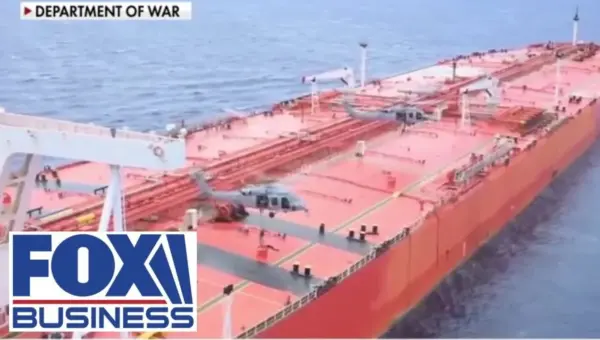
US Navy Seizes Sanctioned Oil Ship in Indian Ocean
The U.S. Navy seized a sanctioned oil tanker carrying 1.9 million barrels of crude in the Indian Ocean, adding tension to global oil markets. This occurs as a U.S.-Iran cease-fire is set to expire, keeping traders on edge.