Pakistan Army Chief Acts as Trump’s Secret Diplomat
Pakistan's Army Chief, General Asim Munir, has become an unofficial diplomat, building a personal rapport with Donald Trump and mediating sensitive talks with Iran. This role highlights Pakistan's hybrid governance system, where the military plays a significant part in foreign policy. Munir's actions aim to stabilize the region and enhance Pakistan's global influence.

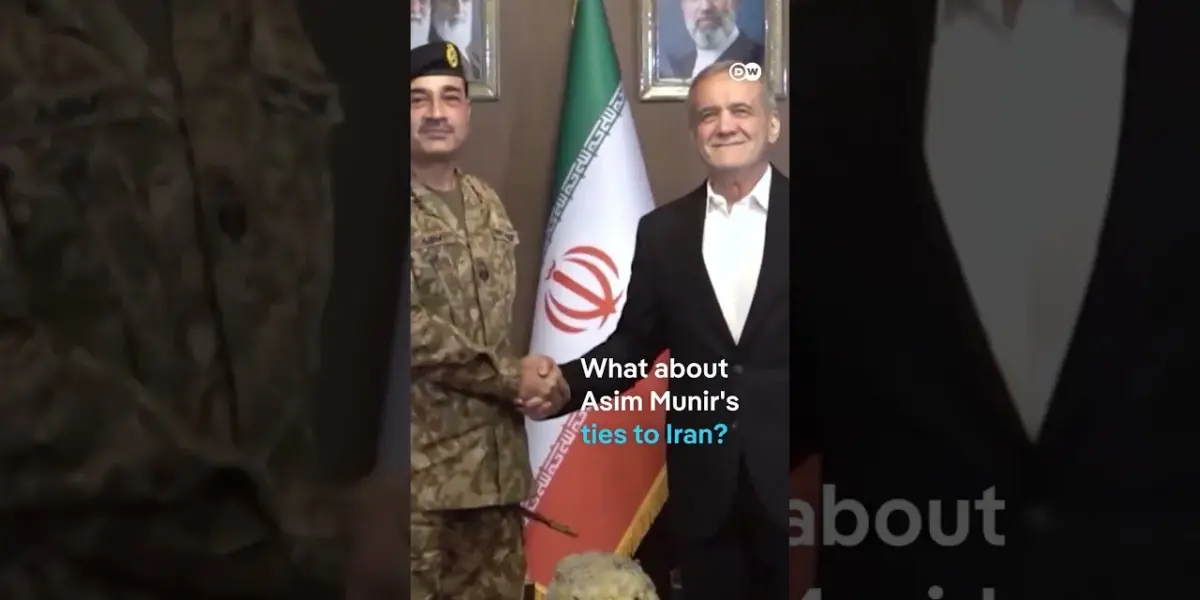
Pakistan’s Army Chief, General Asim Munir, is now a key, albeit unofficial, diplomatic link between former U.S. President Donald Trump and Iran. This unique role, developed over the past year, highlights a complex geopolitical strategy where Pakistan’s military leadership seeks to influence international relations.
Building Bridges with Trump
General Munir’s connection with Donald Trump is built on a foundation of shared concerns and perceived successes. When Trump entered office, he criticized the U.S. withdrawal from Afghanistan.
Shortly after, Pakistan’s security forces captured and handed over a suspect linked to a Kabul airport bombing that killed U.S. soldiers. This action helped build a rapport between Pakistan and the Trump administration.
Further strengthening this bond, Trump reportedly viewed General Munir as a victorious general after a conflict with India. This perception led to a rare, extended two-hour meeting between the two men. The transcript suggests this personal relationship allows Munir to directly contact Trump.
Mediating with Iran
General Munir has also played a critical role in mediating between Iran and the U.S., particularly during sensitive times. When Iranian leadership was undecided about further talks, Munir led a delegation of 10 jet fighters to Tehran. He was met by Iran’s foreign minister and other political leaders, demonstrating the high level of trust placed in him.
During this visit, he met with top commanders of Iran’s Revolutionary Guard. He presented new proposals reportedly sent from Washington, acting as a direct conduit for U.S. intentions. This positions Munir as a crucial intermediary, helping to prevent escalation and encourage dialogue between two nations with a tense relationship.
Pakistan’s Hybrid Governance
Pakistan operates under a hybrid system, where the powerful military establishment significantly influences political and governance decisions. General Munir’s active role in international diplomacy reflects this reality. The military’s deep involvement in the country’s affairs allows its leadership to pursue foreign policy objectives that might be beyond the scope of civilian politicians.
This military-led approach to diplomacy is not new for Pakistan. However, Munir’s direct engagement with figures like Trump and Iranian leadership marks a significant development. It suggests a proactive strategy to leverage Pakistan’s strategic position for international influence.
Geopolitical Stakes for Pakistan
Pakistan shares a long border with Iran and has the second-largest Shia Muslim population after Iran. This proximity and demographic reality make regional stability crucial for Pakistan. The transcript suggests that Iran’s disintegration would likely cause severe backlash within Pakistan, highlighting the country’s vested interest in a peaceful resolution of U.S.-Iran disputes.
By acting as a peacemaker, Pakistan, through General Munir, aims to enhance its global standing. The goal is to emerge as a key player in resolving international conflicts. This approach could offer significant benefits for Pakistan’s own security and economic interests.
What’s Next
General Munir’s continued involvement as a diplomatic bridge could shape future interactions between the U.S. and Iran. Observers will be watching to see if this channel remains open and effective, especially as geopolitical tensions fluctuate. The next steps in these delicate negotiations will likely reveal the long-term impact of Pakistan’s unique diplomatic role.
Source: The Trump whisperer: Pakistan's army chief Asim Munir (YouTube)

Related Articles

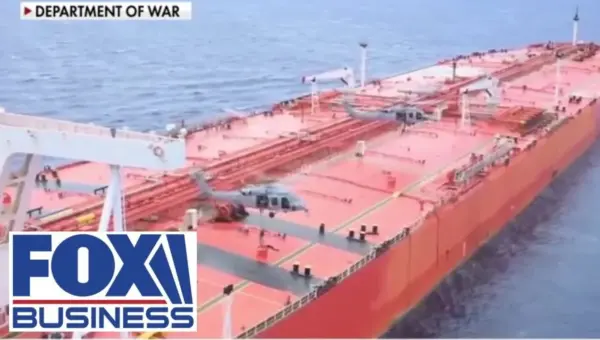
US Navy Seizes Sanctioned Oil Ship in Indian Ocean
The U.S. Navy seized a sanctioned oil tanker carrying 1.9 million barrels of crude in the Indian Ocean, adding tension to global oil markets. This occurs as a U.S.-Iran cease-fire is set to expire, keeping traders on edge.


MAGA’s Trump Uprising: A Calculated Power Play
Recent criticisms of Donald Trump from within the MAGA movement may not signal a moral awakening, but rather a strategic power play. Figures are reportedly distancing themselves due to Trump's declining popularity, not a change in principles. This highlights the fluid nature of political loyalty and the importance of discerning genuine conviction from calculated moves.
Iran Deal: Trump’s ‘Lipstick on a Pig’ Threatens Global Stability
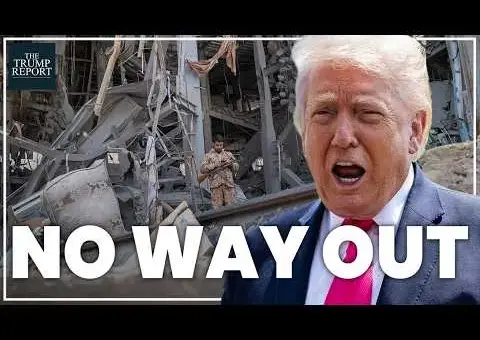
Former diplomat Alan warns that any Iran deal brokered by Donald Trump could be a 'lipstick on a pig' scenario, potentially worse than past agreements. The conflict has disrupted global systems, creating a new, less stable reality with no easy military solutions. Both sides face internal pressures, complicating negotiations and increasing the risk of further escalation.