MAGA Stars Flee Trump: A Calculated Exit, Not a Moral Awakening
Prominent MAGA figures like Tucker Carlson and Megyn Kelly are distancing themselves from Donald Trump, but critics argue this is a calculated move, not a moral awakening. Leaked texts and past statements cast doubt on their sincerity, suggesting a shift driven by political expediency rather than principle. The debate questions whether these figures can ever be trusted allies.

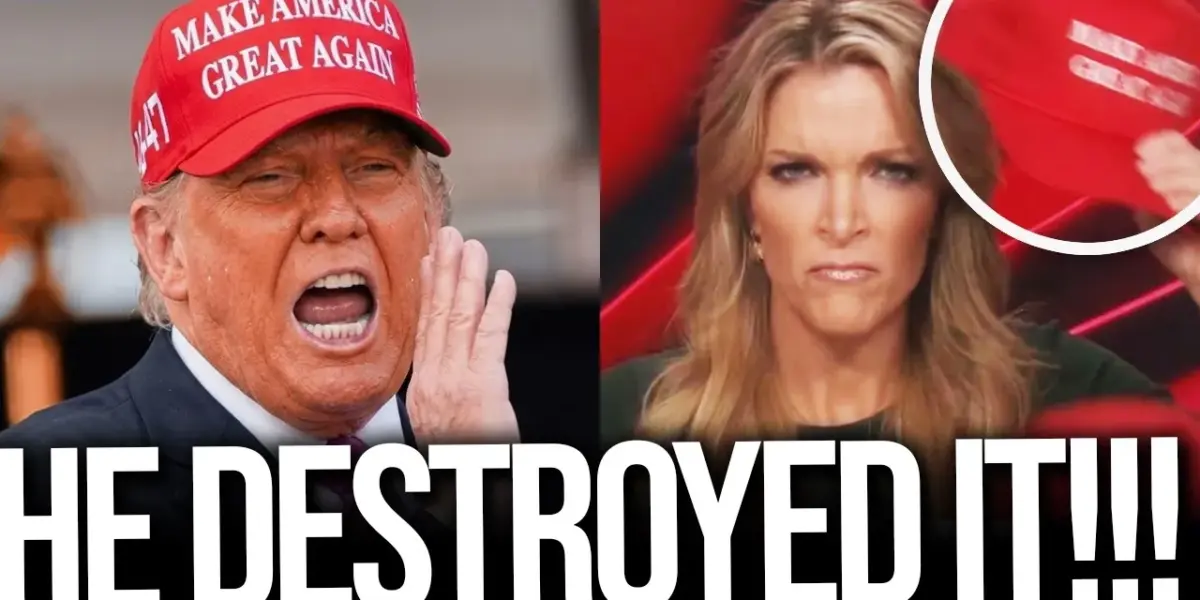
MAGA Stars Flee Trump: A Calculated Exit, Not a Moral Awakening
A noticeable trend is emerging: prominent figures once fiercely loyal to Donald Trump are now publicly distancing themselves. This shift, however, is being met with deep skepticism.
Critics argue these celebrities aren’t experiencing a genuine change of heart. Instead, they are seen as opportunists jumping ship as Trump’s political standing appears to weaken.
Figures like Tucker Carlson, Megyn Kelly, and Marjorie Taylor Greene are frequently cited examples. For years, they enthusiastically supported Trump’s policies, even those widely seen as destructive. Now, as the negative impacts of his actions become more apparent to the average American, and as Trump himself struggles to articulate clear thoughts in interviews, these same figures are suddenly expressing doubts.
Tucker Carlson’s “Torment”
A viral clip shows Tucker Carlson, a former Fox News host and staunch Trump supporter, expressing regret. He stated he would be “tormented” by his role in Trump’s election.
Carlson admitted that he, along with millions of others, are “implicated” in the current situation. He suggested it’s a moment for introspection and apologized for potentially misleading people, though he claimed it wasn’t intentional.
However, this sentiment is being challenged. Critics point to Carlson’s private communications as evidence of his insincerity. Leaked text messages from January 2021 reveal Carlson privately expressing disdain for Trump, stating, “I hate him passionately” and looking forward to “being able to ignore Trump most nights.” These private sentiments stand in stark contrast to his public pronouncements supporting Trump and promoting baseless claims about election fraud.
Marjorie Taylor Greene’s Shift
Marjorie Taylor Greene also appears to be shifting her stance. While previously a staunch defender of Trump, she recently stated she broke with him partly because he was too focused on foreign affairs.
She felt he strayed from his “America First” campaign promises. This move away from Trump is seen by some as more genuine than Carlson’s, though it still comes with caveats.
Her rise to prominence was built on defending and protecting Donald Trump. The speaker suggests that while Greene’s transition might be more believable than Carlson’s, her past actions cannot be overlooked. The timing of these shifts, as Trump’s popularity wanes, raises questions about their true motivations.
The Alex Jones Parallel
The situation is often compared to that of Alex Jones. Several years ago, Jones promoted harmful conspiracy theories, including denying the Sandy Hook Elementary School shooting and calling the victims’ families “crisis actors.” Now, he too seems to be presenting himself as someone who has seen the light. This pattern suggests a common tactic: embrace a controversial figure when it’s politically expedient, and then distance yourself when it becomes a liability.
The argument is that these individuals, much like Jones, should not be readily forgiven or welcomed back into mainstream discourse. Their past actions, particularly when they involved spreading harmful misinformation for personal gain, are seen as disqualifying. Forgiveness, it is argued, should be reserved for the average voter who may have been misled, not for influential pundits who intentionally propagated falsehoods.
Moral Clarity and “Bad Faith Actors”
The core of the argument is a call for “moral clarity.” The speaker and collaborators believe that while ordinary voters who supported Trump might be open to genuine change and forgiveness, public figures like Carlson and Kelly are “bad faith actors.” These individuals, it is argued, intentionally lied to millions for career advancement and profit.
These figures are accused of being driven by personal benefit rather than genuine conviction. Their sudden change of tune is seen as a cynical attempt to salvage their careers and reputations. The advice given is to “never interrupt your enemy while they’re making their mistake” – meaning, let the MAGA movement continue to unravel without offering these figures a lifeline or undeserved praise.
Historical Context of Shifting Alliances
This phenomenon is not entirely new in politics. Throughout history, individuals and groups have aligned and realigned based on shifting power dynamics and perceived benefits. The MAGA movement itself saw many figures who were initially critical of Trump later embrace him as his political influence grew.
The current situation echoes past instances where political figures have abandoned or attacked former allies when it suited their agenda. The difference here, critics argue, is the scale and the perceived intentionality of the misinformation spread by these particular celebrities.
The “Enemy of My Enemy” Fallacy
A key point is that the enemy of your enemy is not automatically your friend. Just because Tucker Carlson is now critical of Trump does not make him an ally of those who oppose Trump’s agenda. His criticisms, and the criticisms of others like him, are often seen as stemming from “illiberal reasons” rather than a commitment to democratic values.
These figures are often perceived as seeking to build their own movements that may still be anti-democratic or aligned with geopolitical adversaries like Russia. Therefore, welcoming them into opposing movements, even on a single issue like opposing Trump, is seen as a strategic error that compromises core principles.
Why This Matters
This debate highlights a critical question for political movements: how should they treat figures who have previously spread misinformation but are now aligning on specific issues? It speaks to the broader challenge of navigating a polarized media environment where trust is low and motivations are often questioned.
Understanding the difference between genuine repentance and strategic repositioning is crucial for maintaining the integrity of any movement. Accepting individuals at face value without scrutinizing their past actions and potential future motives can lead to co-option and a dilution of core values.
Implications and Future Outlook
The ongoing fragmentation within the MAGA movement and the public scrutiny of figures leaving it suggest a period of significant realignment. For those critical of Trumpism, the challenge lies in capitalizing on this division without appearing to embrace figures who have previously caused harm.
The future may see a continued splintering of the right, with different factions emerging. It also presents an opportunity for progressive movements to solidify their own messaging and principles, ensuring they are not overshadowed by the shifting narratives of former Trump allies. The focus remains on pushing for affirmative, principled movements rather than simply reacting to the downfall of a political figure.
The key takeaway is the need for vigilance. As figures like Carlson and Kelly pivot, their past actions and potential future agendas must be constantly examined. The goal is to ensure that any political gains are not made at the expense of truth and ethical consistency, especially when dealing with individuals who have a documented history of intentional deception for personal gain.
Source: Trump Triggers MAGA into TURNING ON HIM! (YouTube)

Related Articles


MAGA’s Trump Uprising: A Calculated Power Play
Recent criticisms of Donald Trump from within the MAGA movement may not signal a moral awakening, but rather a strategic power play. Figures are reportedly distancing themselves due to Trump's declining popularity, not a change in principles. This highlights the fluid nature of political loyalty and the importance of discerning genuine conviction from calculated moves.

Veterans’ Protest Exposes Trump’s Slipping Grip
Veterans' anti-war protests in the Capitol highlight growing dissent, while polls reveal a dramatic drop in Donald Trump's approval ratings, especially on inflation. This signals potential challenges for his political future and the Republican party.

Iran Ceasefire Deadline Looms Amid US Pressure and Nuclear Concerns
The US-Iran ceasefire is nearing its expiration, with President Trump accusing Iran of multiple violations. Tensions are high as the US maintains a naval blockade and extends pressure globally. Meanwhile, Texas is suing ActBlue over alleged fraudulent donations, and Canada is addressing alleged CCP transnational repression targeting Falun Gong practitioners.