MAGA’s Trump Uprising: A Calculated Power Play
Recent criticisms of Donald Trump from within the MAGA movement may not signal a moral awakening, but rather a strategic power play. Figures are reportedly distancing themselves due to Trump's declining popularity, not a change in principles. This highlights the fluid nature of political loyalty and the importance of discerning genuine conviction from calculated moves.


MAGA’s Trump Uprising: A Calculated Power Play
The political landscape is buzzing with talk of a growing rift within the MAGA movement, with some prominent figures now appearing to distance themselves from Donald Trump. While it might be tempting to watch this unfold, believing it signals a moral awakening or a true shift in principles, it’s crucial to look closer. The reasons behind these shifts are far less about deeply held beliefs and much more about strategic political positioning.
Figures like Tucker Carlson and Marjorie Taylor Greene, once staunch Trump loyalists, are now seen by some as critical of him. This might seem like a positive development, a sign that certain lines have finally been crossed. However, the timing of these criticisms suggests a different motivation: Donald Trump’s declining popularity.
The Real Reason for the Crackdown
The most compelling explanation for this apparent distancing is simple self-preservation. These individuals were not bothered by Trump’s past actions, such as the proposed ban on Muslims or other controversial policies. They supported him then, when it served their interests and amplified their power.
Now, as Trump’s standing appears to weaken, a calculated shift is occurring. It’s not a sudden embrace of anti-war stances or a newfound respect for democratic norms. Instead, it’s a pragmatic move to protect their own political futures by distancing themselves from a figure who may no longer be a guaranteed path to power.
The enemy of your enemy is not always your friend. This is a critical distinction to remember when observing political alliances.
Past Support, Present Criticism
Consider the case of media personalities and commentators. Megyn Kelly, for instance, once suggested she would still support Trump even under extreme circumstances. However, when Trump made comments widely seen as threatening or deeply offensive, she publicly recoiled.
This reaction, while seemingly a moral stand, highlights the conditional nature of their support. It wasn’t an act of principle against past policies, but a reaction to a more recent, highly visible controversy. The underlying message is clear: their loyalty is not absolute.
Bad Faith Actors and Shifting Stances
Other figures, like Michael Knowles, have also shown a pattern of shifting allegiances. After a controversial post by Trump, Knowles initially urged him to delete it, with others calling it blasphemous. Yet, when Trump later offered an explanation, Knowles quickly reverted to a more supportive MAGA stance.
These instances point to a broader trend of what can be described as bad faith actors. They are willing to adjust their public positions based on political winds, rather than on consistent moral or ethical grounds. Their words and actions are designed to maintain influence, not to uphold any particular set of values.
Why This Matters
Understanding these motivations is crucial for anyone trying to make sense of current political dynamics. It means that apparent criticisms of Trump might not signal a return to traditional political values or a genuine commitment to democratic principles. Instead, it could simply be a strategic maneuver by individuals looking to remain relevant.
This distinction is vital because it affects how we interpret political discourse and form our own allegiances. Believing that these figures have had a change of heart could lead to misplaced trust and a misunderstanding of the true forces at play. It suggests that the focus should remain on the substance of policies and the consistency of actions, rather than on shifting public statements.
Implications and Future Outlook
The trend suggests that political loyalty within certain factions is fluid and can be easily swayed by public opinion and perceived electability. This creates an environment where true ideological consistency may become even rarer.
Looking ahead, we might see more such calculated moves. As the political climate evolves, individuals may continue to adapt their positions to align with what they believe will bring them the most political capital. This makes discerning genuine conviction from strategic posturing a constant challenge for voters.
Historical Context
Political figures have always adapted their stances to maintain power. Throughout history, alliances have shifted, and politicians have been known to change their tune when it suited them. This current situation, while playing out today with rapid information spread, is not entirely new in its underlying mechanics.
However, the speed and transparency with which these shifts can now be observed, thanks to social media and instant news, offer a unique perspective. It allows the public to see these calculations perhaps more clearly than ever before, highlighting the performative aspects of modern politics.
The key takeaway is to remain critical and informed. Don’t be swayed by what appears to be a sudden change of heart. Instead, look for consistent actions and principled stands, even when they are not the most popular or politically convenient.
The next major election cycle will likely be a key test of these shifting loyalties and strategies.
Source: MAGA Is Turning on Trump… But Don’t Be Fooled #politics #fyp #new @thesoypill (YouTube)

Related Articles
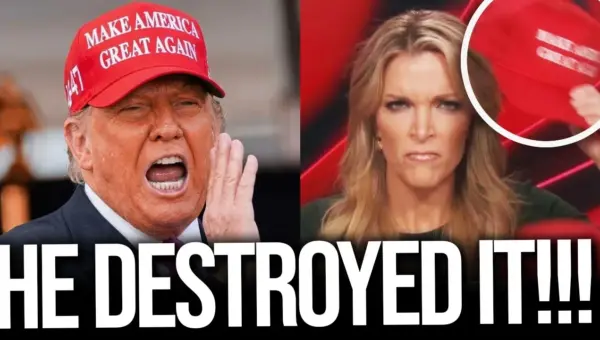
MAGA Stars Flee Trump: A Calculated Exit, Not a Moral Awakening
Prominent MAGA figures like Tucker Carlson and Megyn Kelly are distancing themselves from Donald Trump, but critics argue this is a calculated move, not a moral awakening. Leaked texts and past statements cast doubt on their sincerity, suggesting a shift driven by political expediency rather than principle. The debate questions whether these figures can ever be trusted allies.
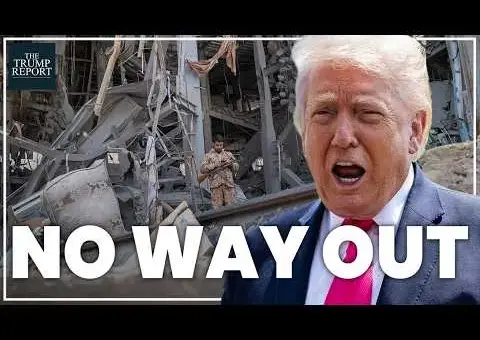
Iran Deal: Trump’s ‘Lipstick on a Pig’ Threatens Global Stability
Former diplomat Alan warns that any Iran deal brokered by Donald Trump could be a 'lipstick on a pig' scenario, potentially worse than past agreements. The conflict has disrupted global systems, creating a new, less stable reality with no easy military solutions. Both sides face internal pressures, complicating negotiations and increasing the risk of further escalation.
Senator Booker’s ‘Extreme Language’ Sparks Debate
Senator Cory Booker's use of "violent, extreme language" to describe national issues has sparked debate, with critics questioning his rhetoric and focus. The discussion touches on immigration, crime, judicial policies, and border security, raising concerns with potential economic implications.