Americans Reject Trump’s Iran Stance Swiftly
A new NBC poll reveals that a vast majority of Americans disapprove of Donald Trump's handling of the Iran situation, with opinions forming much faster than during past conflicts. This rapid disapproval, coupled with a lack of clear justification from the administration, highlights a public that is highly engaged and critical of foreign policy decisions.

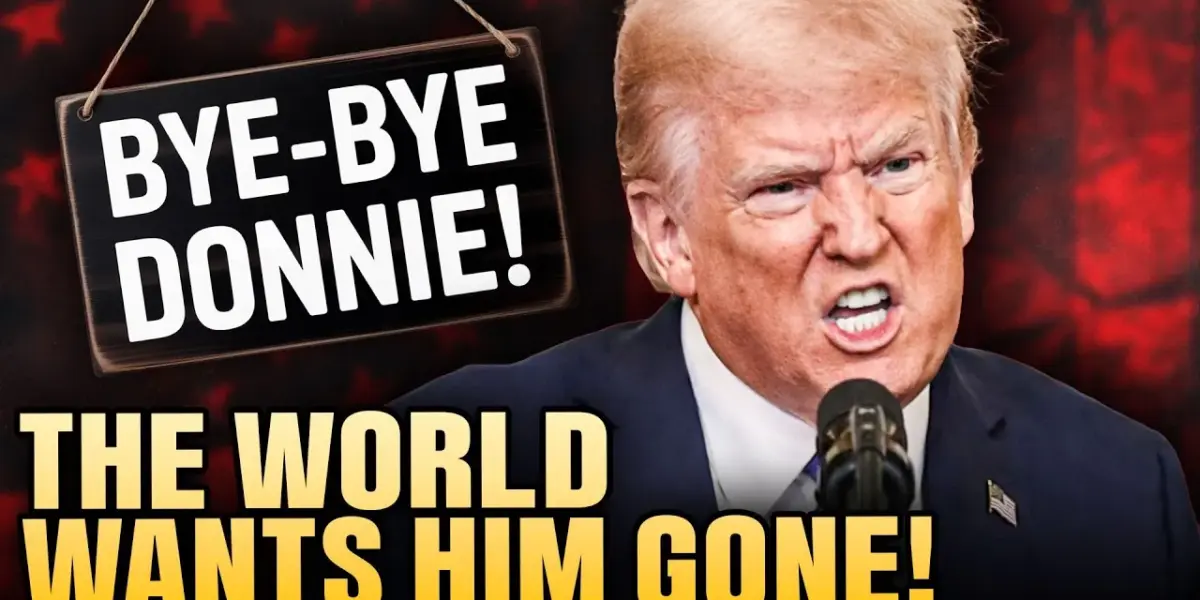
Public Opinion Shifts Rapidly on Foreign Conflict
A recent NBC poll reveals a striking divide in American opinion regarding Donald Trump’s approach to Iran. Only 33% of Americans approve of his handling of the situation, while a significant 67% disapprove. Even more telling, 54% of those who disapprove strongly oppose the current policy.
What makes this poll particularly noteworthy is the absence of undecided voters. This suggests that Americans are paying close attention and have formed firm opinions on this foreign policy issue. There were no voters on the fence; everyone seemed to have a clear stance.
Historical Context Shows Unprecedented Disapproval Speed
Historian and foreign policy analyst Steven Werner highlighted a striking comparison to the George W. Bush administration’s handling of the Iraq War.
It took two years for two-thirds of Americans to disapprove of Bush’s actions in Iraq, which were based on claims of weapons of mass destruction and other justifications. In stark contrast, it has taken Trump less than two months to face similar levels of public disapproval for his Iran policy.
Werner noted on social media, “It took two years for twothirds of Americans to disapprove of Bush’s handling of Iraq. It took less than two months for the same number to disapprove of Trump’s handling of Iran.”
Confusion Surrounds Rationale for Conflict
The author expresses surprise at the 33% who do approve, questioning the reasoning behind their support. The Trump administration has reportedly offered at least nine different reasons for the escalation with Iran, yet clarity on the goals or purpose of this engagement remains elusive. This lack of clear communication appears to be a significant factor in the widespread public disapproval.
The administration’s shifting explanations leave many Americans questioning the fundamental objectives. When asked about the reasons for the initial actions, the administration’s response has been unclear, leaving the public confused about the ongoing strategy and desired outcomes.
Broader Disapproval Across Key Issues
This strong negative reaction to Trump’s Iran policy is not an isolated incident. The poll numbers add to a growing list of issues where a majority of Americans disapprove of his actions. These include his handling of the economy, immigration, trade, and environmental policies.
The trend suggests a consistent pattern of public disagreement with the president’s decisions across various critical areas of governance. Americans appear to be closely watching and reacting to his policies, with a clear majority expressing dissatisfaction.
Why This Matters
The speed at which public opinion has solidified against Trump’s Iran policy is significant. It suggests a public that is highly engaged and quick to judge foreign policy decisions, especially when justifications seem unclear or inconsistent. This rapid disapproval could influence future political actions and international relations.
The lack of undecided voters is also a critical indicator. It signals a polarized electorate that is not hesitant to voice strong opinions, making it harder for leaders to sway public sentiment once it has been formed. This dynamic presents a challenge for any administration seeking broad support for its foreign policy initiatives.
Implications and Future Outlook
The strong disapproval from a majority of Americans could put pressure on the administration to clarify its objectives in Iran or potentially alter its strategy. It also raises questions about the effectiveness of the administration’s communication efforts regarding foreign policy matters.
Looking ahead, this trend suggests that foreign policy decisions will continue to be scrutinized closely by the American public. Administrations will need to be prepared to provide clear, consistent, and well-supported justifications for their actions to gain public trust and approval.
Background and Context
Tensions between the United States and Iran have been high for decades, with notable escalations occurring under various administrations. The current situation follows a period of increased friction, including the U.S. withdrawal from the Iran nuclear deal and subsequent sanctions. The specific events leading to the recent military actions have been subject to intense debate and differing interpretations.
Historically, public support for military engagements can wane over time, especially if objectives are unclear or the conflict becomes prolonged. The swift disapproval seen in the NBC poll indicates a public that is perhaps more sensitive to perceived missteps or lack of transparency in foreign policy than in past eras.
Looking Ahead
The next steps in U.S.-Iran relations, and how they are communicated to the public, will be crucial. Future polls will likely track whether this strong disapproval continues or if shifts in policy or communication lead to changes in public opinion.
Source: Trump Has Failed At Everything And Americans Are FURIOUS (YouTube)

Related Articles

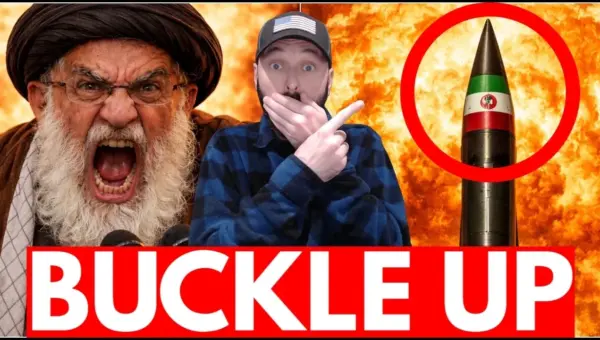
Iran Hides Missiles as War Clouds Gather
As a ceasefire nears its end, Iran is reportedly moving its ballistic missiles to hidden locations, signaling potential preparations for renewed conflict. The U.S. military stands ready to resume bombing campaigns if necessary, while diplomatic efforts face uncertainty with Iran's response to peace talks still pending. China's alleged involvement in supplying missile parts adds another layer of complexity to the volatile situation.
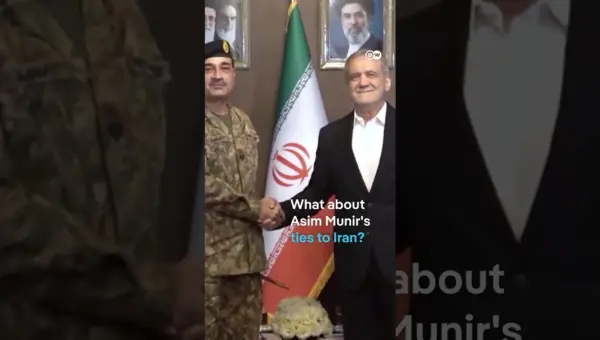
Pakistan Army Chief Acts as Trump’s Secret Diplomat
Pakistan's Army Chief, General Asim Munir, has become an unofficial diplomat, building a personal rapport with Donald Trump and mediating sensitive talks with Iran. This role highlights Pakistan's hybrid governance system, where the military plays a significant part in foreign policy. Munir's actions aim to stabilize the region and enhance Pakistan's global influence.


MAGA’s Trump Uprising: A Calculated Power Play
Recent criticisms of Donald Trump from within the MAGA movement may not signal a moral awakening, but rather a strategic power play. Figures are reportedly distancing themselves due to Trump's declining popularity, not a change in principles. This highlights the fluid nature of political loyalty and the importance of discerning genuine conviction from calculated moves.