Russian State TV Host Calls for ‘Wiping Out’ Europe
Prominent Russian state TV host Vladimir Solovyov issued stark threats against European nations, calling for their complete annihilation and dismissing the existence of Poland and Germany. The inflammatory remarks appear linked to Poland's potential demands for reparations from Russia for Soviet-era actions.

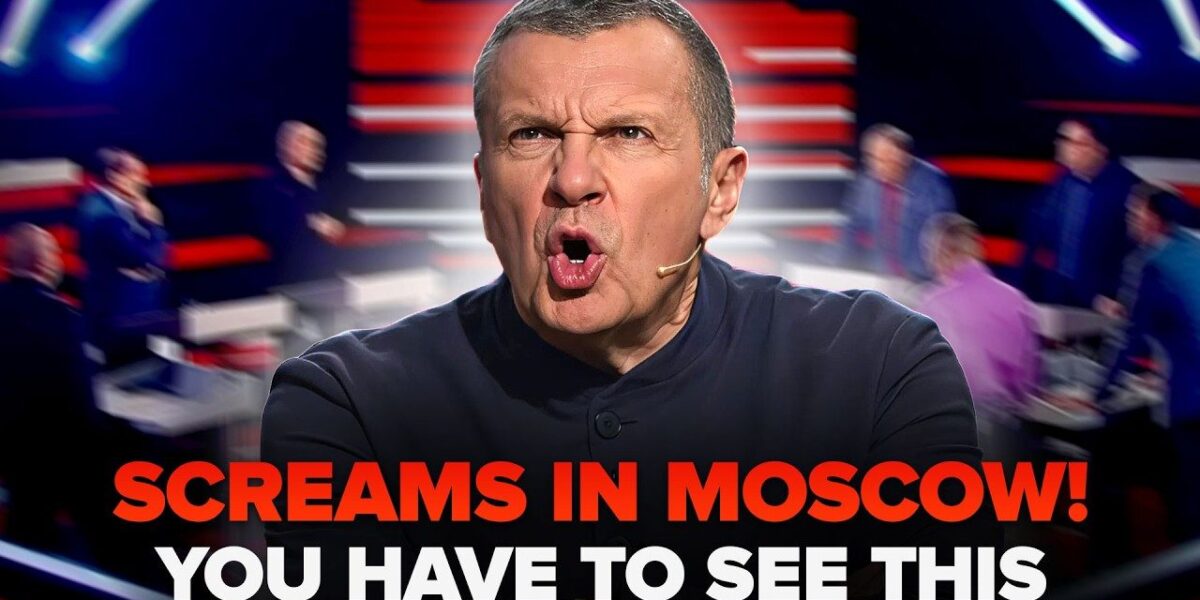
Vladimir Solovyov Advocates for Extreme Measures Against European Nations
In a fiery broadcast that has drawn widespread condemnation, prominent Russian state television host Vladimir Solovyov has issued stark threats against European nations, explicitly calling for their complete annihilation without direct Russian troop involvement. The remarks, made on air, signal a dangerous escalation in rhetoric from Moscow and have ignited concerns about Russia’s future intentions towards the West.
During the program, Solovyov, known for his often inflammatory commentary, suggested a radical departure from previous military strategies. “We will simply wipe everyone off the face of the earth without having our troops there,” he declared, advocating for a method of destruction that would leave no possibility for future conflict. He specifically targeted the existence of the Polish state, stating, “there will never again be any talk of the existence of the Polish state.” He extended this sentiment to Germany, asserting, “We will not repeat the mistake of allowing the German state to exist.” This extreme stance comes amidst escalating tensions between Russia and Western countries, particularly in the context of the ongoing conflict in Ukraine.
Historical Grievances and Reparations Fuel Rhetoric
The immediate catalyst for Solovyov’s outburst appears to be Poland’s reported plans to demand reparations from Russia for alleged crimes committed during the Soviet era. Poland, which endured decades of Soviet influence and was a victim of the Molotov-Ribbentrop Pact that led to its partition by Nazi Germany and the Soviet Union in 1939, has been increasingly vocal about historical injustices.
Solovyov dismissed Poland’s claims, twisting historical narratives to place blame elsewhere and demand gratitude from Warsaw. “Poland should thank us,” he insisted, arguing that Russia was instrumental in expanding Poland’s access to the Baltic Sea after World War II. He downplayed Russia’s role in the partitions of Poland in the 18th century, attributing them primarily to Austria and Prussia, while simultaneously suggesting that Russia’s involvement, particularly under Alexander I, offered autonomy. This historical revisionism aims to frame Russia as a benefactor rather than an aggressor, a common tactic in Russian state propaganda.
“The polls do. Let them read history. It was Austria and Prussia who stood behind the partition of Poland, and who indeed divided it together with Russia.”
The program also featured discussions about the potential use of nuclear weapons, with one commentator expressing support for their deployment. “It will have to be used,” one speaker stated, apparently in reference to Russia’s nuclear arsenal. This sentiment reflects a broader trend of nuclear saber-rattling originating from Russian state media, intended to intimidate Western allies and undermine their support for Ukraine.
Discrepancy Between Official Messaging and Propaganda
The aggressive rhetoric from Solovyov and other state media figures starkly contrasts with the Kremlin’s official position, which consistently denies any intentions of attacking other nations. This disconnect highlights the dual strategy employed by Moscow: maintaining a semblance of diplomatic normalcy while simultaneously using state-controlled media to foster an atmosphere of hostility and preemptive threat.
The narrative presented on Russian television often portrays Western nations as the aggressors, preparing for a conflict with Russia. Solovyov, for instance, suggested that Europe’s rearmament and its support for Ukraine are part of a plan to challenge Russia, particularly after a potential change in U.S. leadership. “They are not preparing for our challenges, but to present challenges to us,” he claimed, outlining a scenario where Western powers seek to exert political, economic, and military pressure on Russia.
Accusations and Counter-Accusations: The Blame Game
A recurring theme in the broadcast is the deflection of blame for the conflict and its consequences. Russia frequently accuses Ukraine of being a ‘Nazi’ state, a claim widely dismissed as baseless propaganda. Solovyov, in turn, accused Ukraine of plotting to use nuclear weapons, a charge that Ukraine, lacking a nuclear arsenal, vehemently denies.
“Whatever Russia accuses K of, they probably do it themselves,” the program’s narrator stated, pointing to Russia’s own alleged provocations, such as the recent incident involving alleged drone attacks on the Kremlin, which Moscow blamed on Kyiv. The narrative suggests that Russia often projects its own actions and intentions onto its adversaries.
Furthermore, the program touched upon the narrative that Ukrainians are, in essence, Russians, a claim that undermines Ukrainian sovereignty and national identity. This is consistently refuted by Ukraine, which asserts its distinct nationhood and historical path independent of Russia.
Peace Talks and Russian Terms
The discussion also addressed the ongoing peace talks related to the conflict in Ukraine. Solovyov expressed frustration with the logistical arrangements for these negotiations, particularly the travel routes and the perceived slight to the Russian delegation by European hosts. He characterized the talks as a Western ploy to stall for time and potentially influence future political developments.
Russia’s stance on negotiations, as presented on the show, is that peace is only acceptable on Moscow’s terms. “Russia needs the demands to be met. And we said, ‘If it can be done diplomatically, fine. If not, we’ll resolve it militarily,'” the broadcast conveyed. This underscores Russia’s unwillingness to compromise and its preference for a military resolution that aligns with its objectives.
The program concluded by reiterating the stark geopolitical divide, framing the conflict as a struggle between autocracy and democracy. The narrator emphasized that while Russian propaganda machines continue to operate, independent analysis is crucial to understanding the true nature of the conflict and Russia’s intentions.
Broader Implications and Future Outlook
The extreme rhetoric employed by Solovyov and amplified on Russian state television signifies a deepening ideological chasm between Russia and the West. The explicit calls for the destruction of European nations, coupled with nuclear threats, serve to intimidate and divide, aiming to erode Western resolve in supporting Ukraine.
The historical revisionism and blame-shifting tactics employed are designed to justify Russia’s actions and garner domestic support. However, these narratives are increasingly being challenged by independent media and international observers who highlight the destructive consequences of Russia’s aggression.
Looking ahead, the escalating rhetoric suggests a continued pattern of confrontation. The effectiveness of these propaganda efforts in influencing Western policy or public opinion remains to be seen. However, the explicit threats underscore the urgency for continued vigilance and robust support for Ukraine’s sovereignty and territorial integrity. The international community will be closely watching for any further escalation in rhetoric and, more importantly, any corresponding actions from Moscow.
Source: 😱You WON'T BELIEVE what Solovyov BLURTED OUT! He CONFESSED to THIS live on air. DISASTER in Moscow (YouTube)

Related Articles
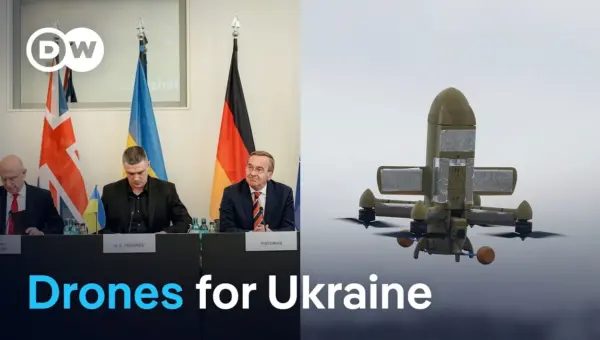
UK Pledges 120,000 Drones to Ukraine in Major Aid Package
Britain has pledged 120,000 drones to Ukraine, marking its largest aid package of its kind, during a meeting of the Ukraine Defense Contact Group in Berlin. The meeting highlighted both strong international solidarity and ongoing challenges in aid delivery, as Germany also boosts its own defense capabilities.
Russia’s War Costs Strain Putin’s Elite Bargain
Russia's prolonged war in Ukraine is straining President Putin's grip on power. Declining oil revenues and escalating military costs are forcing internal power shifts, with intelligence services reportedly gaining influence. This financial pressure is creating significant discontent among the elite and risking broader instability within the Kremlin.
Ukraine Strikes Russian Oil, Army Pushes Westward
Ukraine's spring offensive is underway, with Ukrainian forces making gains and forcing difficult choices for the Russian army. Meanwhile, Ukraine has intensified drone strikes on Russian oil infrastructure, aiming to cut off war funding. International interest in Ukraine's drone technology is growing, potentially reshaping global defense markets.