Navy Deploys Sea Drones to Clear Hormuz Mines
The U.S. Navy is deploying advanced sea drones to clear potential mine threats in the Strait of Hormuz, a vital shipping lane. Retired Navy SEAL Mike Sarraille detailed the types of Iranian mines and the technology used to neutralize them. The situation also involves U.S. Ambassador Mike Walz defending President Trump's stance on targeting Iran's civilian infrastructure if necessary.

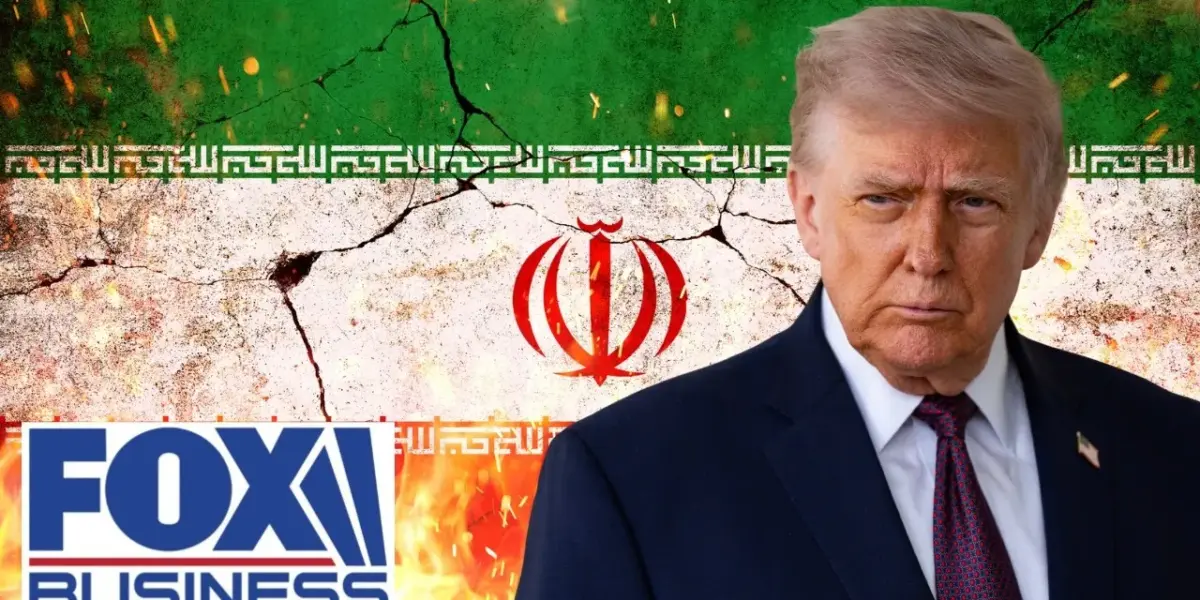
Navy Uses Sea Drones to Clear Mines in Strait of Hormuz
The U.S. Navy is deploying advanced sea drones to clear potential mine threats in the vital Strait of Hormuz. These unmanned vessels, both on the surface and underwater, will help ensure safe passage for global shipping through this critical waterway. This move comes amid heightened tensions and concerns over maritime security in the region.
Understanding the Threat: Iranian Mines
Retired Navy SEAL Mike Sarraille explained the dangers posed by Iranian mines. The Strait of Hormuz is a vast area, covering about 4,500 square miles. Iran has two main types of mines: the Maham 1 and 2.
The Maham 1 is a contact mine that explodes when touched. The Maham 2 is a bottom influence mine, a more dangerous type that lies on the seabed. These mines can detect ships using sound or magnetic signals before detonating.
To combat these threats, the Navy uses sophisticated tools. The M/H 60 Sierra helicopter, equipped with lidar and toned sonar, is a primary asset.
These technologies can identify and neutralize the mines, either by destroying them or detonating them safely in place. This technology allows for precise identification and removal, minimizing risks to naval and commercial vessels.
Dolphins No Longer on Mine-Clearing Duty
Historically, the Navy also used mine-clearing dolphins. Sarraille noted that while this capability existed about 10 years ago, it’s unclear if dolphins are still actively used for this purpose.
He mentioned past issues where dolphins seemed to prefer their freedom over naval service. Sailors have also left their posts, suggesting a desire for greater autonomy.
U.S. Ambassador Defends Stance on Iran’s Civilian Infrastructure
U.N. Ambassador Mike Walz defended President Trump’s threat to target Iran’s civilian infrastructure if necessary. He strongly rejected the idea that such actions would constitute a war crime.
Walz argued that Iran has a history of blending military assets with civilian areas, using schools and hospitals to hide weapons. This practice, he stated, is a war crime committed by Iran.
Walz believes President Trump’s threat is a necessary step. He pointed out that Iran rejected a potential agreement and threatened to close the Strait of Hormuz.
Targeting civilian infrastructure, when designated as a military target, is legally defensible according to international law. This action aims to pressure Iran to accept non-negotiable terms.
Market Impact: Strait of Hormuz Security
The Strait of Hormuz is a crucial chokepoint for global oil supplies. Any disruption in this region can lead to significant price increases for oil and gasoline. The deployment of sea drones and the heightened rhetoric signal potential instability.
Investors should monitor developments closely, particularly any impact on oil prices and shipping insurance costs. This situation could affect energy companies and global trade routes.
What Investors Should Know
The use of advanced technology like sea drones highlights the evolving nature of naval warfare and security. For investors, understanding geopolitical risks is key. The tensions surrounding the Strait of Hormuz highlight the importance of monitoring international relations and their potential economic consequences.
This situation could influence global markets, especially the energy sector. The focus remains on preventing disruptions to vital shipping lanes.
The current situation is framed not as a negotiation but as a final demand. President Trump’s strategy aims to corner Iran into accepting specific terms.
This approach, according to Sarraille, is a smart move that reduces Iran’s options. The ultimate goal is to secure compliance without further escalation, but the rhetoric suggests a firm stance.
Source: Ex-Navy SEAL: This is NOT a negotiation, this is a SENTENCING (YouTube)

Related Articles

US Navy Blasts Iranian Ship Near Hormuz
U.S. naval forces seized the Iranian cargo ship Motor Vessel Touska near the Strait of Hormuz after a six-hour standoff. The USS Spruance disabled the ship with gunfire, and Marines from the 31st MEU took custody. This action escalates regional maritime tensions as a ceasefire deadline nears.

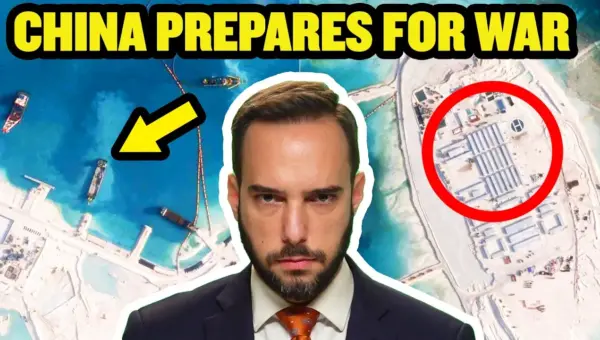
China Escalates South China Sea Claims
China is aggressively expanding its military presence and control in the South China Sea, building new bases and using tactics like dumping cyanide to assert its claims. This escalation occurs while the US is focused elsewhere, raising concerns about regional stability and future confrontation.

Iran Clashes with US in Strait of Hormuz, Peace Talks Loom
A naval confrontation in the Strait of Hormuz between the U.S. and Iran has escalated tensions amid a fragile ceasefire. The incident, involving the seizure of an Iranian tanker by U.S. forces, complicates upcoming peace talks. Both nations are trading accusations, with experts questioning the administration's strategy and the potential for renewed conflict as the ceasefire nears expiration.