Pope Battles Trump’s War Rhetoric with Peace Message
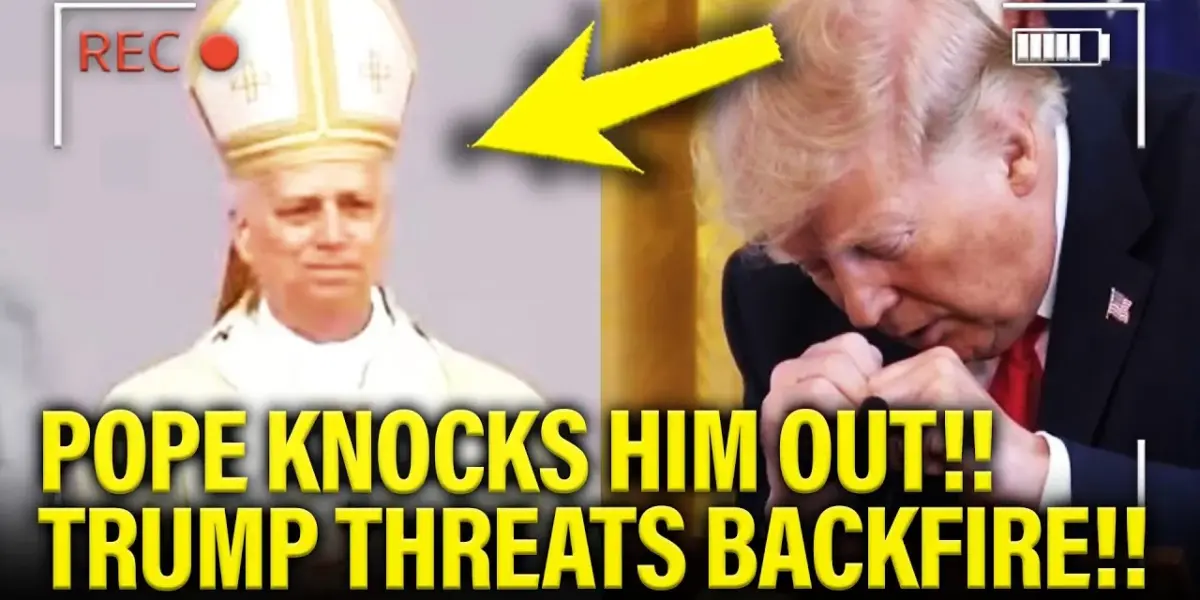
Pope Leo XIV is directly challenging Donald Trump's "regime of war criminals" with a message focused on peace and empathy. This clash has drawn support from religious leaders and global observers, highlighting a divide over conflict and human dignity. The Pope's focus on dialogue contrasts sharply with accusations of aggressive rhetoric and military actions.

Pope Battles Trump’s War Rhetoric with Peace Message
A strong disagreement is brewing between Pope Leo XIV and Donald Trump, with the Pope openly criticizing Trump’s “regime of war criminals.” This clash highlights a deeper divide over the use of force and the nature of peace. The bishop of Palm Beach, in a message shared during mass, sided with the Pope, calling Trump’s attacks “disrespectful and violent.” These actions, he stated, also violate religious freedom in the United States.
The Pope’s stance is framed not as a personal fight with Trump, but as a universal call against war and for love and empathy. This message has resonated globally, with supporters seeing Pope Leo XIV as a key figure upholding positive global standing. His recent travels to Africa, including Cameroon and Angola, and a large gathering in Scotland, are presented as evidence of his broad appeal.
A Clash of Doctrines
Donald Trump has reportedly attacked Pope Leo XIV multiple times in a short period. The Pope’s office responded by stating that these attacks do not intimidate him.
They emphasize that the Pope’s message is simply about opposing war criminals and promoting peace, love, and empathy. The strong reaction from Trump’s side, according to supporters of the Pope, reveals the core issues at hand.
Adding to the tension, Mark Levin appeared on Fox News to discuss the “just war doctrine.” Levin, who admitted to recently reading the Catholic Church’s Catechism, attempted to explain the doctrine and argued that Trump’s actions align with it. This move was criticized, especially since Pope Leo XIV, a former Augustinian friar with extensive experience in religious leadership, is deeply familiar with the doctrine’s origins and meaning.
“St. Thomas Aquinas. Now in contrast, these were the messages from Pope Leo I 14th yesterday while Mark Levvin was saying that a mother loves all her children in the same way and with her whole heart.”
The Pope’s Vision of Peace
While Levin discussed the conditions for a just war, Pope Leo XIV offered a different message from Angola. He spoke of universal love, ensuring basic needs like food and healthcare for all, and the importance of dignity and happiness for everyone. His focus is on compassion and ensuring the well-being of the vulnerable, including the hungry, the sick, children, and the elderly.
The contrast is stark when compared to accusations against Donald Trump, including involvement in child sex trafficking, bombings in Iran, and attacks on ships in Venezuela. Pope Leo XIV, meanwhile, expressed sadness over the attacks on Ukraine and called for an end to violence, urging a pursuit of dialogue. He also welcomed a ceasefire in Lebanon, encouraging continued peace talks for a permanent end to hostilities in the Middle East.
Global Impact and a Plea for Humanity
The Pope’s message of peace extends beyond specific conflicts. He stated that peace is not something to be invented but embraced by accepting others as brothers and sisters, emphasizing that we are one family on this planet.
This sentiment was echoed by the families of over 100 school children killed in a U.S. bombing in Iran. They wrote a letter thanking Pope Leo XIV for being a champion of peace and a voice for their lost children.
The letter from the grieving parents highlighted the pain caused by “American bombs directed by illogical war mongers.” They thanked the Pope for reminding the world that lasting peace comes through dialogue, not force. Their plea was for him to continue being a voice for the voiceless and to reopen paths for dialogue so that no more children suffer such fates.
A Call for Moral Leadership
Christopher Hail, a writer who supports Pope Leo XIV, urged conservative Catholics to reclaim their movement from what he calls “celebrity populism.” He believes their focus has shifted from Catholic conscience to political grievances. Hail called on the faithful to not remain silent while the Pope is insulted, reminding them that their ultimate fidelity belongs to Christ and the Church, not to political figures.
Hail stressed the need for deeds, not slogans, from political leaders. He asked for policies that honor the unborn, immigrants, families, workers, and the dignity of all people. His core message is a refusal to accept a bargain that demands silence in the face of disrespect towards the Holy Father, urging a return to core values.
Why This Matters
This conflict between Pope Leo XIV and Donald Trump is more than just a public disagreement; it represents a fundamental clash between differing worldviews. One side advocates for peace, empathy, and dialogue, while the other is associated with aggressive rhetoric and a focus on military action. The Pope’s actions and words, amplified by supporters, position him as a global moral voice challenging a more confrontational approach.
The involvement of religious leaders and communities, like the Bishop of Palm Beach, shows how these issues can deeply affect people’s faith and their understanding of civic responsibility. The criticism that Trump’s attacks on the Pope violate religious freedom suggests that this is not just a political debate but also a matter of fundamental rights and the separation of church and state.
Implications and Future Outlook
The ongoing exchange highlights a growing tension between traditional religious authority and populist political movements. As the Pope continues to travel and speak on global issues, his influence as a moral leader on the world stage is likely to grow. His message of peace and human dignity stands in direct contrast to narratives that prioritize conflict and nationalistic fervor.
The situation also calls into question how political figures engage with religious institutions and leaders. The attempt by figures like Mark Levin to interpret religious doctrine for political ends is a tactic that may face increasing scrutiny. The future may see religious voices playing a more prominent role in public discourse, challenging political narratives with appeals to shared humanity and ethical principles.
The parents’ letter from Iran is a powerful reminder of the human cost of conflict. It highlights the importance of leaders using their platforms for good, promoting healing and understanding rather than division. The upcoming actions and statements from both Pope Leo XIV and Donald Trump will be closely watched as this significant dialogue continues.
Source: FURIOUS Pope BLASTS Trump as THREATS BACKFIRE!!! (YouTube)

Related Articles
Trump’s Iran Standoff: Diplomacy or Dangerous Game?
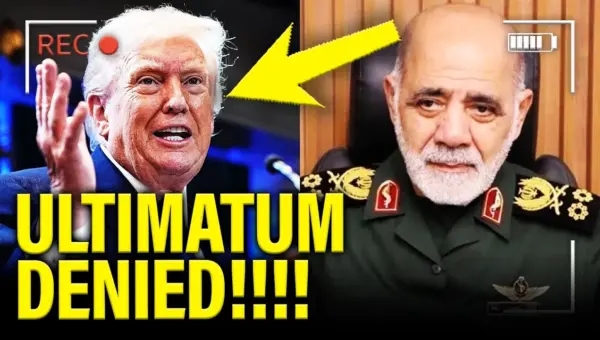
Iran has publicly defied President Trump's demands, refusing to attend negotiations unless the U.S. lifts its Persian Gulf blockade and stops issuing threats. Despite Iran's stance, the U.S. has sent an advance team, highlighting a tense diplomatic standoff. The situation is further complicated by conflicting public statements and social media rhetoric from both sides, raising questions about the path forward.
Rep. Smith: Trump Misrepresents Iran Talks, Escalation Risks
Congressman Adam Smith expressed significant concerns regarding the accuracy of President Trump's statements about U.S. negotiations with Iran. Smith stated that the talks are far from resolved and that Iran's demands remain vastly different from U.S. objectives. He also warned that escalating actions and threats against civilian infrastructure could be considered war crimes and harm U.S. credibility.

US Seizes Iranian Ship Amid Escalating Tensions
U.S. forces seized an Iranian-flagged cargo ship near the Strait of Hormuz, escalating tensions with Iran, which vowed retaliation. Peace talks remain uncertain as President Trump's approval rating dips amid global and domestic concerns. Elsewhere, a tragic mass shooting in Louisiana left eight children dead, while unseasonable snow surprised much of the Northeast.