Congressman Slams UFO Office, Demands Truth
Representative Tim Burchett has sharply criticized the Pentagon's UFO office, AARO, citing distrust and concerns over its coordination efforts. He highlights internal conflicts within both the government office and the civilian UFO community, advocating for greater transparency and a focus on uncovering the truth.

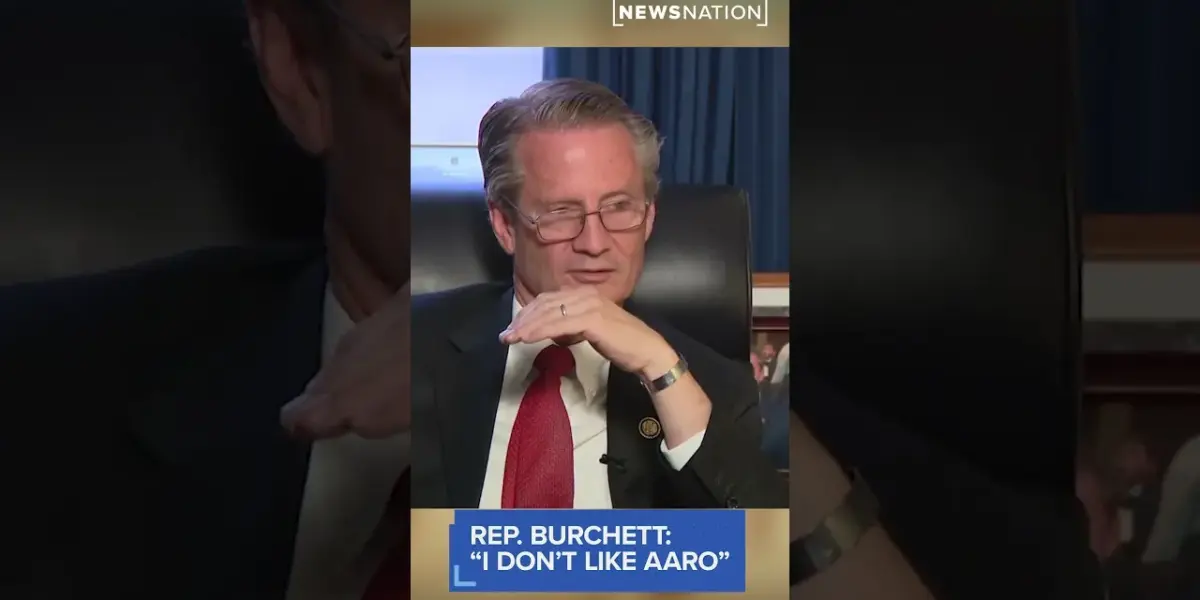
Congressman Slams UFO Office, Demands Truth
Representative Tim Burchett has voiced strong criticism of the Pentagon’s All-domain Anomaly Resolution Office (AARO), the government’s main office for investigating unexplained aerial phenomena, often called UFOs. Burchett stated he doesn’t like AARO and expressed concern over reports that the office is reaching out to other government agencies. This move, he believes, suggests a desire by AARO to control the narrative and coordination around these investigations.
Burchett’s distrust stems from past experiences, including alleged personal attacks from a former AARO official. He described these claims as untrue and sees this as part of a larger problem within the UFO research community. This internal conflict, he feels, distracts from the core goal of uncovering the truth about these unexplained events.
A Troubled History and Internal Conflicts
The creation of AARO was part of a broader government effort to take unexplained aerial phenomena more seriously. For decades, reports of strange sightings in the sky were often dismissed or explained away. However, growing numbers of credible witnesses, including military pilots, and declassified government footage began to change public and official perceptions.
AARO was established to consolidate and analyze data from various branches of the military and intelligence agencies. The goal was to get a clearer, more unified understanding of these phenomena.
Yet, even from its inception, there have been questions about its effectiveness and the motives behind its operations. Burchett’s remarks highlight these ongoing concerns.
The UFO Community’s Own Challenges
Beyond government skepticism, Burchett also pointed to issues within the civilian UFO research community. He noted that many individuals and groups seem more focused on personal gain, such as selling merchandise, promoting books, or securing movie deals. This commercialization, he suggests, can overshadow the genuine pursuit of knowledge and truth.
This internal division within the UFO community is not new. For years, researchers have debated the nature of these phenomena and the best ways to study them.
Some believe the focus should be on scientific rigor and evidence, while others are more open to speculative theories. Burchett’s comments reflect a frustration with this perceived lack of focus on objective truth.
Transparency as the Guiding Principle
Despite his criticisms, Burchett remains committed to the idea of transparency. He has been a long-time advocate for openness in government and believes the public has a right to know what is happening. His core message is that the truth about unexplained aerial phenomena should be brought to light.
This desire for transparency is a recurring theme in discussions about UFOs. Many argue that a lack of open communication from the government has only fueled speculation and distrust. Burchett’s stance aligns with those who believe that open access to information is the best way to address public curiosity and fear.
Why This Matters
The debate surrounding AARO and unexplained aerial phenomena touches on fundamental questions about national security, scientific understanding, and governmental accountability. If these phenomena represent advanced technology from adversarial nations, understanding them is crucial for defense. If they are something else entirely, the implications for our understanding of the universe could be profound.
Burchett’s public questioning of AARO’s methods and motives adds pressure for greater accountability. It suggests that even within Congress, there are significant doubts about the current approach to investigating these unexplained events. This scrutiny could lead to demands for more oversight and a clearer mission for the office.
Implications and Future Outlook
The future of AARO and the investigation into unexplained aerial phenomena remains uncertain. Burchett’s critical stance, alongside other lawmakers who have expressed similar concerns, could lead to changes in how these investigations are conducted. There is a growing call for a more independent and transparent approach, free from potential bureaucratic roadblocks or internal conflicts.
As more information potentially comes to light, the public will likely demand clear explanations. The challenge for agencies like AARO will be to build trust by providing verifiable data and honest assessments. The path forward will require careful scientific inquiry, open communication, and a genuine commitment to revealing what is happening in our skies.
The next steps for congressional oversight and public engagement on this issue will be closely watched in the coming months.
Source: Rep. Tim Burchett: 'I don't like AARO' (YouTube)

Related Articles


PM Grilled on National Security Risk Appointment
Prime Minister faces intense questioning over the appointment of Peter Mandelson as US ambassador, following revelations that he failed security vetting. Downing Street admits the PM inadvertently misled Parliament, sparking accusations of a ministerial code breach and national security concerns.

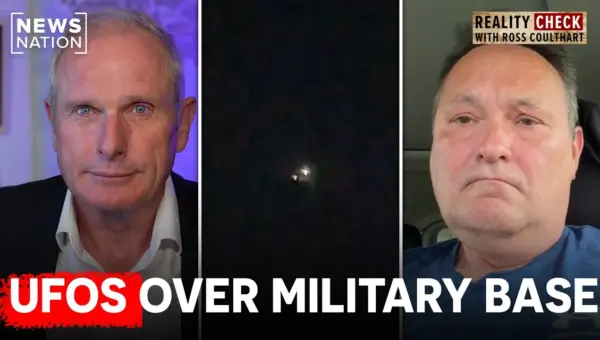
Ex-Air Force Chief Saw Unexplained Objects Over Nuclear Base
Former Air Force Master Sergeant Ronald Bilac reports seeing unexplained, high-speed objects over Barksdale Air Force Base, a site believed to house nuclear weapons. His testimony challenges official explanations and raises serious national security questions. The government's continued lack of transparency fuels public demand for answers about what is happening in our skies.
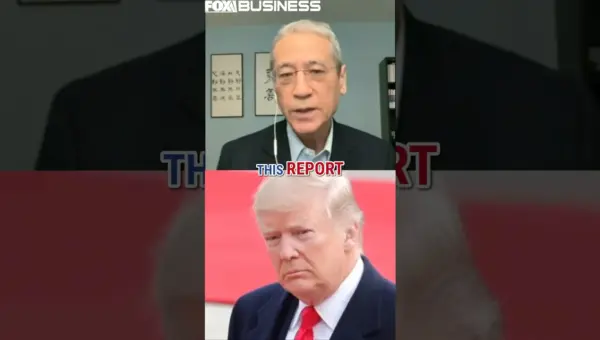
China Aids Iran, Fuels Geopolitical Tensions
China's alleged provision of targeting satellite data and advanced weaponry to Iran has significantly heightened geopolitical tensions. This support includes enabling Iran to operate a Chinese satellite and supplying supersonic missiles, placing China on an opposing side to U.S. interests.